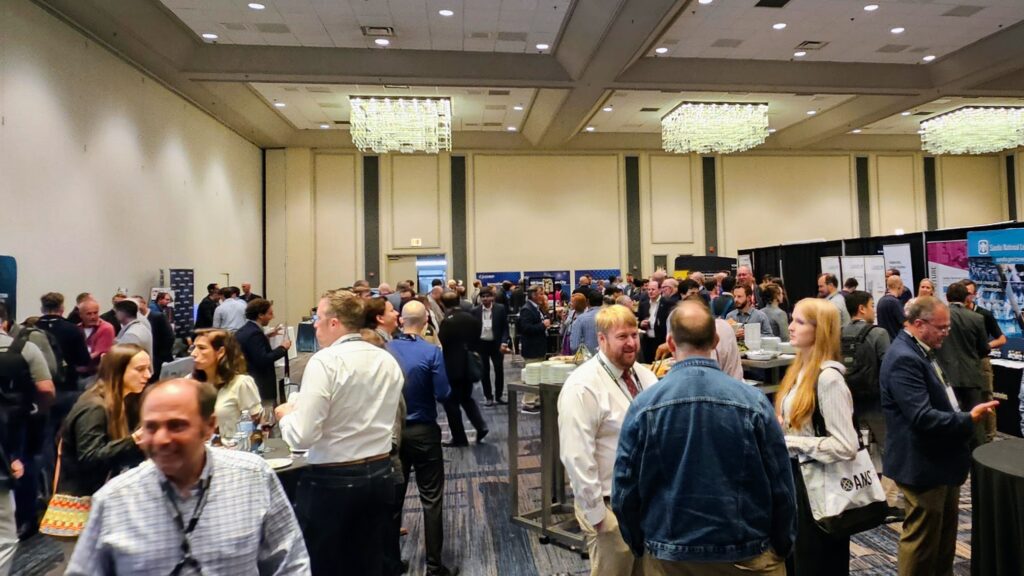
Cerberus Nuclear recently sent Tom, Nathan and Thomas to Space-Comm Expo Europe in London at the start of March. Debuting the Materials in Orbital Radiation Environments (MORED) tool, which is now available on our website, we also had the chance to talk radiation protection and simulation with a whole host of attending companies.
This was our first space sector conference with a stand, and we were blown away by just how busy we found ourselves. Turns out there is quite a bit of radiation in space!
We ended up having talks with universities and education programmes about how MORED could be used to improve student’s understanding of radiation impacts and a whole host of in-depth discussions on the modelling of electronic components, sub-assemblies, and even whole satellites in radiation environments.
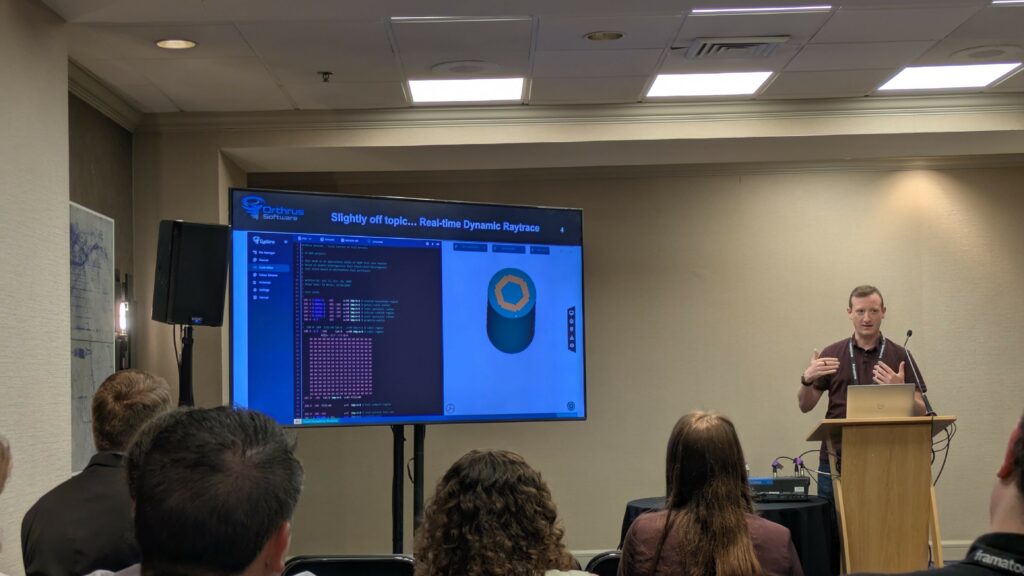
On the second day of the conference, Thomas spoke at the UK Space Cluster Network’s SME Innovation Showcase, alongside 4 other companies who had been awarded funding via the UK Space Agency’s Space Ecosystem Commercialisation Programme (SECP). MORED was received warmly and we look forward to building our relationship with our local space cluster and the wider UK Space ecosystem.
It was also a pleasure to hear how other companies had made use of the SECP funding and there were even some talks about how we could support each other in future endeavours.
Cerberus Nuclear is now discussing how we can support several prospective client’s radiation related needs and putting together longer-term plans to increase what we can offer the space sector in terms of radiation modelling.
What Riding in a Waymo Made Me Think About Trust and AI
After coming back from WM2026 in Phoenix, AZ, I found myself reflecting on something slightly unexpected from the trip.
John and I had a good week collaborating with Lucideon and presenting our Gamma-Crete™ work, which led to some useful discussions around shielding performance in radiation transport and the potential for more efficient packaging approaches.
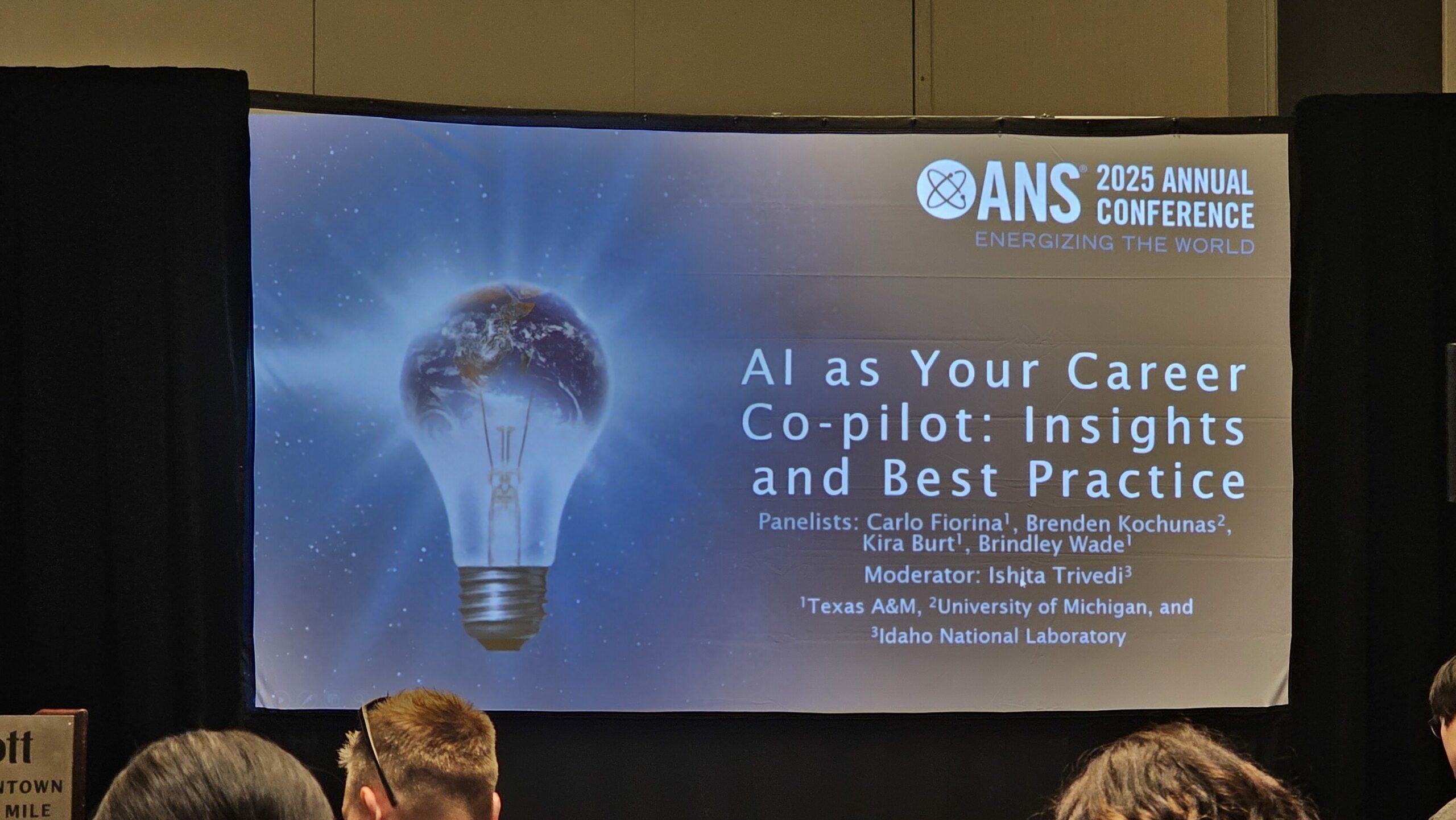
Alongside that, we also used the time away to continue developing Cyclone Sage, the AI assistant we are building for Cyclone at Orthrus Software. So by the time we were heading home, I was already thinking quite hard about AI systems, how people respond to them, and what sort of trust we should be asking of them.
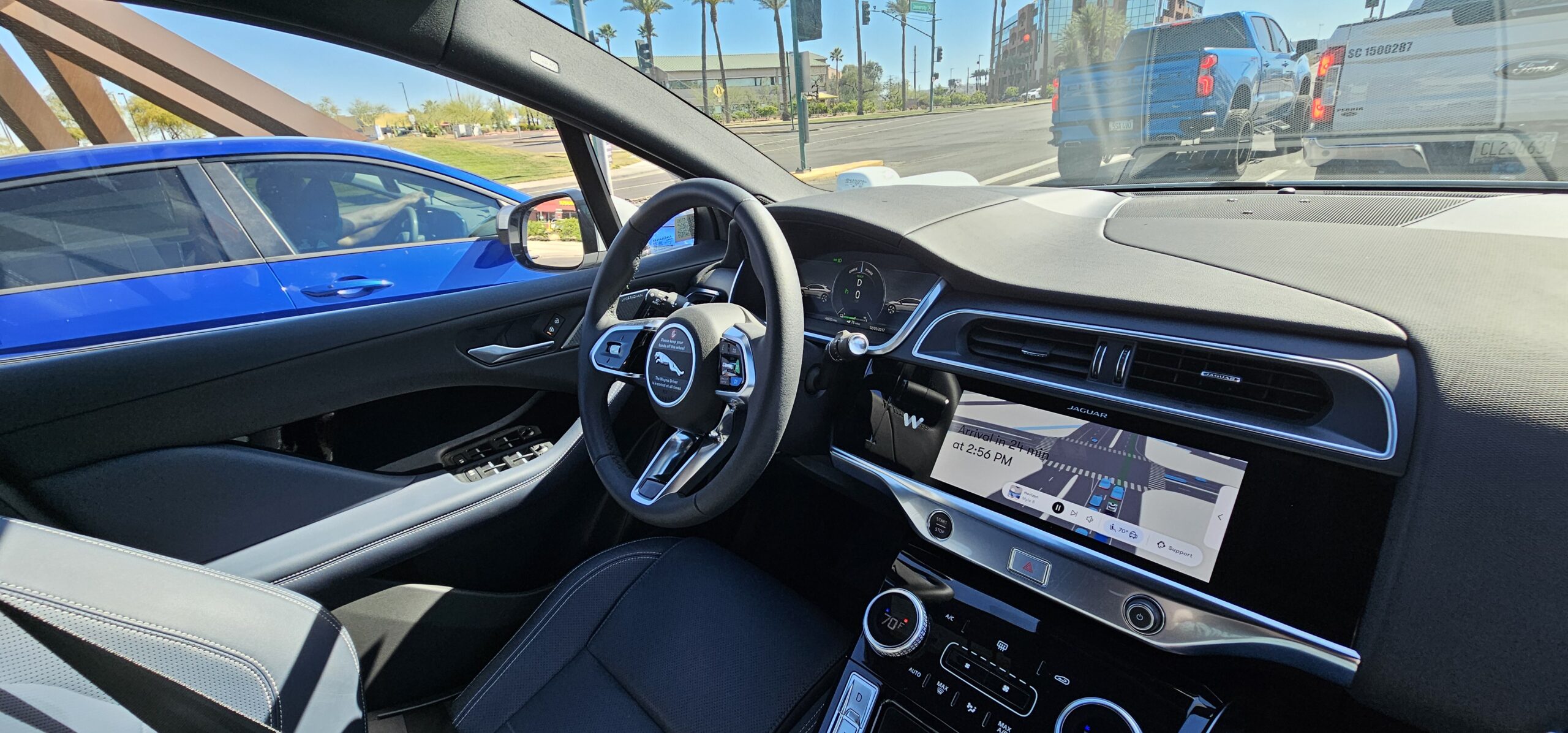
While we were in Phoenix, we used a Waymo. As it was John’s first time in one, he got the full “wow” factor straight from the airport. That reaction is easy to understand. Sitting in a car with no driver still feels rather strange for the first few minutes. The steering wheel moves, the vehicle slows for traffic, people cross the road ahead, and some part of you still expects to see someone in the front taking control. But what struck me was how quickly that feeling wore off. The ride became normal far quicker than you might expect.
That was probably why my mind drifted back to an earlier Waymo trip I had in Austin during the ANS NCSD conference. What stayed with me from both experiences was the system behaviour rather than the novelty. The vehicles were cautious in a very deliberate way. If it wasn't sure whether someone was about to cross the road, it would come to a full stop rather than force the judgement. You quickly realise that the system is operating with a different logic to a confident human driver. From a safety point of view, that caution makes complete sense, even if it does not always feel natural in the way human driving often does.
There is obviously lots of rigorous testing, measurement, and assurance that is required to get to this point, but it does highlight that this alone is not what people ultimately respond to. Trust is shaped just as much by how a system behaves in context as by how it is validated on paper.
What was just as interesting was the way people around them reacted. In Austin, at our hotel, the concierge tried to shoo one away as it pulled in, despite the fact that it had positioned itself perfectly to pick us up. That moment stuck with me because it showed that the question is not only whether the vehicle can do the job, but how people feel about it doing the job. A system may be operating properly, but that does not always mean people welcome it. In fact, some of the locals did not seem to like them at all. So the trust issue is not only technical, it is fundamentally social as well.
Trust, Behaviour and People's reactions
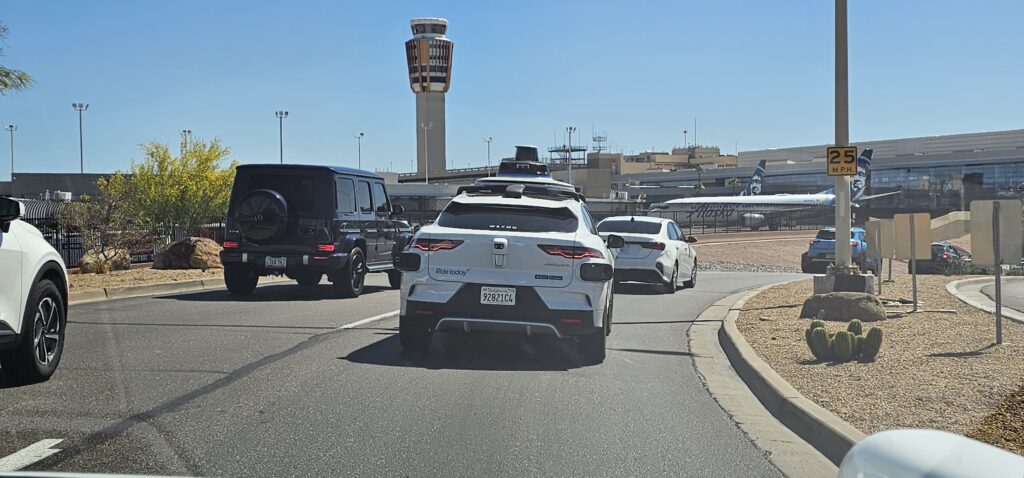
At the airport pick-up and drop-off in Phoenix it was very busy. Human drivers were everywhere, Waymos moved through the same space, and there was the usual airport chaos where nobody hangs around and everyone is in their own world. However, John and I both noticed that Waymos still behaved in a very algorithmic way. You could see they were making predictions about what other cars were doing, but their predictions were not human in the way an experienced taxi driver’s instincts are. There were moments when I found it was easier read the behaviour of other drivers than the system.
At the same time, our Waymo handled the situation very well. It had clear 360-degree spatial awareness, and you could see that it knew exactly where it could and couldn't fit. So although its judgement did not feel human, and although its behaviour was still recognisably algorithmic, it was still very effective. That, to me, is much more interesting than simply saying the technology is impressive. Comparing Waymo trips in Austin and Phoenix, its also clear the technology is improving, but it is improving in its own way rather than by becoming more like a "human driver".
This highlights an important point, human beings are far more complex than these systems. A good taxi driver can read tone, body language, local driving habits and all sorts of context while simultaneously having a conversation with a passenger. In many situations, a good human driver is still much better at judging what is really going on. But human beings can also be distractible, inconsistent, tired, impatient, and sometimes wrong, which is when accidents can happen. The more useful design question is what kind of trust an autonomous system should earn, and on what basis?
In Waymo’s case, trust works a little different from many other AI systems because the vehicle is not just advising you. It is acting in the world on your behalf, and everyone around it has to respond to that behaviour in real time. What people react to is not the underlying model or training data, but how the car behaves. Does it feel safe, predictable, and cautious? In other words, the challenge is not just making the system capable, but making it trustworthy.
Waymo driving off on its way to pick up another passenger
Why it made me think about Cyclone Sage
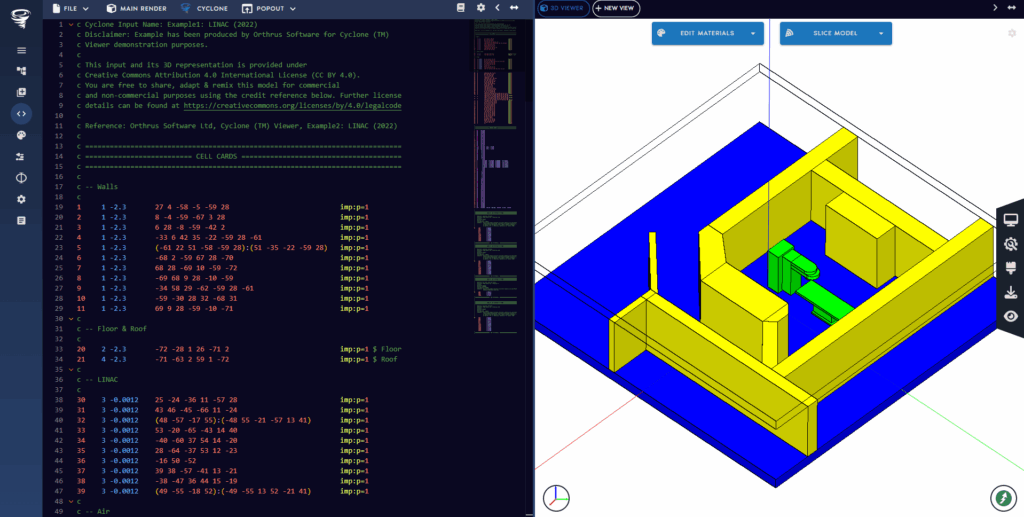
That is what brought me back to Cyclone Sage. Waymo and Sage clearly do very different things. One is an autonomous system operating in the physical world, while the other is an AI assistant intended to support engineers working with MCNP. The domains are very different, and in some ways the challenge for Sage is even less tidy because an MCNP input is highly complex and open-ended. Its not a bounded control problem involving simple inputs, i.e., steering, braking, acceleration, and indicators.
Despite the obvious differences, I have found myself thinking about a related design issue, which is how you build a system for humans to use and trust without encouraging the wrong kind of trust. In the world of radiation shielding and criticality, trust matters enormously because the consequences of getting things wrong can be significant. That does not mean Sage is like an autonomous vehicle, but it does mean the mindset around safety, visibility, and responsibility has to be taken seriously.
This mindset has shaped how we are developing Cyclone Sage. The aim is not to hide complexity or replace engineering judgement with something that sounds fluent. It is to support the workflow in a way that gives engineers more time to make the right decisions. MCNP model building and QA can be slow and cognitively heavy. Input decks are text-based and fragile, and small errors in geometry, materials, sources or physics settings can have significant consequences. In practice, engineers often work from previous inputs, inherit assumptions, and spend a lot of effort in checking.
Cyclone Sage is currently being designed and built with that balance in mind, keeping human oversight firmly in view. We have not hidden the syntax from the user, and we are not treating the system as a black box. The design is built around guided authoring, visible outputs, constrained generation, and traceability, with the user remaining firmly in control rather than the system quietly taking over.
That is also why I do not see AI as a means of removing the engineer from the process. Instead, it creates space to explore broader design options, reduces set-up burden, and allows more focus on the judgements that matter. Used properly, this leads to better decisions, more efficient workflows, lower cost, and safer outcomes. However, this ultimately depends on establishing trust in the system from the outset.
So that is what riding in a Waymo brought back to me after WM2026. What became clear is that a shared design challenge is emerging across very different fields. As systems become more capable, the important question shifts away from whether they can do something impressive. It becomes about how they fit around human judgement, how they behave when the world gets messy, and what sort of trust they are really asking people to place in them.
For me, that is a far more useful way to think about AI in engineering. The goal should not be blind faith in capable systems, it should be systems that earn trust in the right way, while leaving responsibility, visibility, and judgement exactly where they should be.
If you have thoughts on this or would like to continue the conversation, feel free to get in touch.
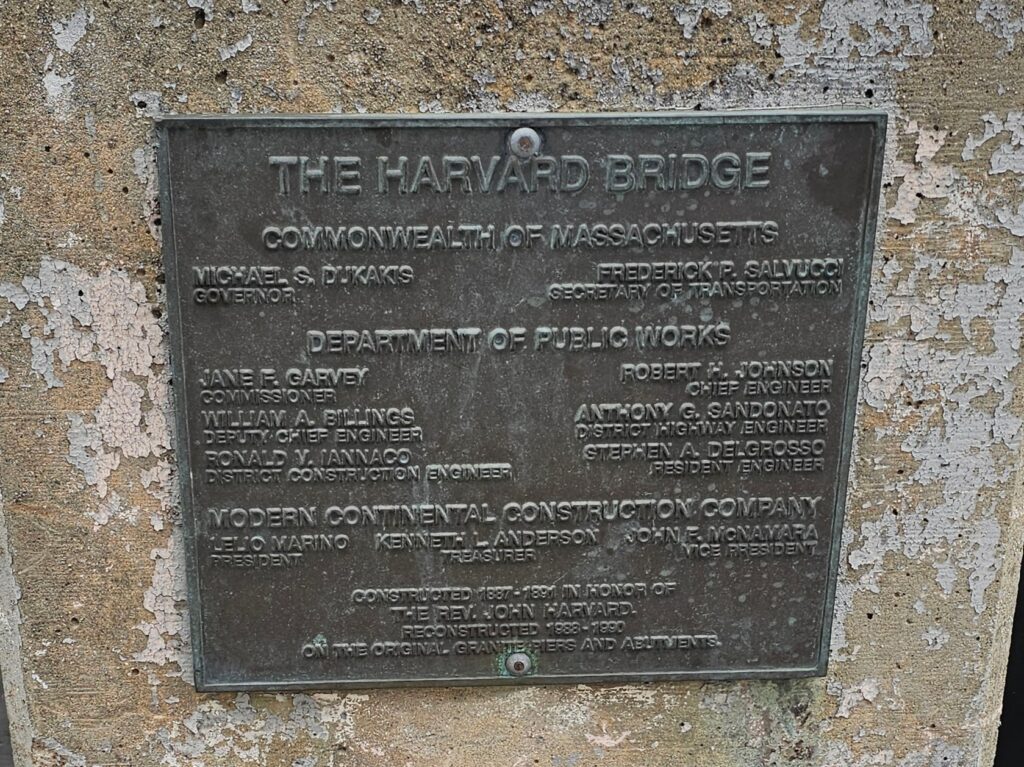
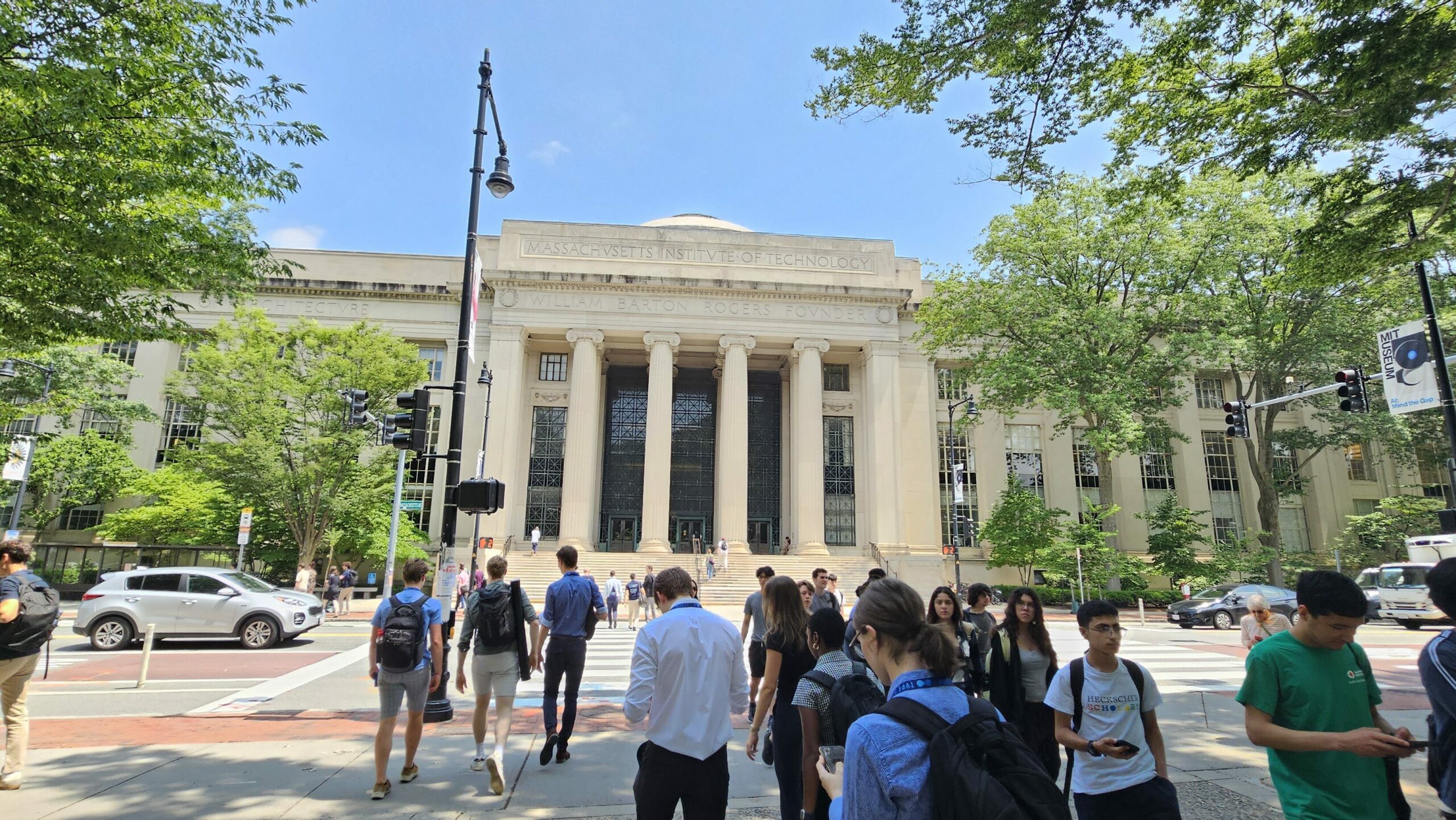
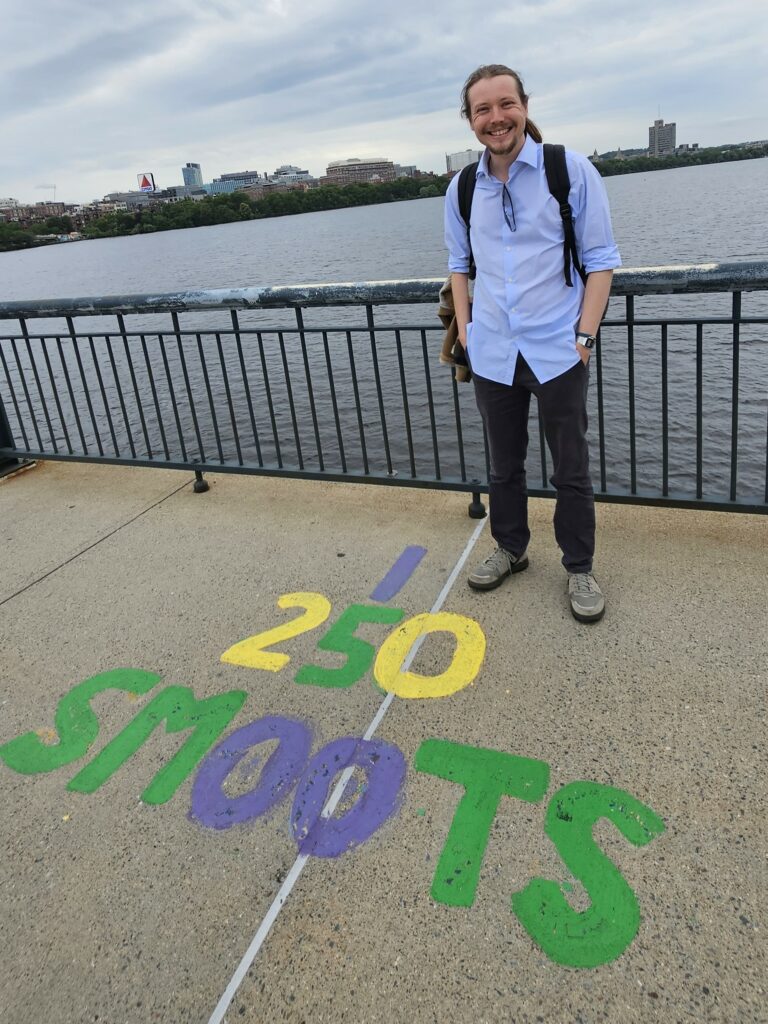
“What on earth is a Smoot?” was the question John and I found ourselves pondering in Boston, standing on Harvard bridge on our way to MIT.
This unit of measure became the perfect metaphor for the distance travelled on our epic journey across America promoting Cyclone Sage - our new AI assistant integrated into Cyclone (Orthrus Software) designed to support nuclear engineering and fusion workflows. It was a trip full of amazing experiences, with some serious science folded in too.
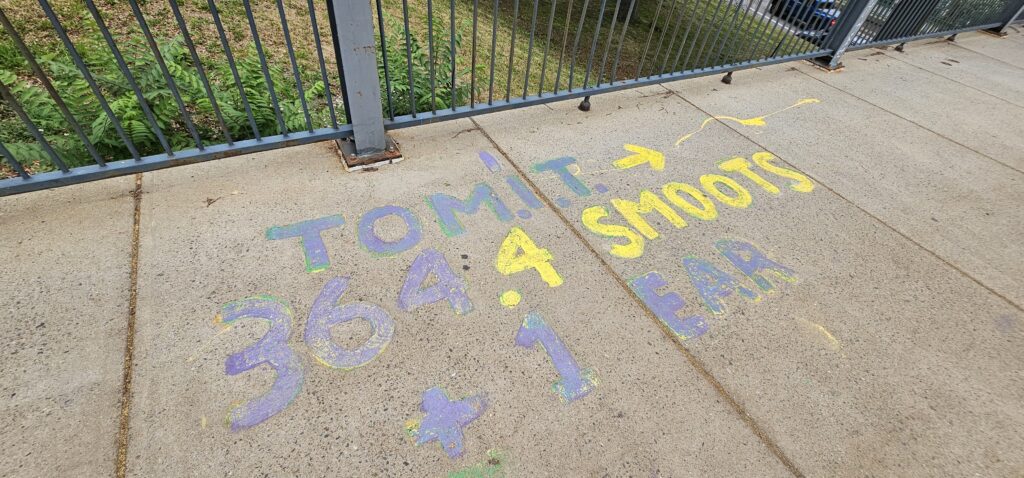
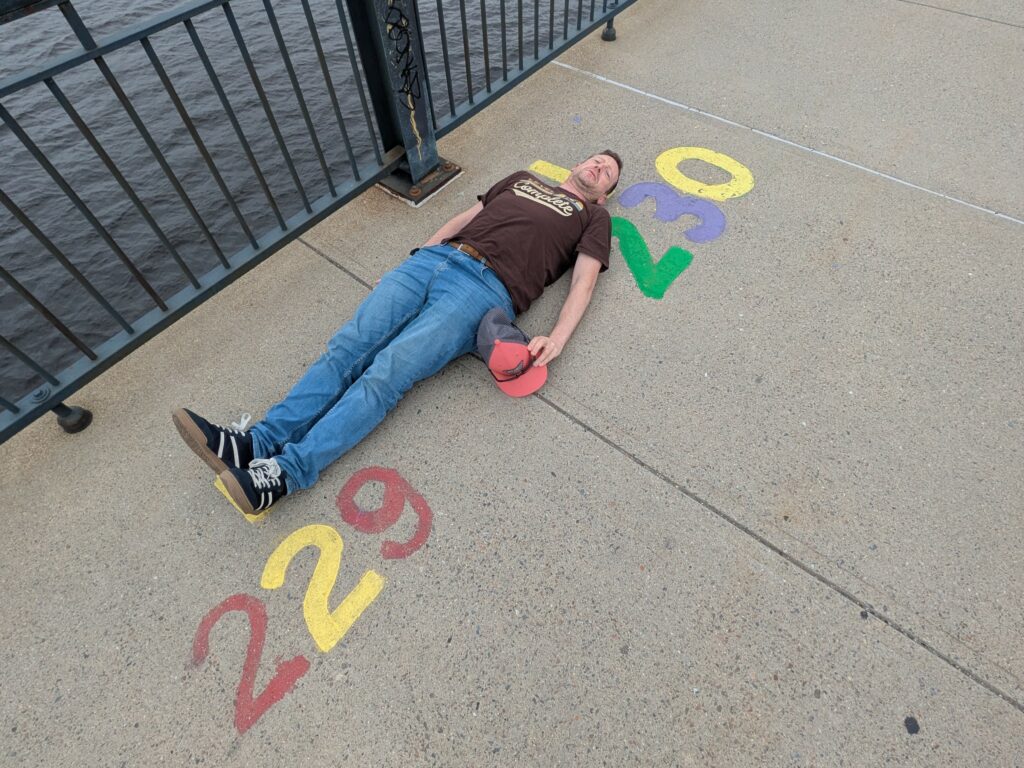
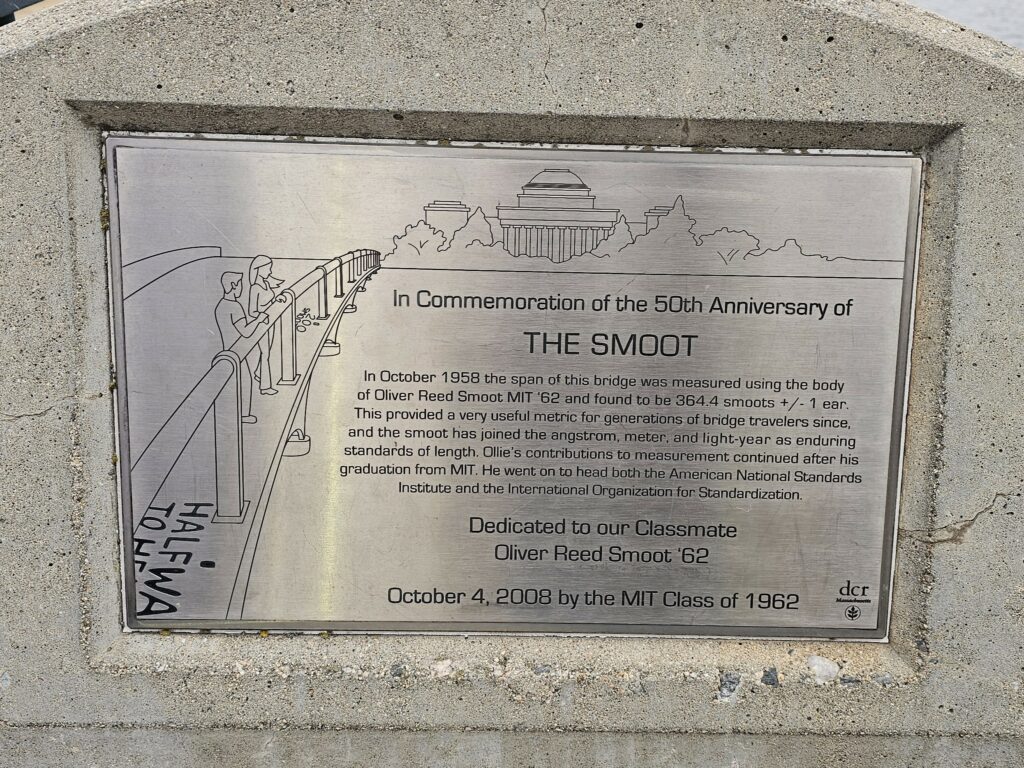
One Smoot, as it turns out, is precisely the length of MIT student Oliver Smoot (5 ft 7 inches), who repeatedly lay down end-to-end across the Harvard Bridge in 1958, creating one of academia’s most eccentric units. The bridge is exactly 364.4 Smoots long, plus or minus one ear.
ANS Conference – Cyclone Sage and Deep-Dish Pizza
Distance Travelled: 17.5 miles / 18,480 Smoots (O’Hare Airport to downtown Chicago)
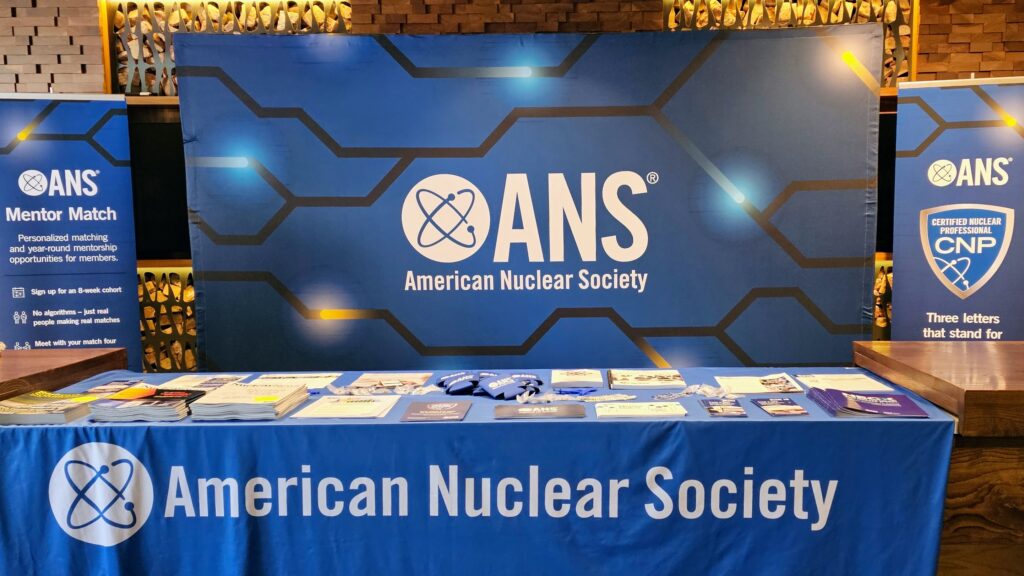
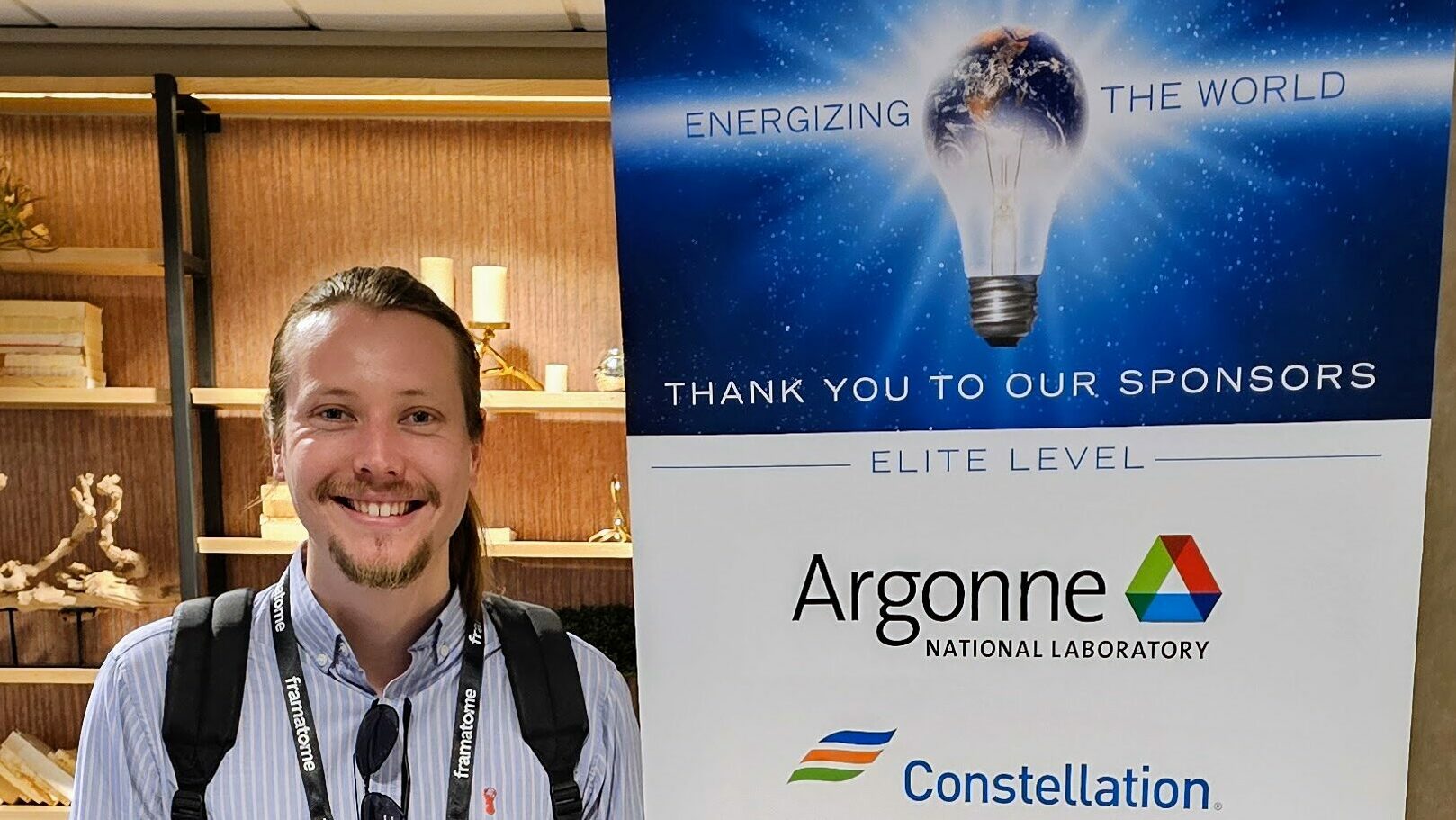
We began our journey in Chicago at the American Nuclear Society (ANS) conference where we caught up with lots of familiar faces. Here, we introduced our AI assistant, Cyclone Sage, designed to streamline the creation of input decks for MCNP. Sage garnered significant interest and thoughtful discussion, and it was great to see enthusiasm for an AI solution carefully tailored to meet the needs of the nuclear sector.
Aside from the conference, Chicago itself was a brilliant city. We marvelled at the city’s skyline, took in views along the iconic Chicago River, and tackled the legendary deep-dish pizza. Let’s just say we hit a delicious but formidable “cheese wall” at Labriola restaurant, a battle both John and I lost.
Argonne National Lab – High Energy Research and Reactor History
Distance Travelled: 24.5 miles / 25,872 Smoots (Chicago to Argonne)
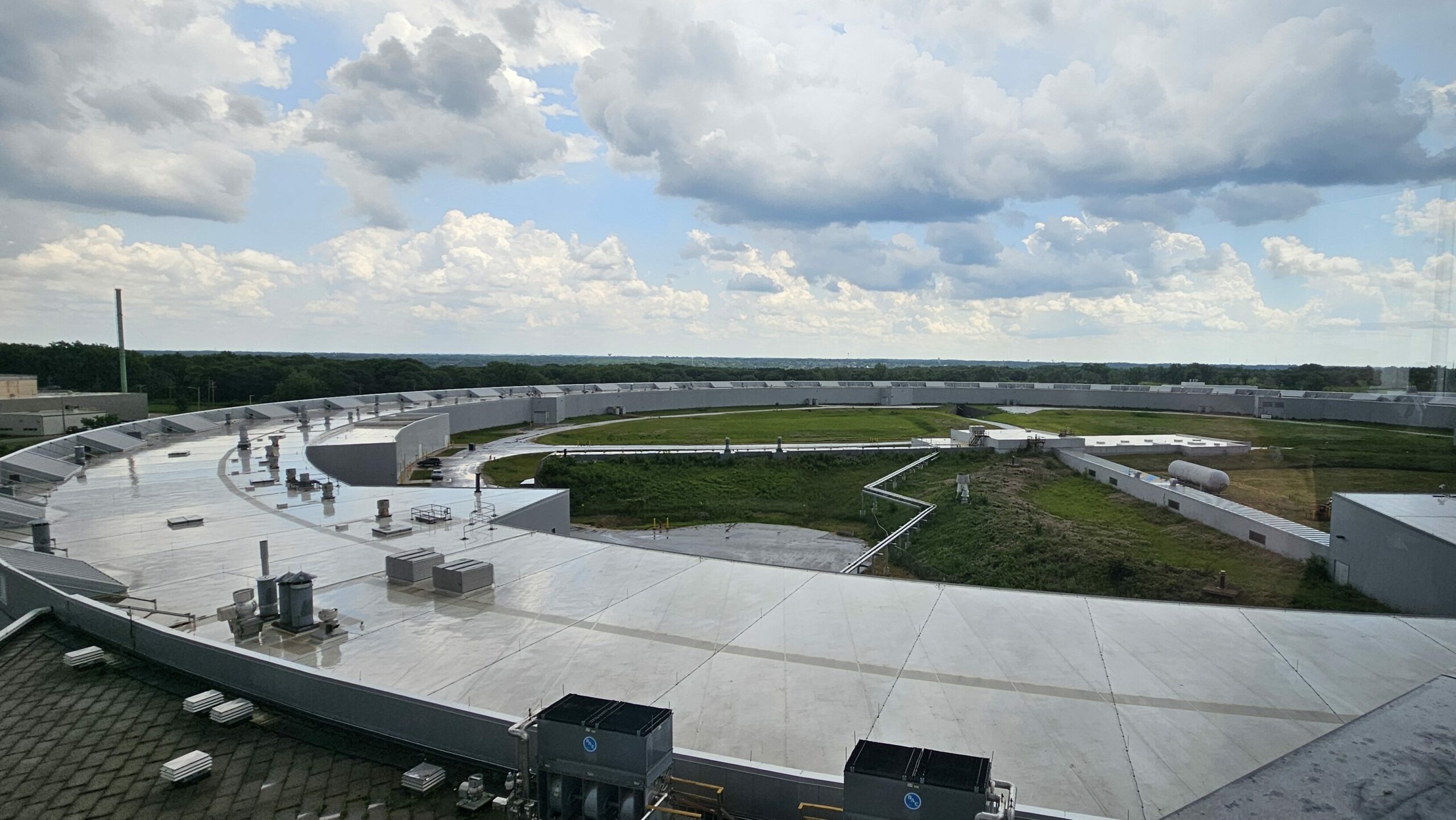
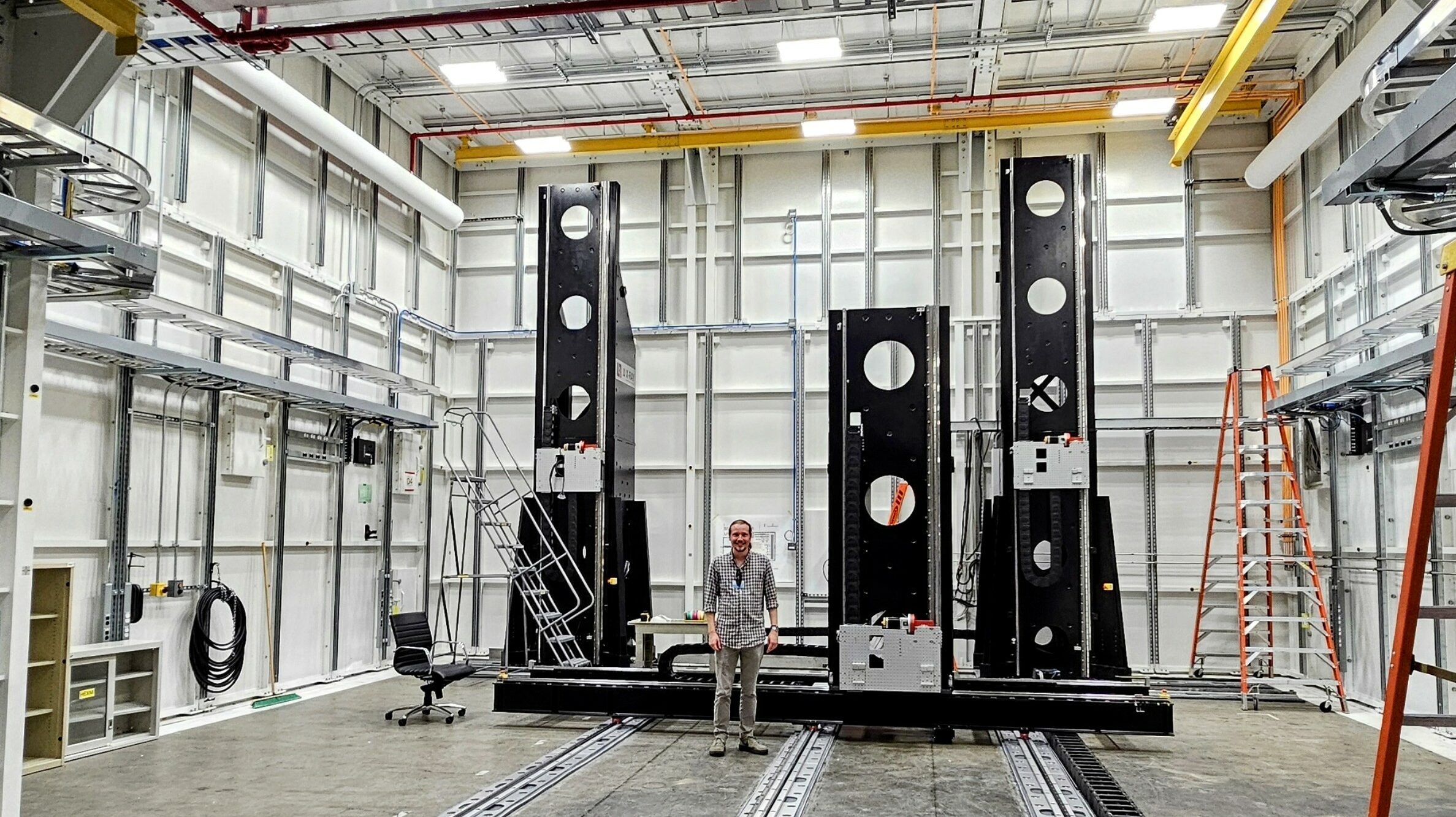
Upon leaving Chicago, we toured Argonne National Laboratory, an epicentre of nuclear history and cutting-edge research. Here, we glimpsed the remarkable Advanced Photon Source - an immense high-energy X-ray facility where researchers worldwide collaborate on groundbreaking science.
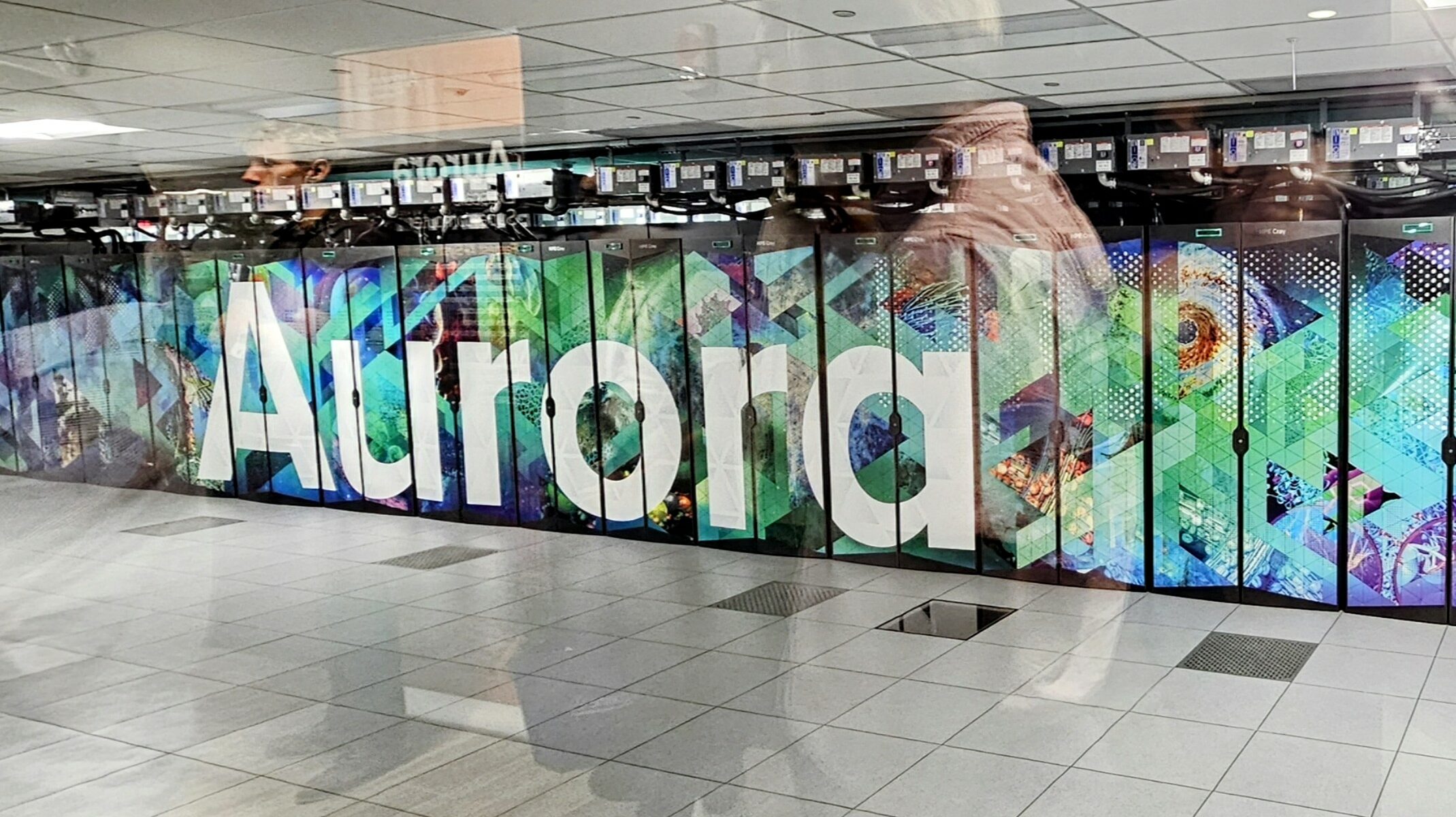
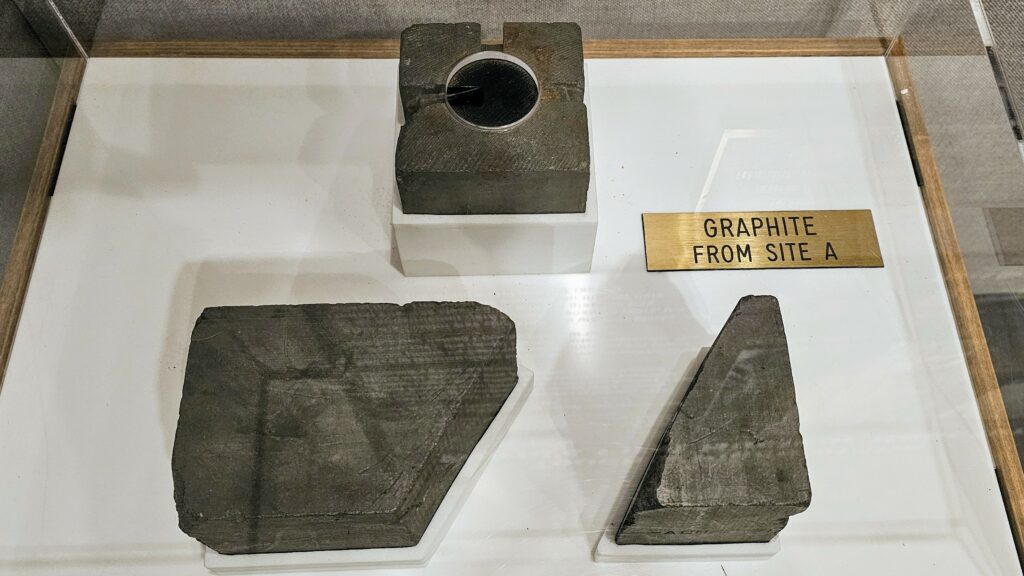
A highlight of the tour was the chance to touch a graphite block from the historic Chicago Pile 1 - the world’s first nuclear reactor. Additionally, we learned a great deal about Argonne’s pioneering work in science, including sodium-cooled reactor technology and exascale computing.
Road Trip Begins – The Open Road
Distance Travelled: 210 miles / 221,760 Smoots (Argonne to Holiday City)
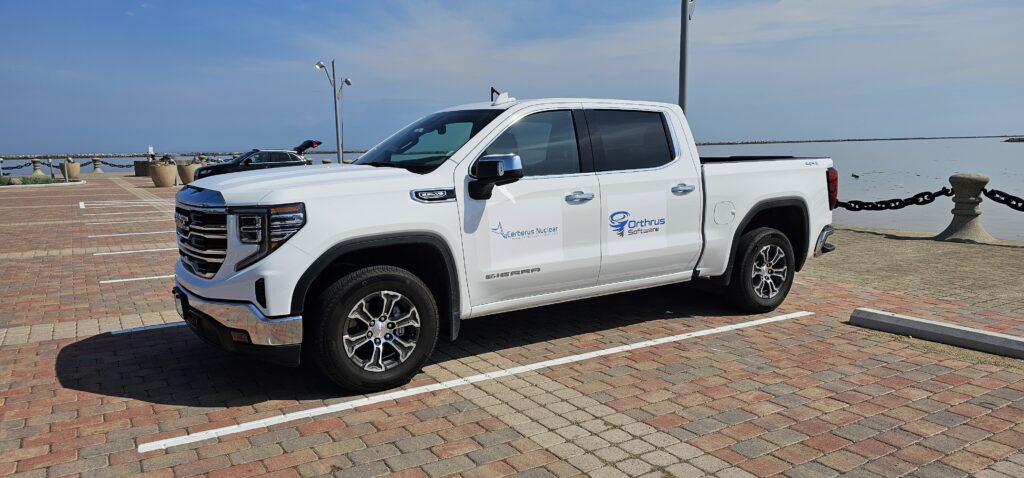
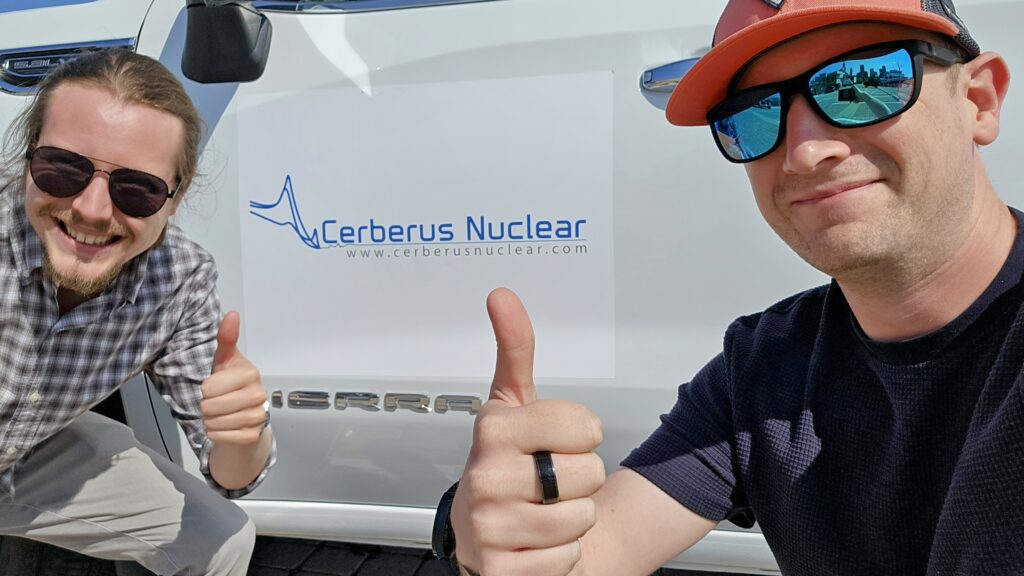
Check out the decals...and always get the damage waiver!
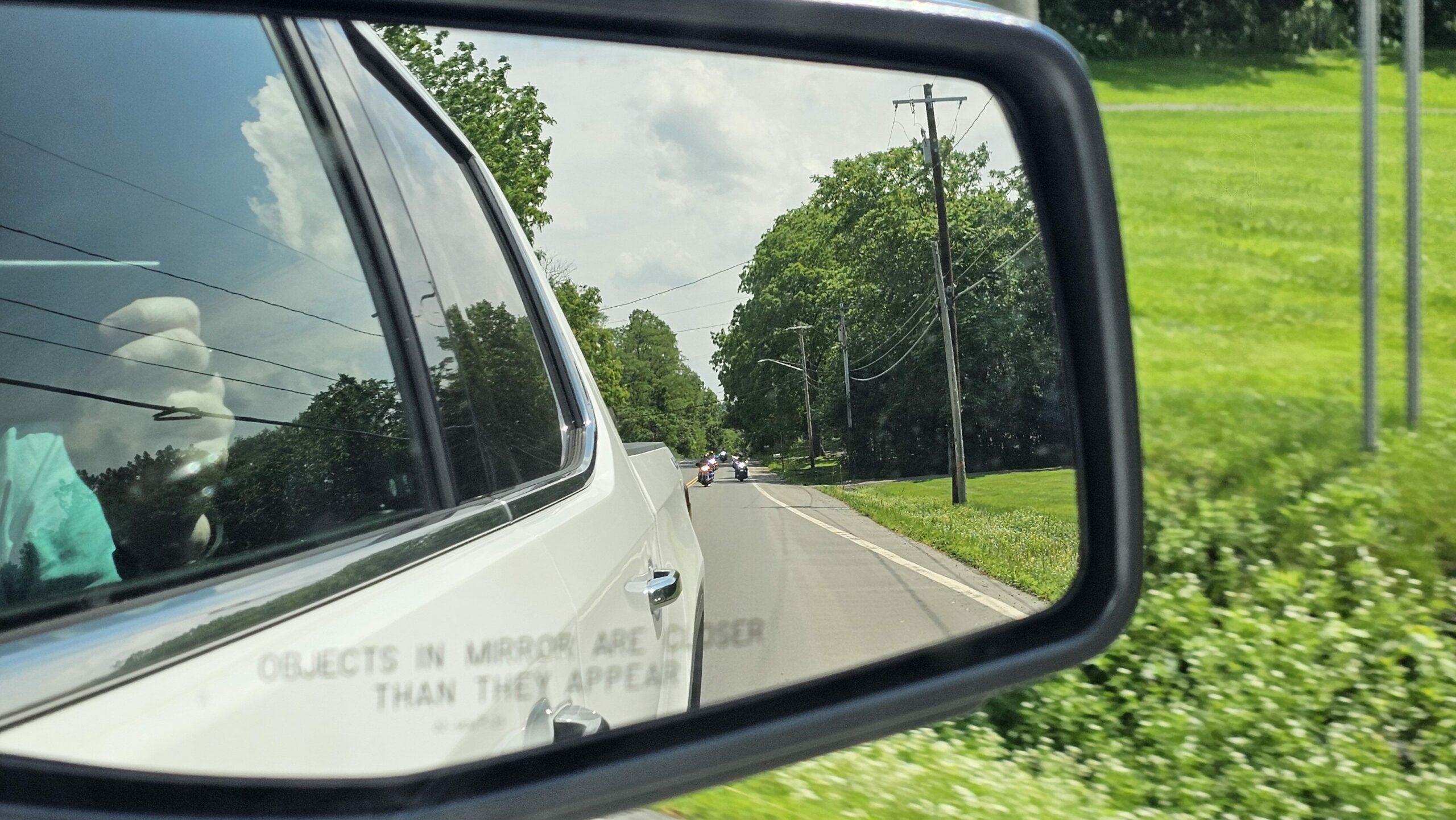
For the next stage of our journey, our trusty GMC Sierra V8 pickup truck carried us eastward on the I90. Despite being absolutely massive, it was surprising easy to drive and powered us comfortably along, towering above almost everything in sight. Arriving late at a rather quirky hotel, we had a brief but memorable pitstop, with our sights set firmly on reaching the stunning spectacle of Niagara Falls the next day.
Cleveland to Niagara – Rock & Roll, Harleys, and brief trip to Canada
Distance Travelled: 359 miles / 379,104 Smoots (Holiday City to Buffalo via Cleveland & Niagara)
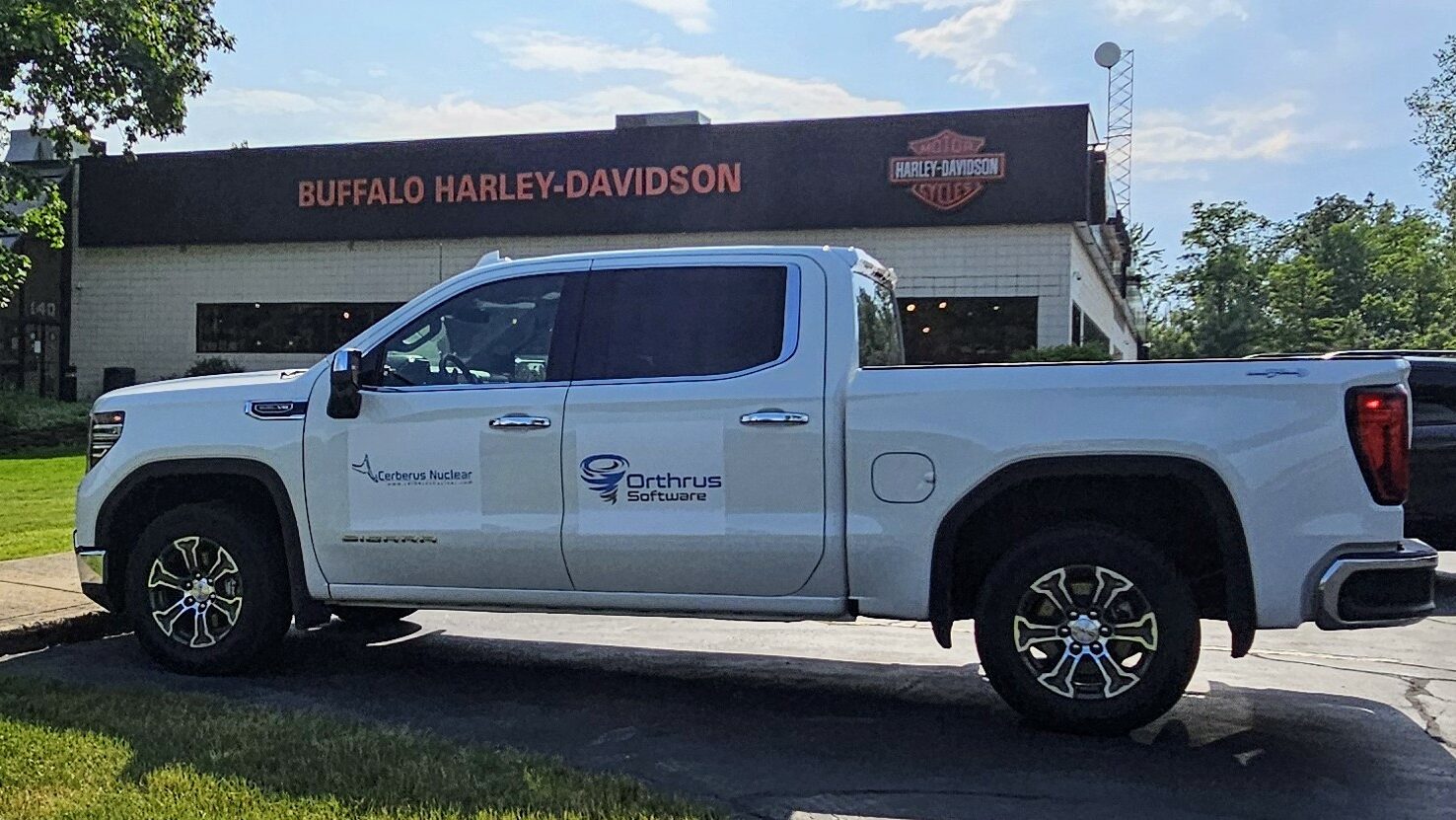
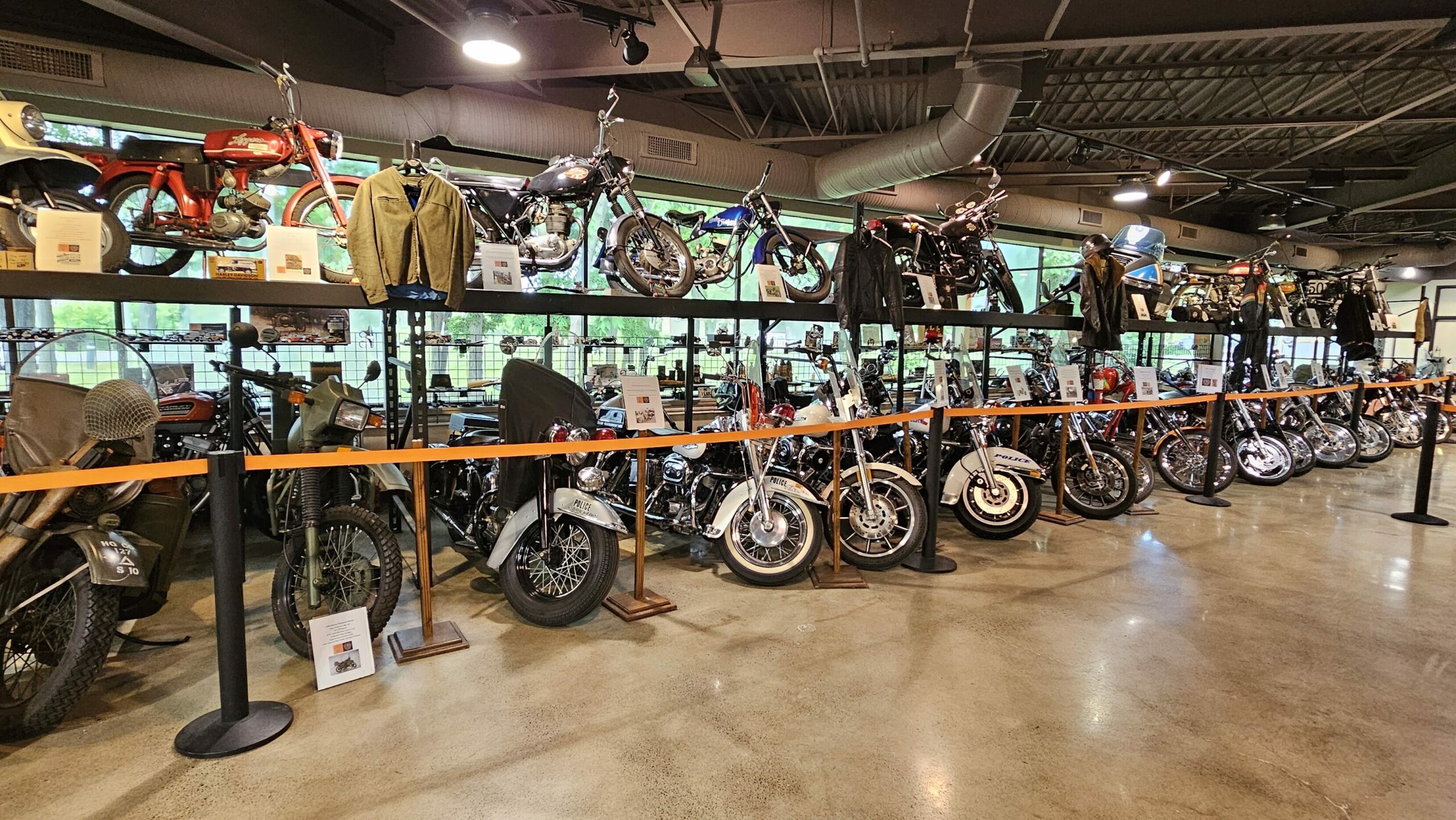
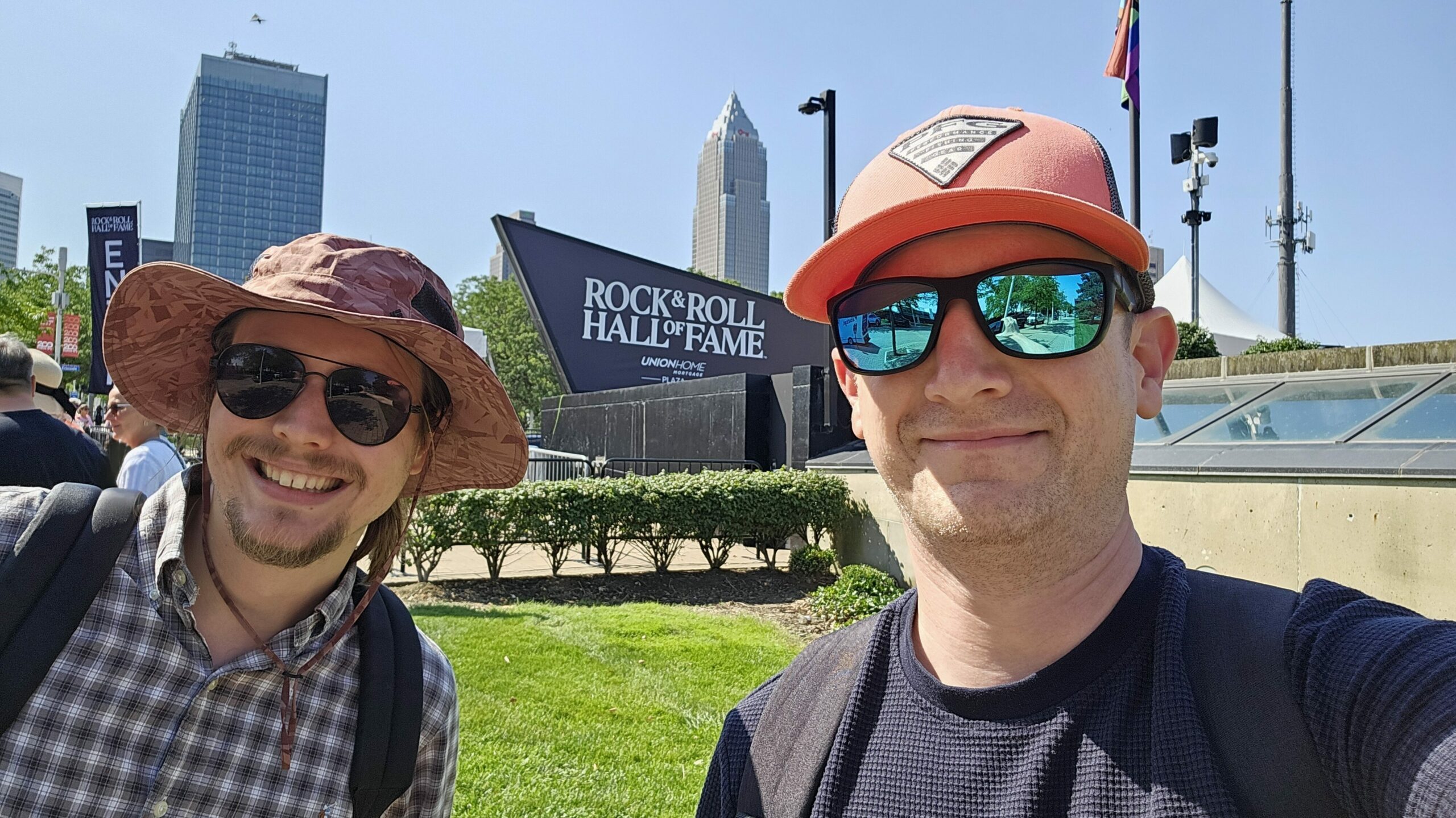
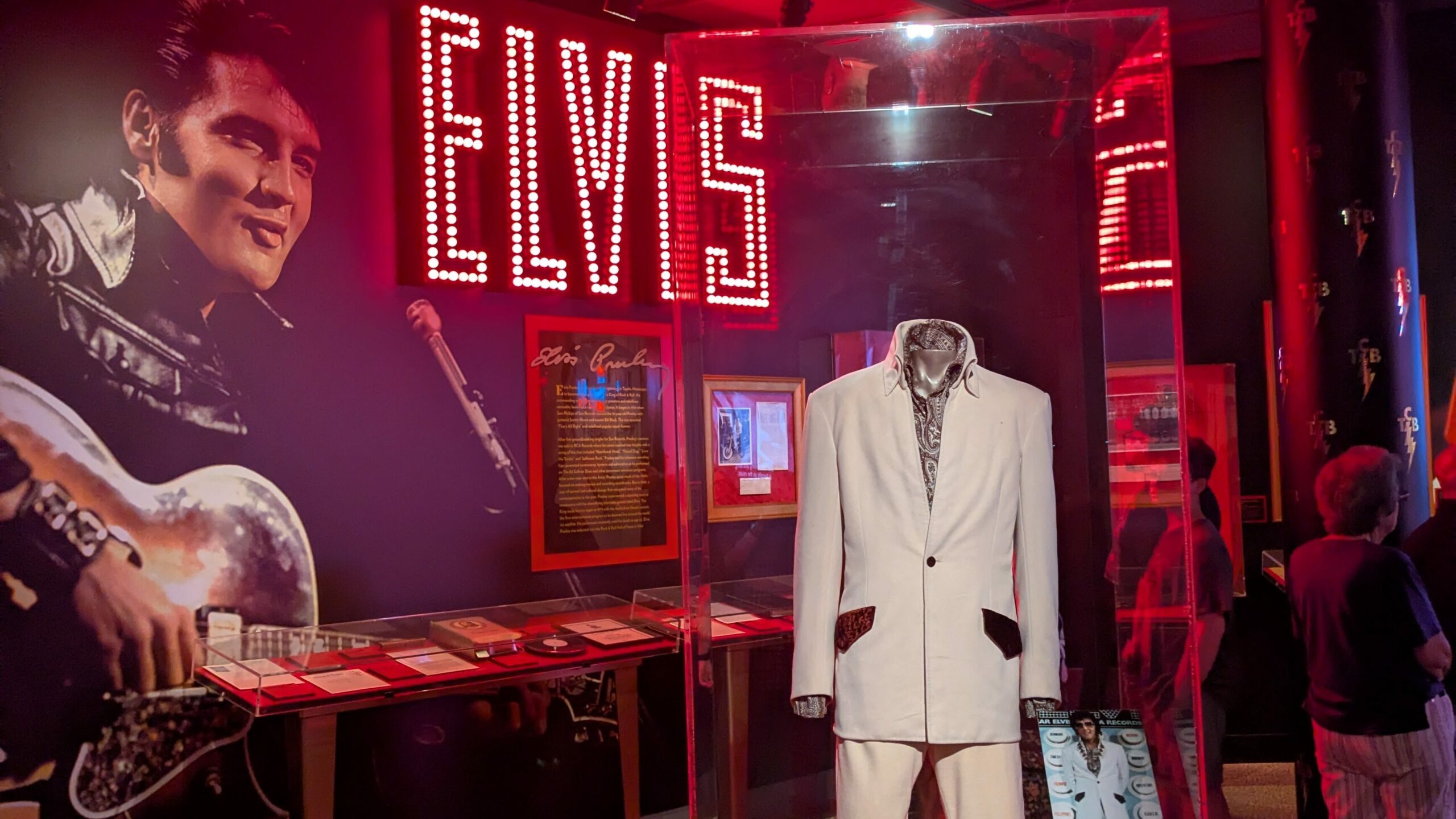
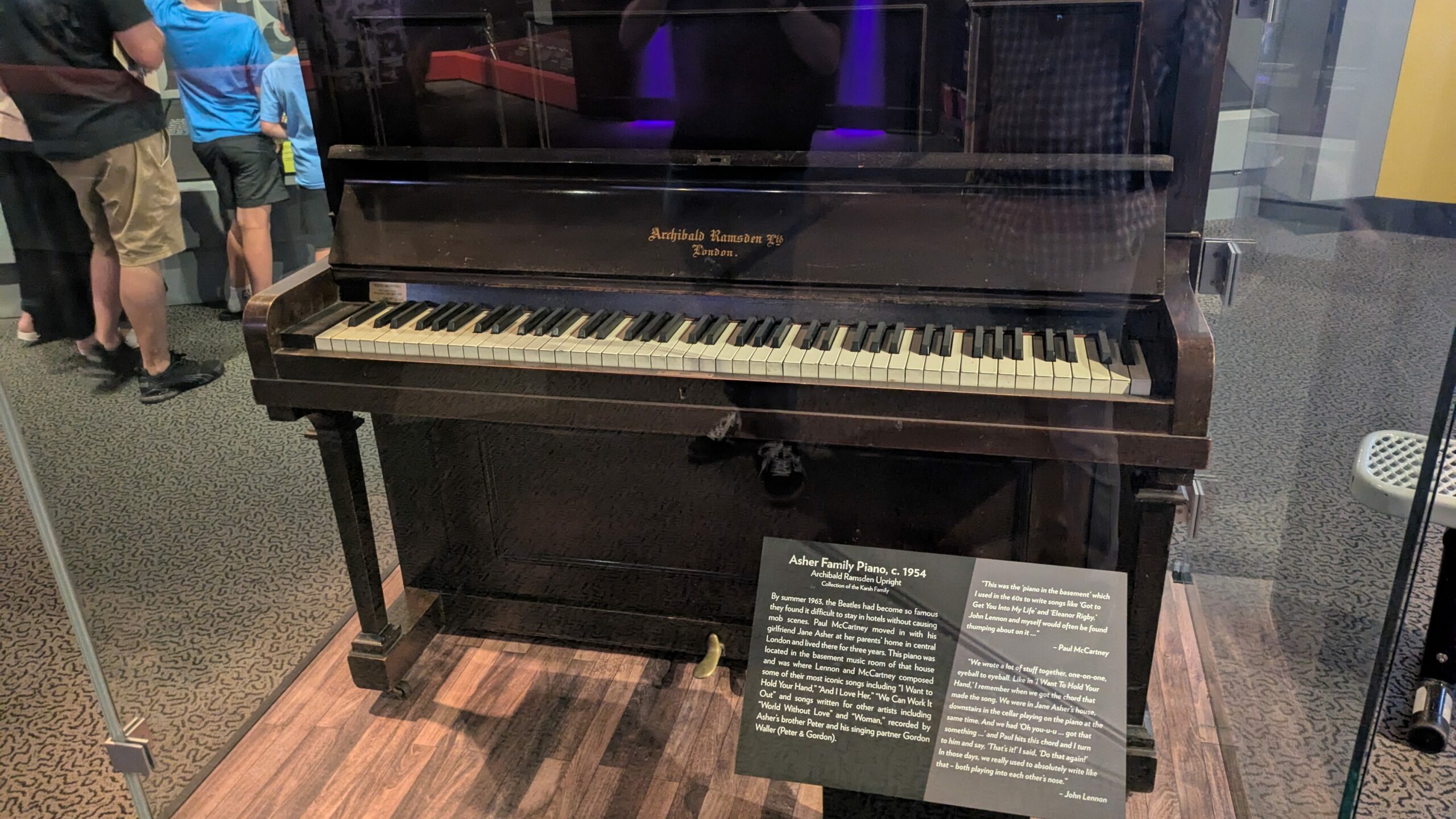
Our next stop brought us to Cleveland’s Rock & Roll Hall of Fame, which pays tribute to iconic bands like The Beatles, The Rolling Stones, and even… Def Leppard. With eardrums still intact, we found a playlist with 100s of hall of fame hits which got us through the many miles of driving. As we continued our journey, we visited a very cool Harley-Davidson dealership, where we had to resist swapping the trusty pickup for two hogs.
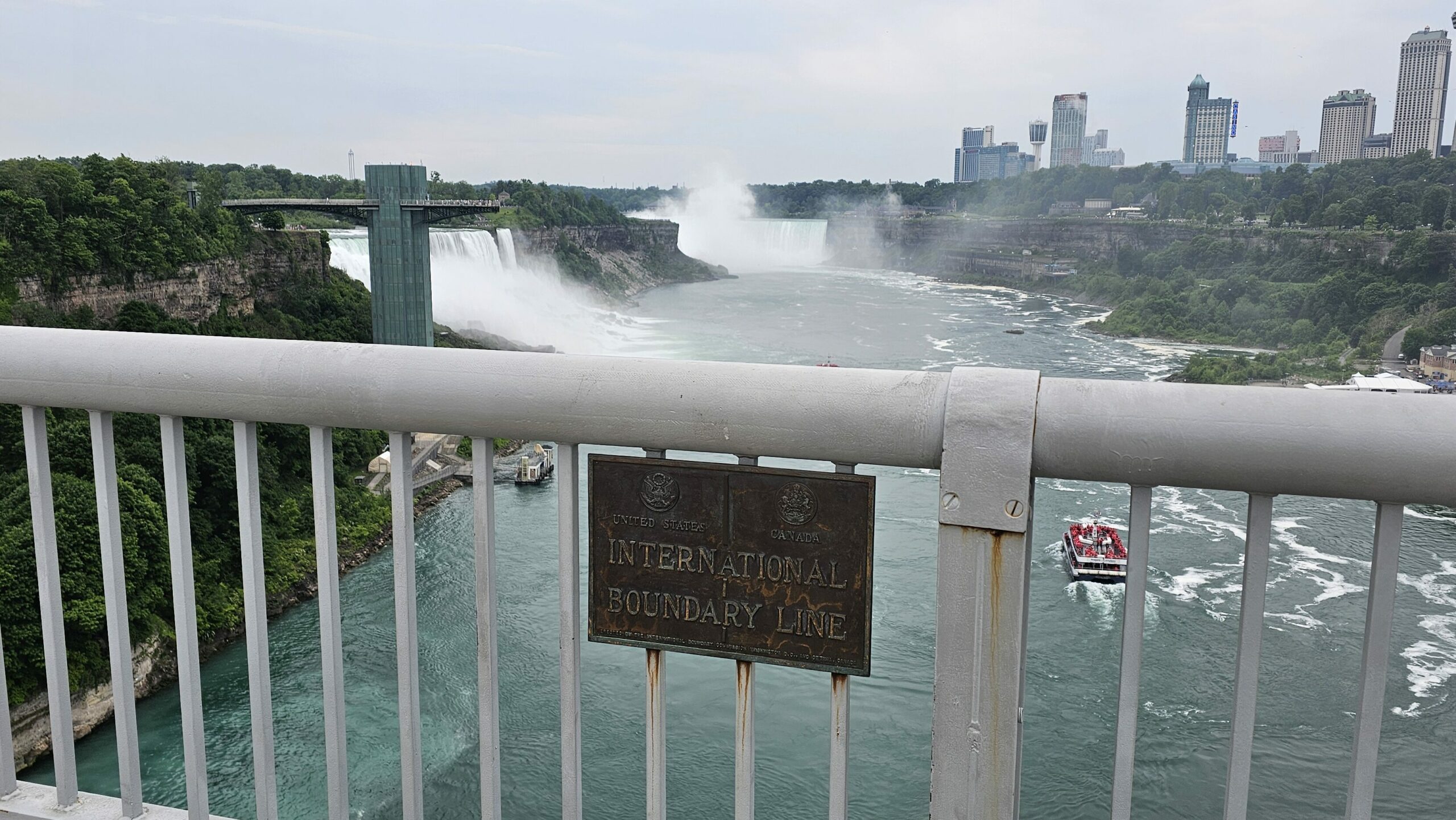
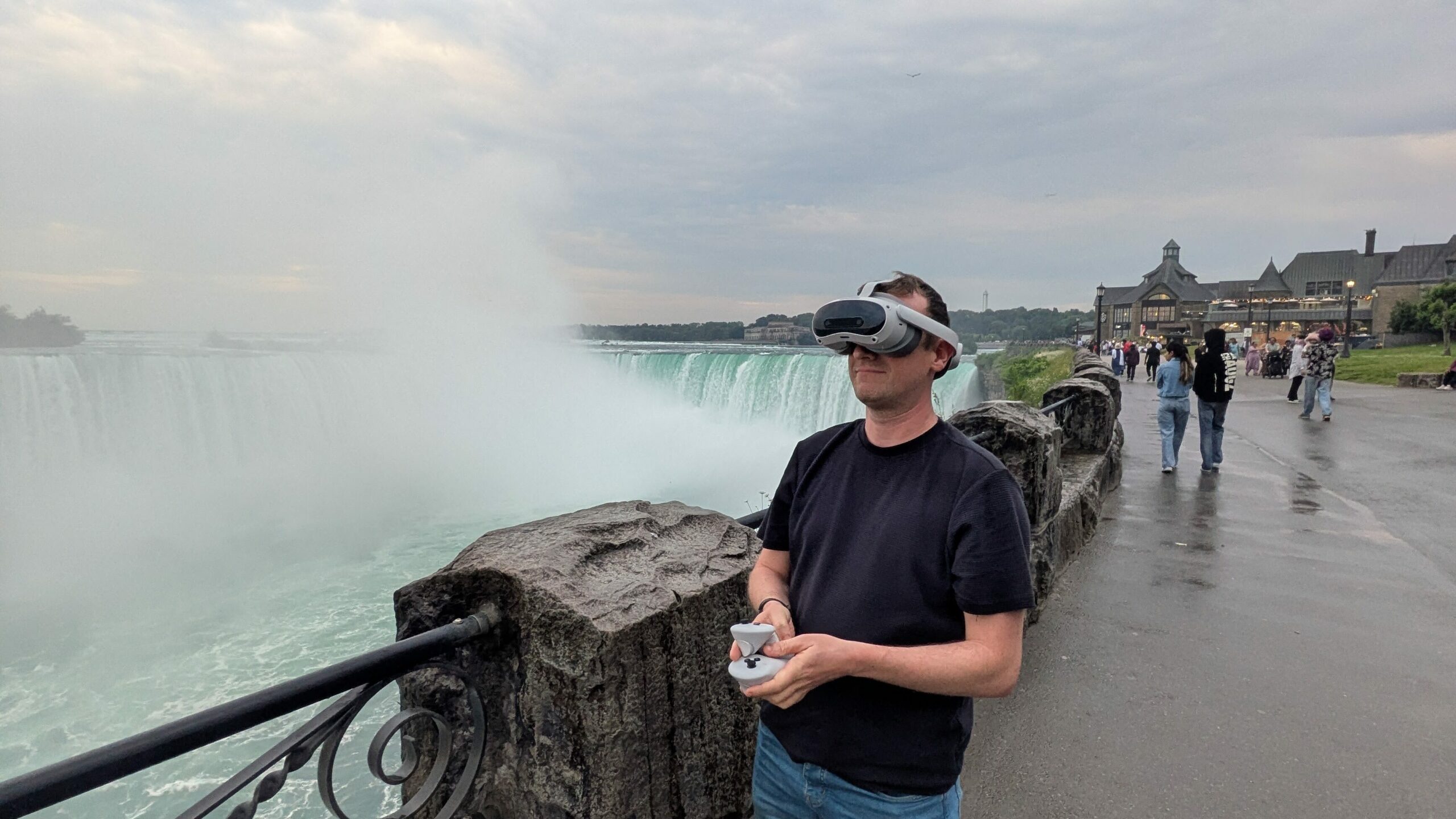
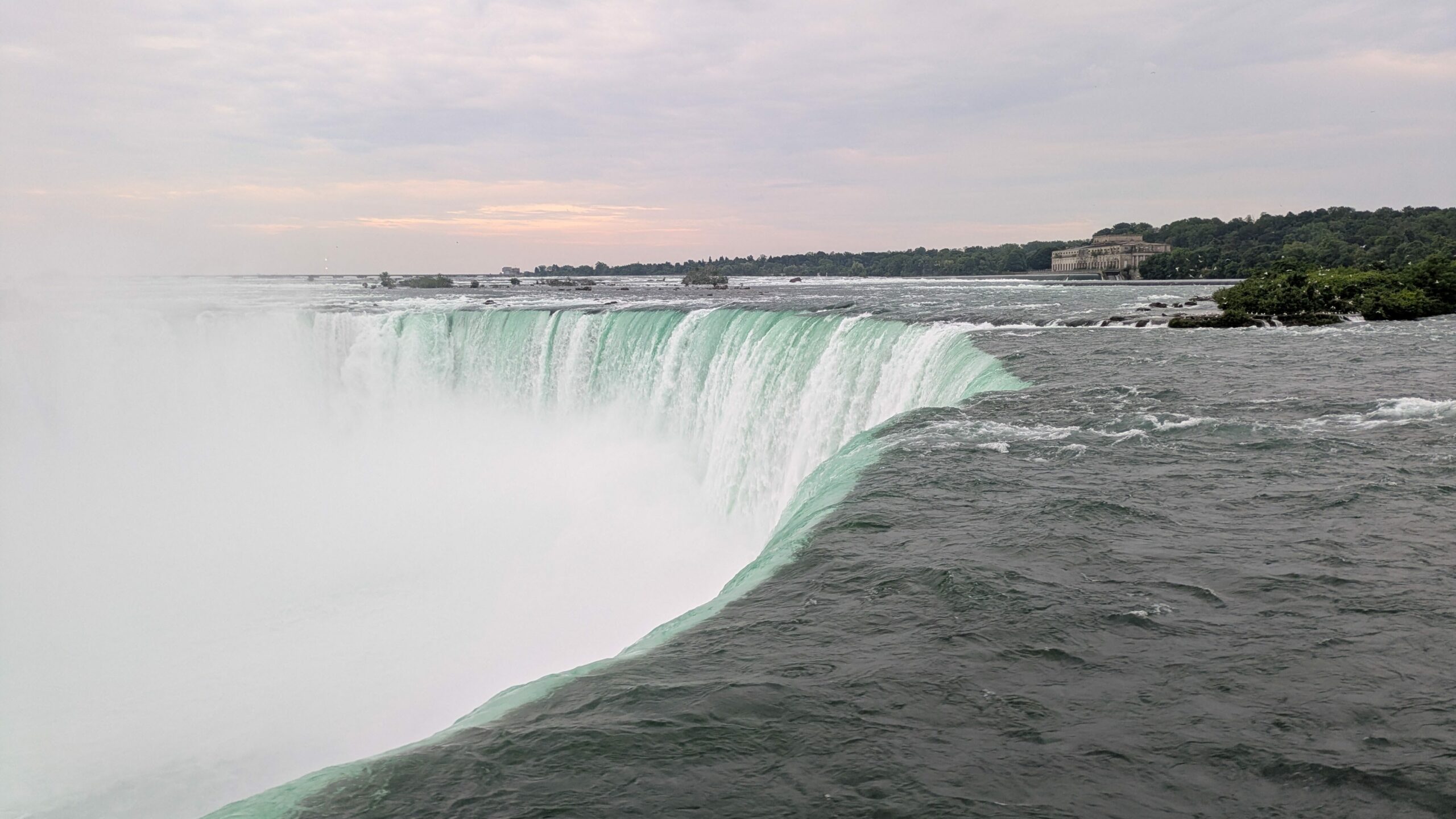
Arriving at Niagara Falls was amazing, especially after hearing enthusiastic reviews from people we’d chatted with at ANS. They suggested we cross the Rainbow Bridge into Canada for the best views, and they weren’t wrong. Fortunately, the border officials let us back into the States after buying quite a lot of maple syrup.
Finger Lakes to Springfield – Nature, Baseball and Some American Culture
Distance Travelled: 240 miles / 253,440 Smoots (Buffalo, NY to Springfield, NY, via Montezuma, Skaneateles, and Cooperstown)
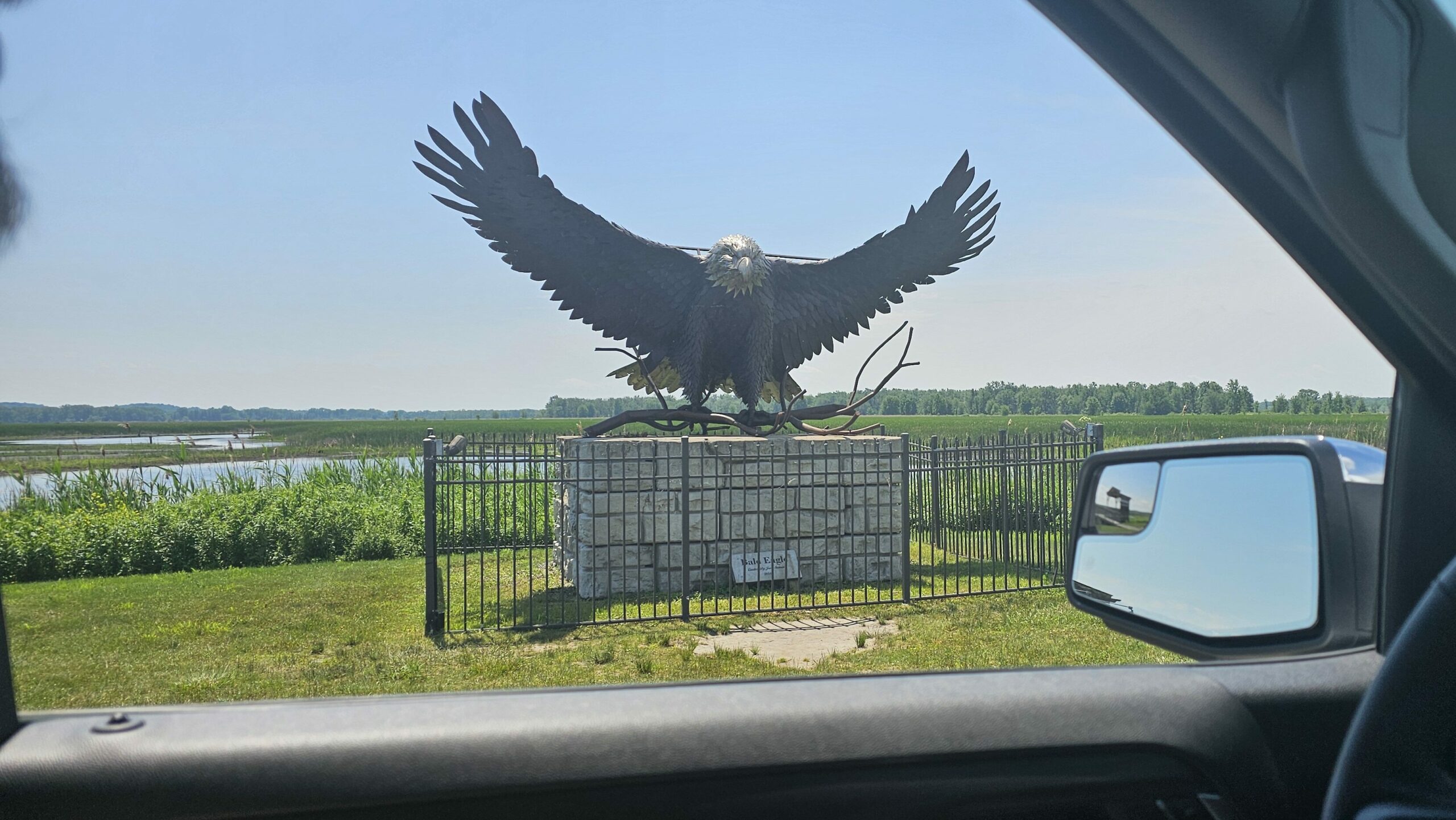
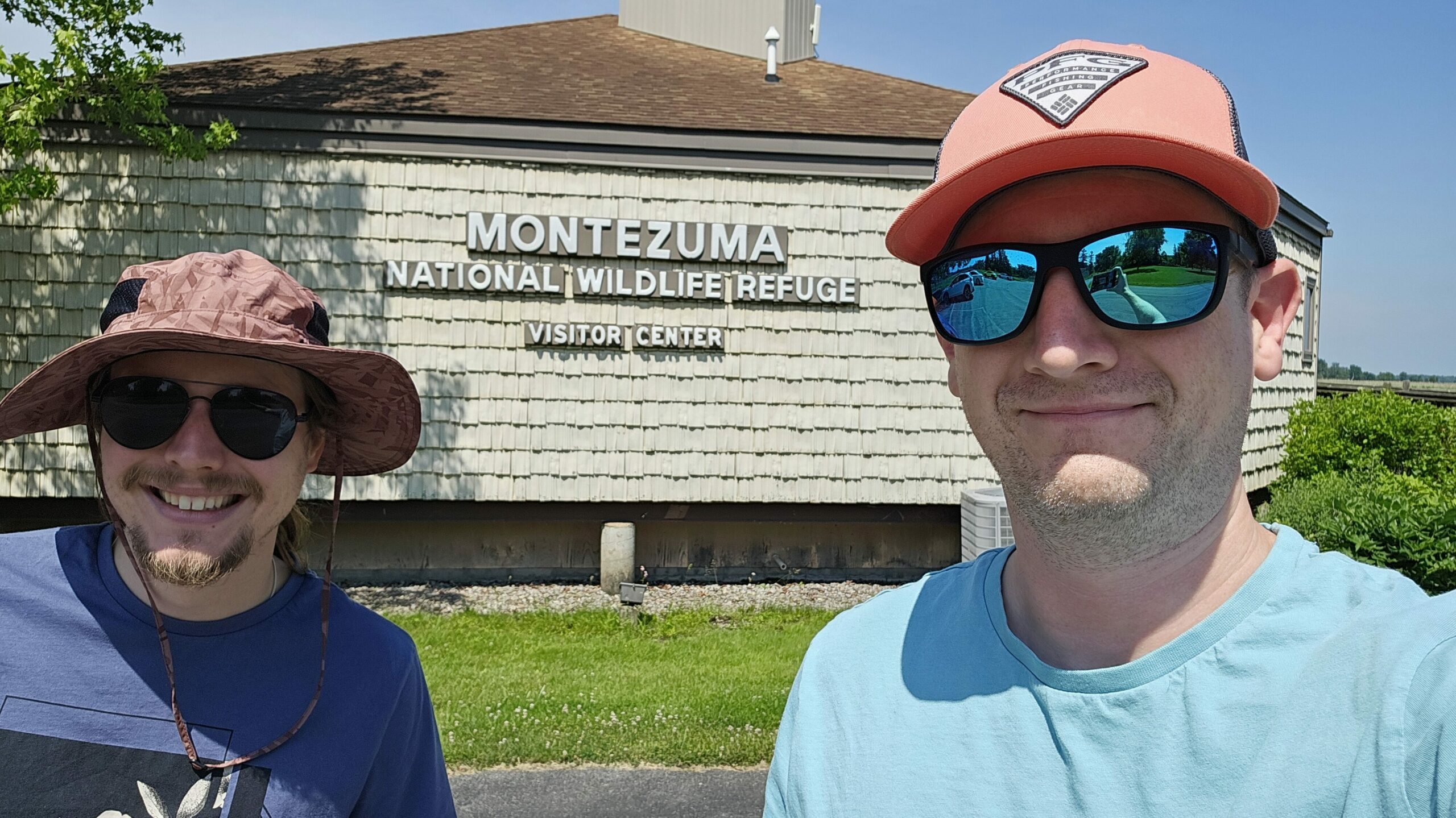
Leaving the interstate we drove through the tranquil Finger Lakes region, stopping at Montezuma Wildlife Refuge where a huge eagle statue stands on the roadside. Birdwatching with binoculars from Nuclear Talent Scout exhibiting at ANS was great - thanks for freebie, they were put to good use!
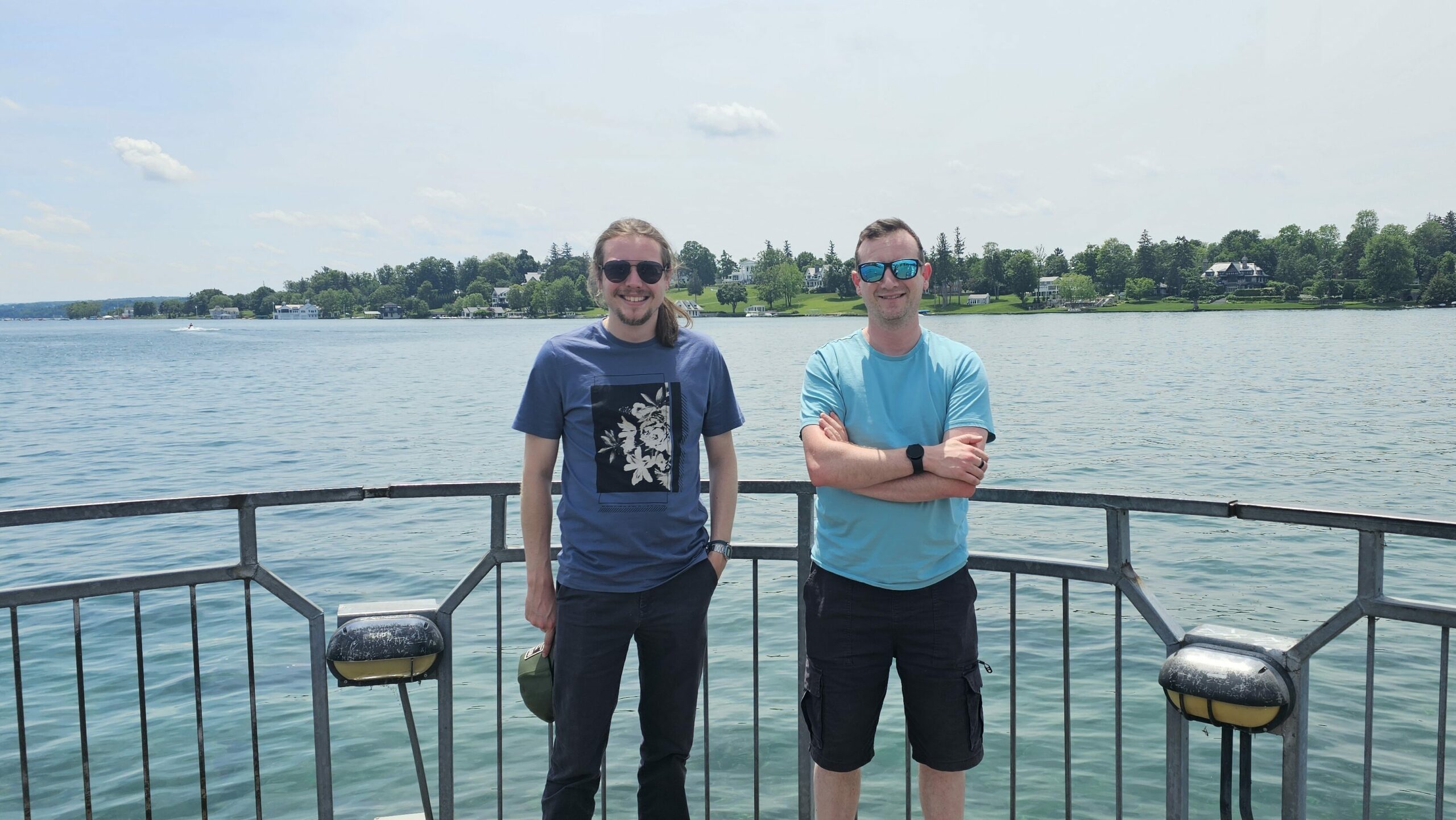
Continuing our drive, we made a memorable stop in the lakeside town of Skaneateles, enjoying much needed coffee and pastries. The locals found it quite amusing when we said “cheers” after receiving our coffees as apparently this doesn’t quite translate in the USA (along with other phrases like: “we need to get a wriggle on” and: “that’ll take donkeys years”). The town was distinctly upmarket with lots of American flags, the same with all the towns we drove through. It was quite a sight.
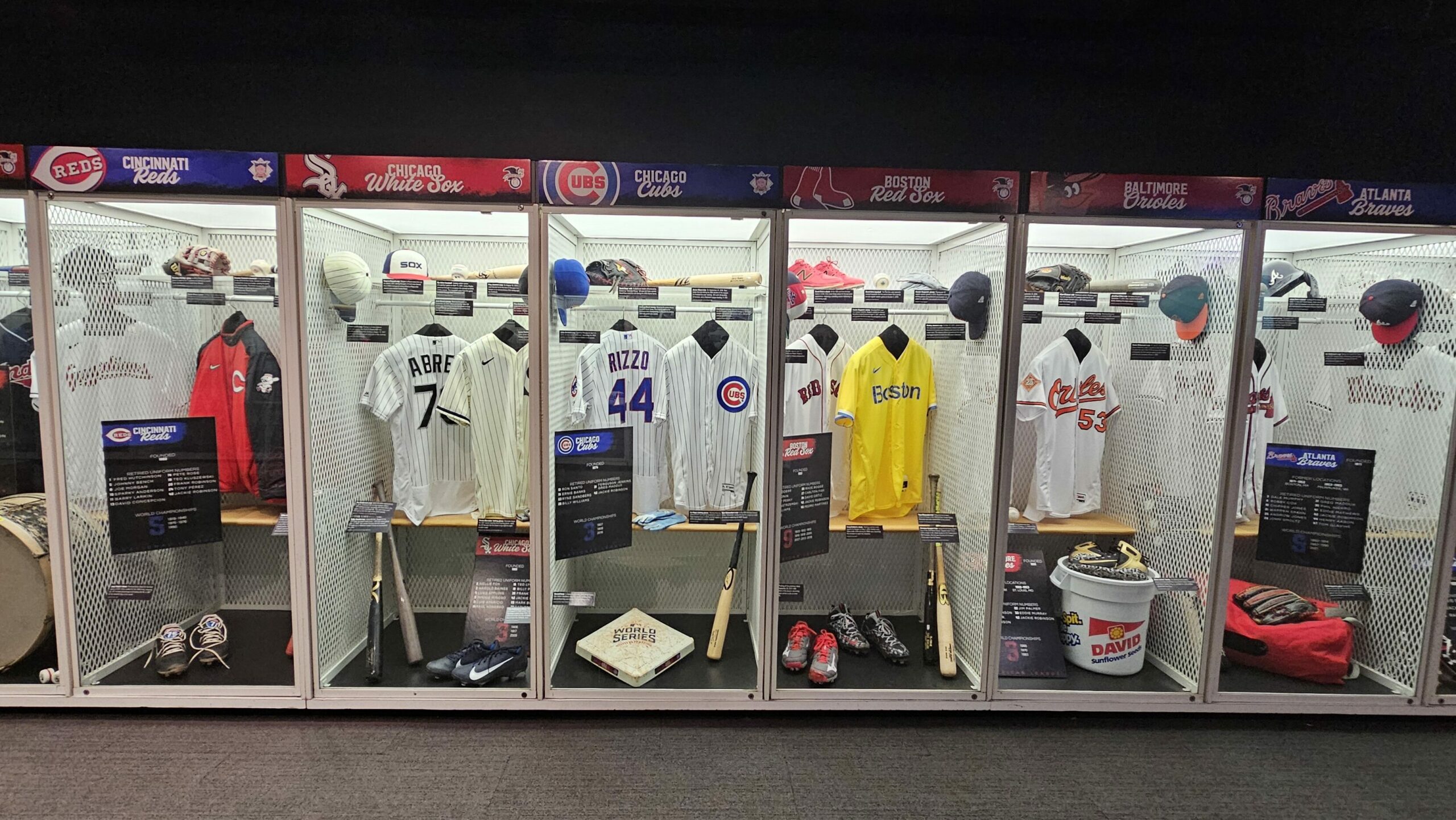
Cooperstown guided us through the history of baseball, revealing how it united communities across the states. We unfortunately missed attending a ball game in Chicago due to heavy rain, but there’s always next time! Springfield offered us some excellent German cuisine from a local recommendation, reminding us how cultural influences are very broad across America.
The Last Leg–Battleship Cove and on to Boston
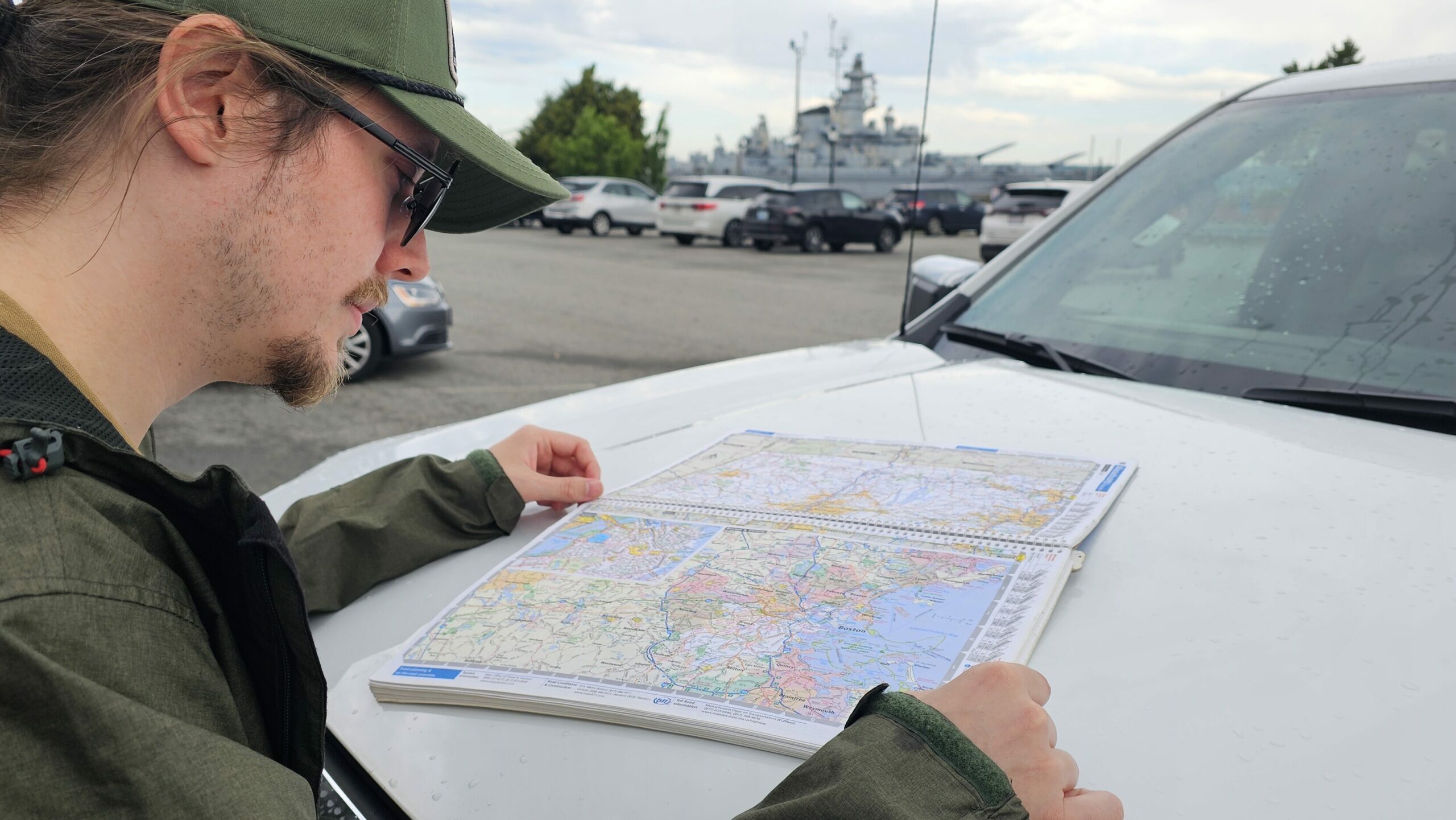
Distance Travelled: 154 miles / 162,624 Smoots (Springfield, MA, to Boston via Battleship Cove in Fall River)
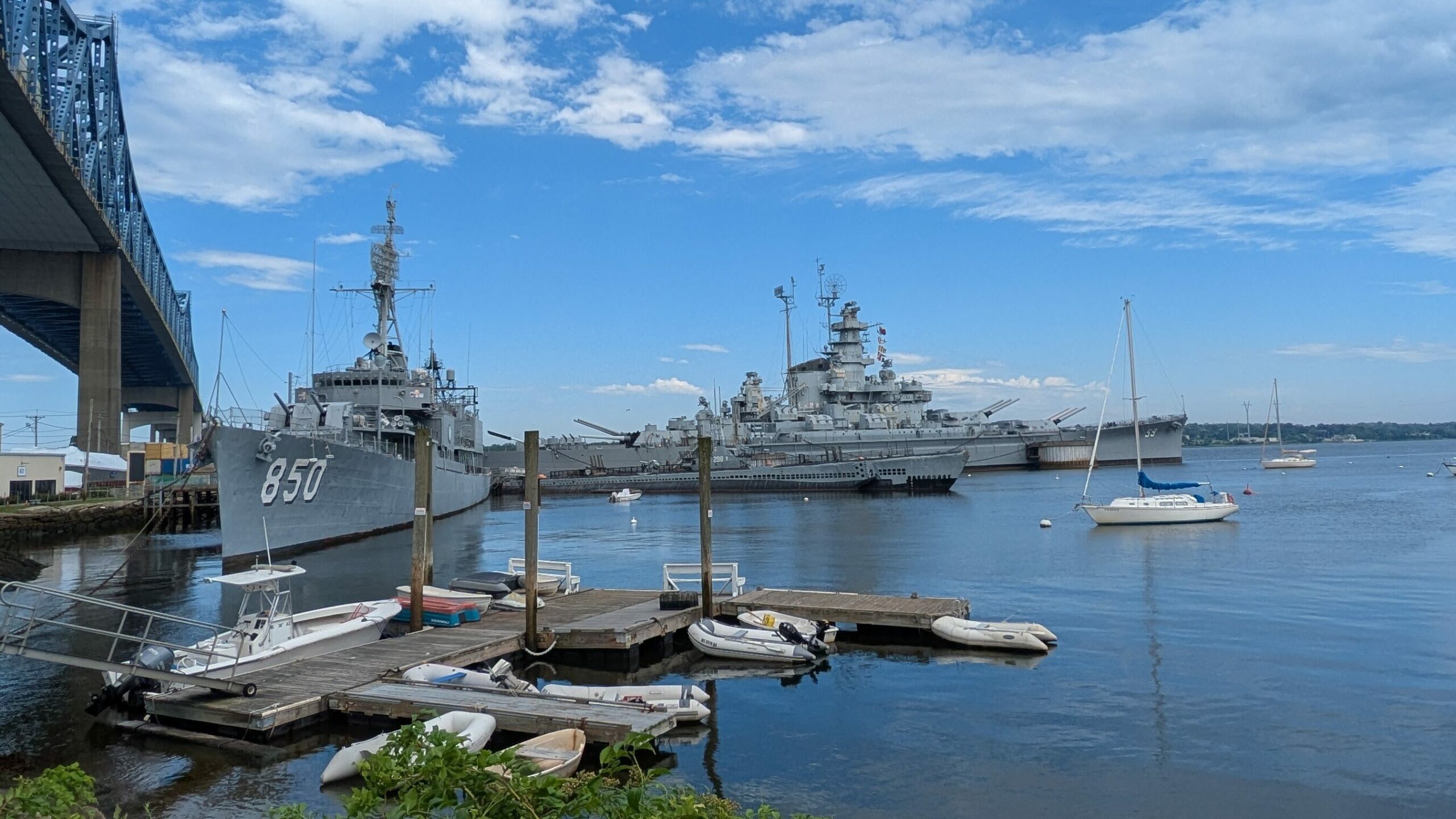
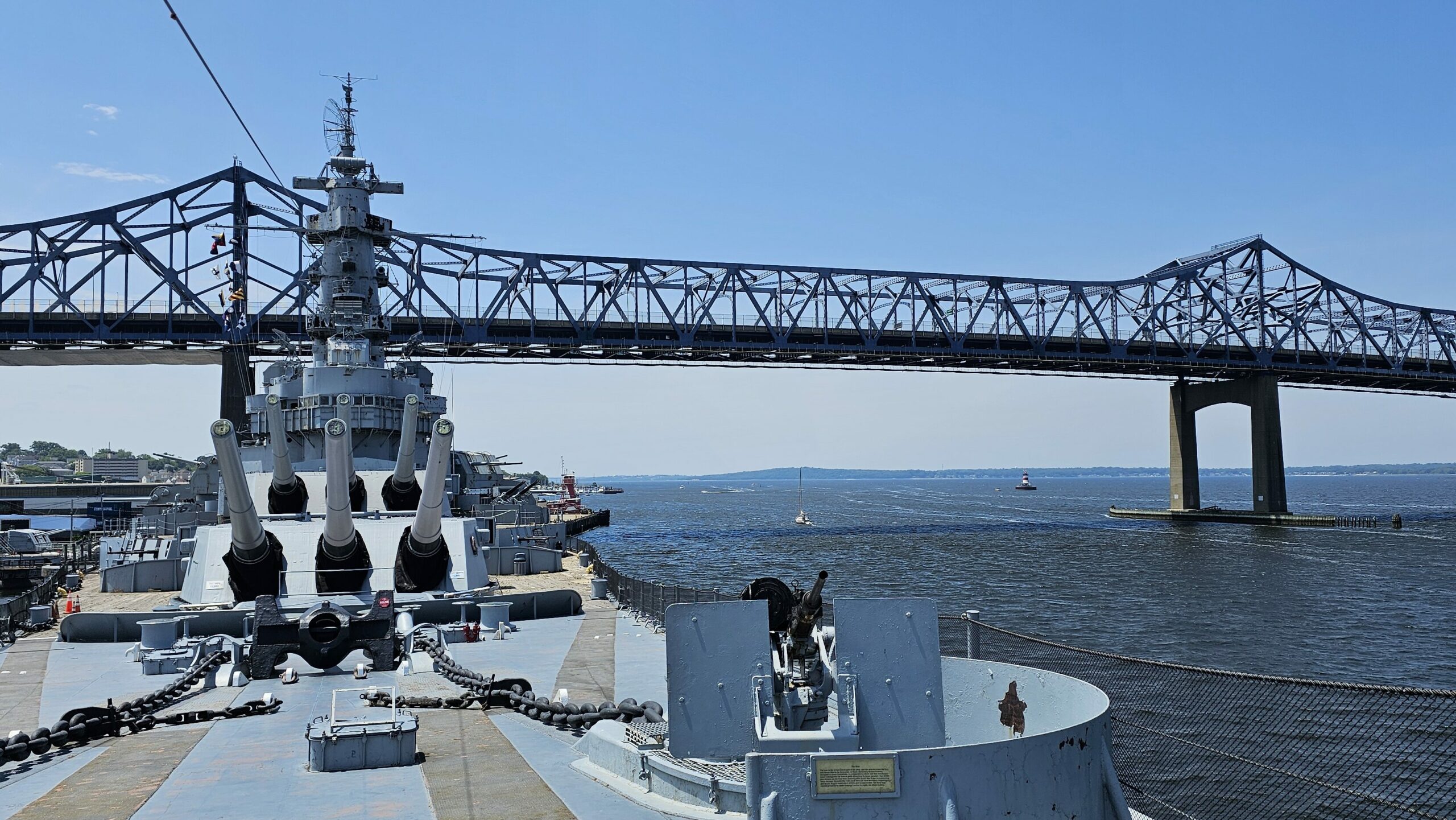
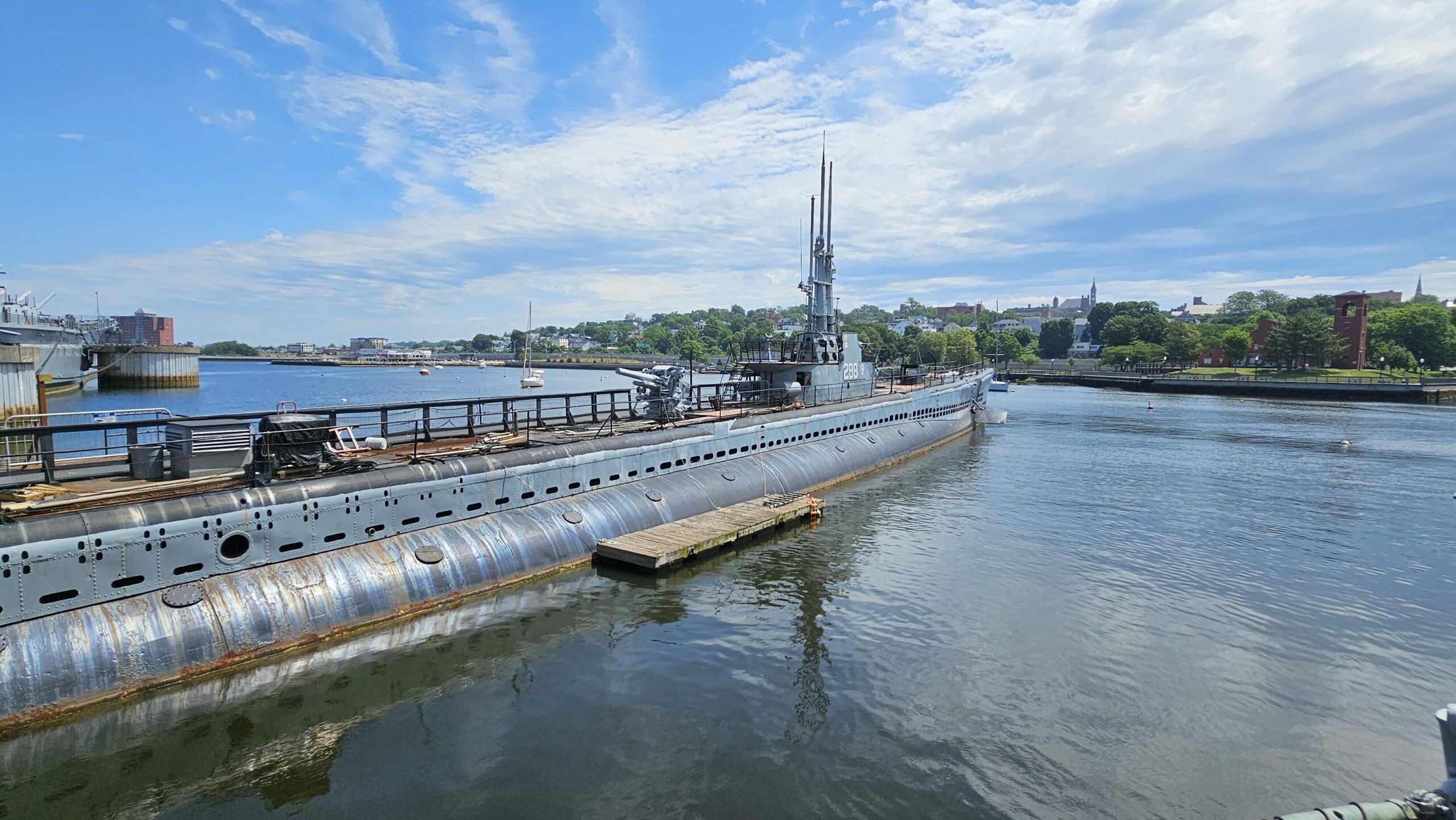
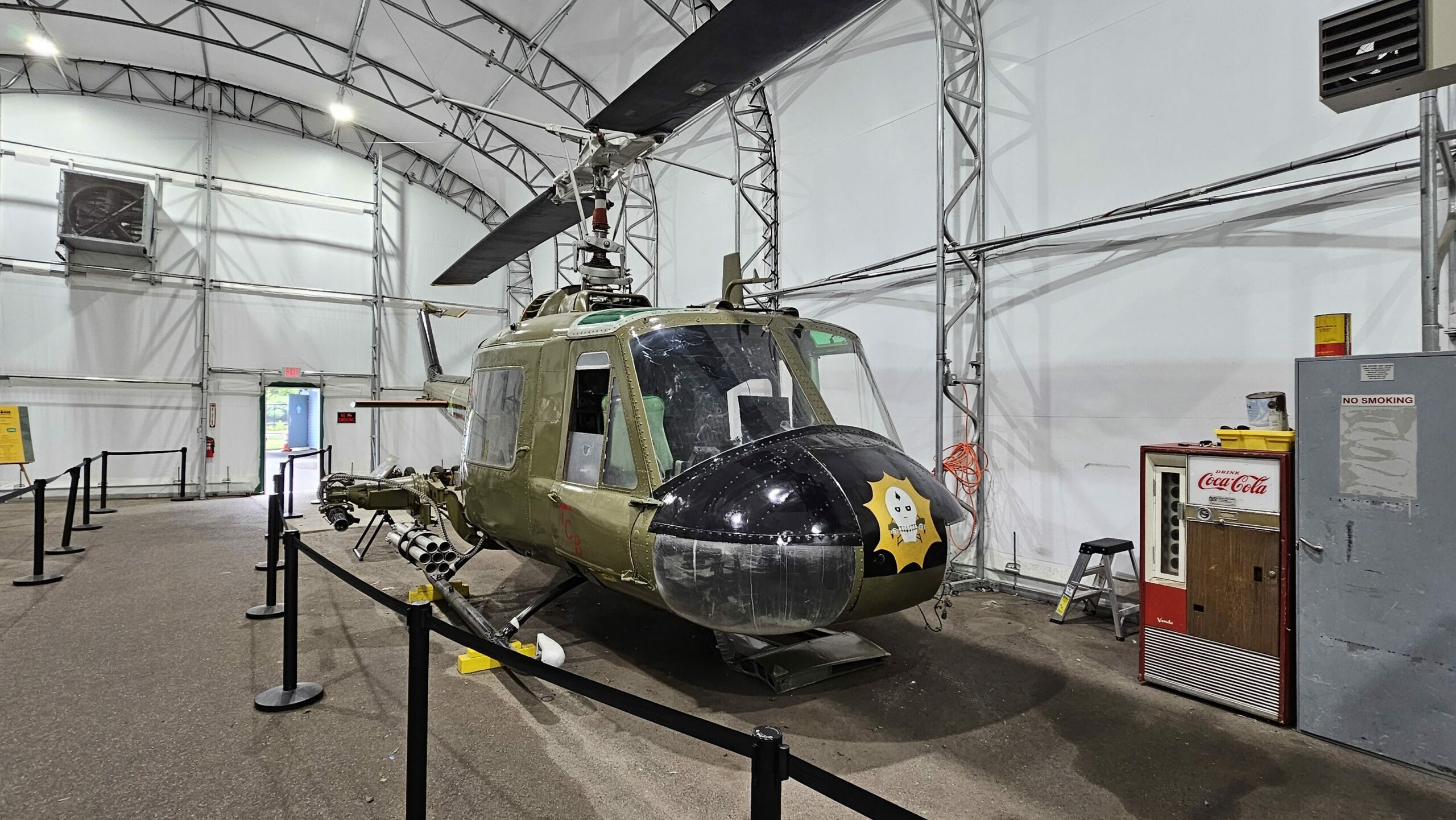
Battleship Cove near Boston gave us a look into maritime history, exploring the USS Massachusetts and USS Swordfish, a humbling reminder of the bravery of people during WW2. Experiencing the confined spaces and harsh conditions onboard made us appreciate just how tough life must have been for the people who spent months at sea. We then departed to Boston. After 4 days of travelling, we were both tired but there was no time to waste! We were straight into the SOFE conference the very next day.
Symposium on Fusion Engineering (SOFE)2025
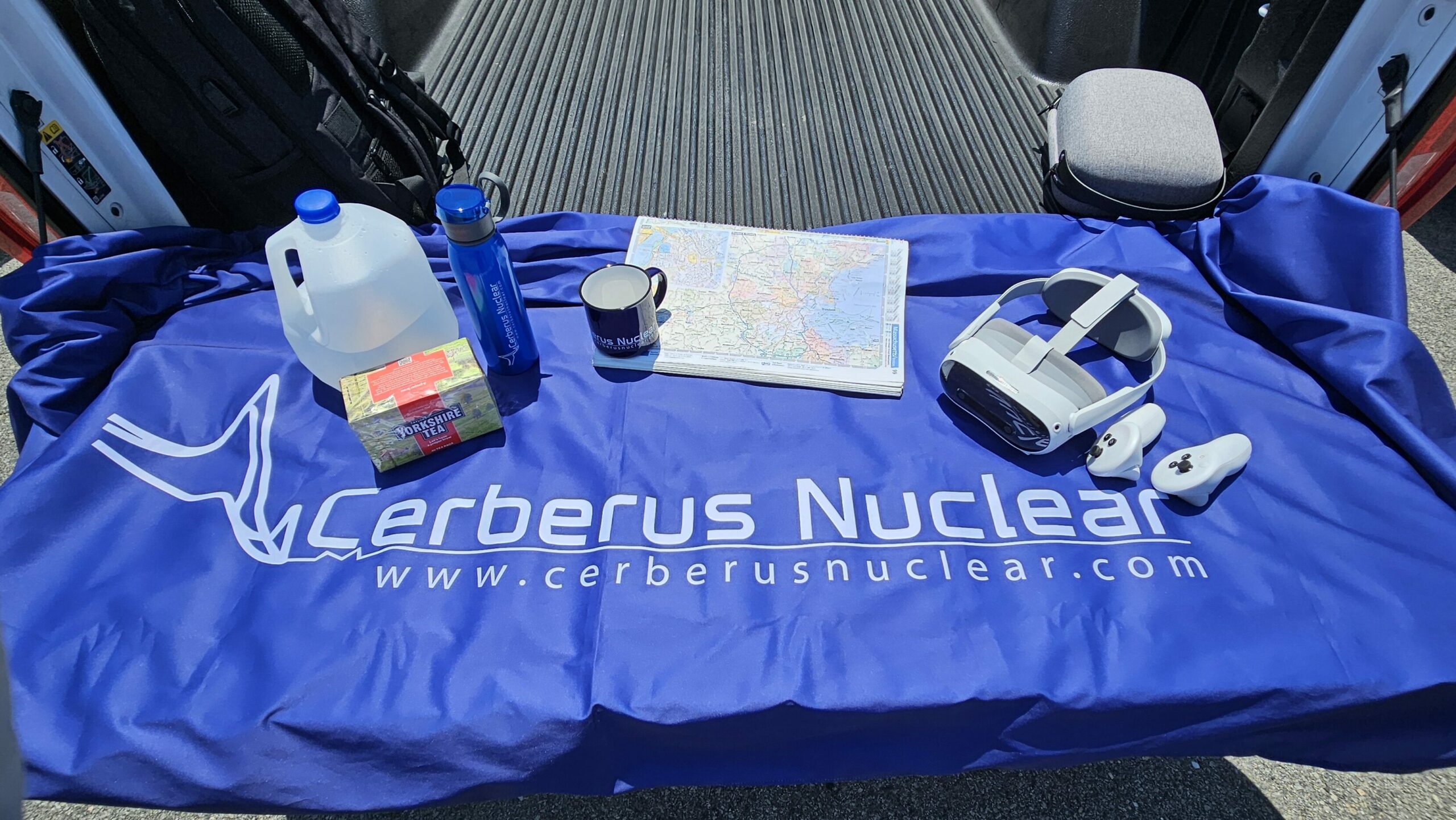
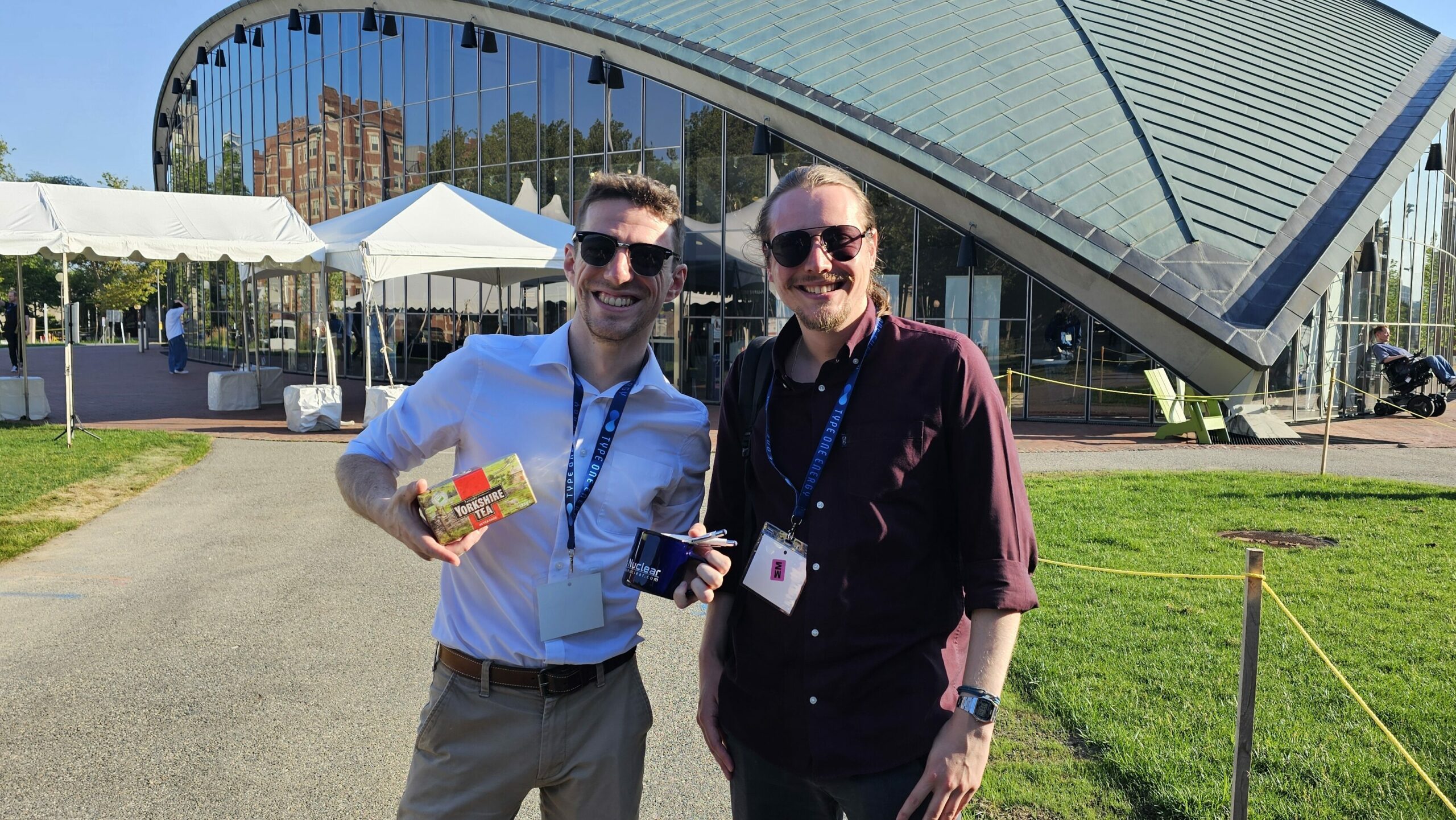
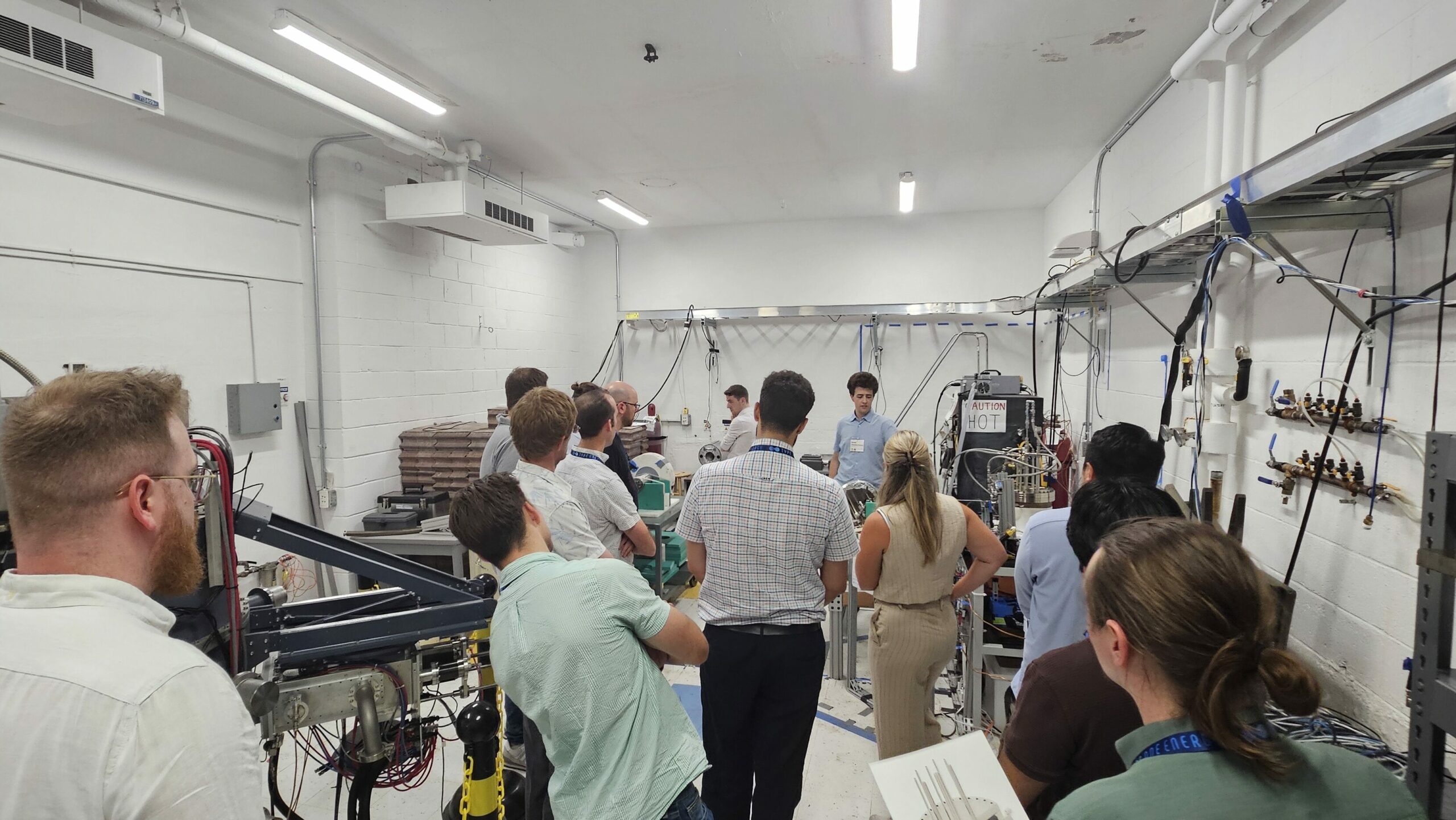
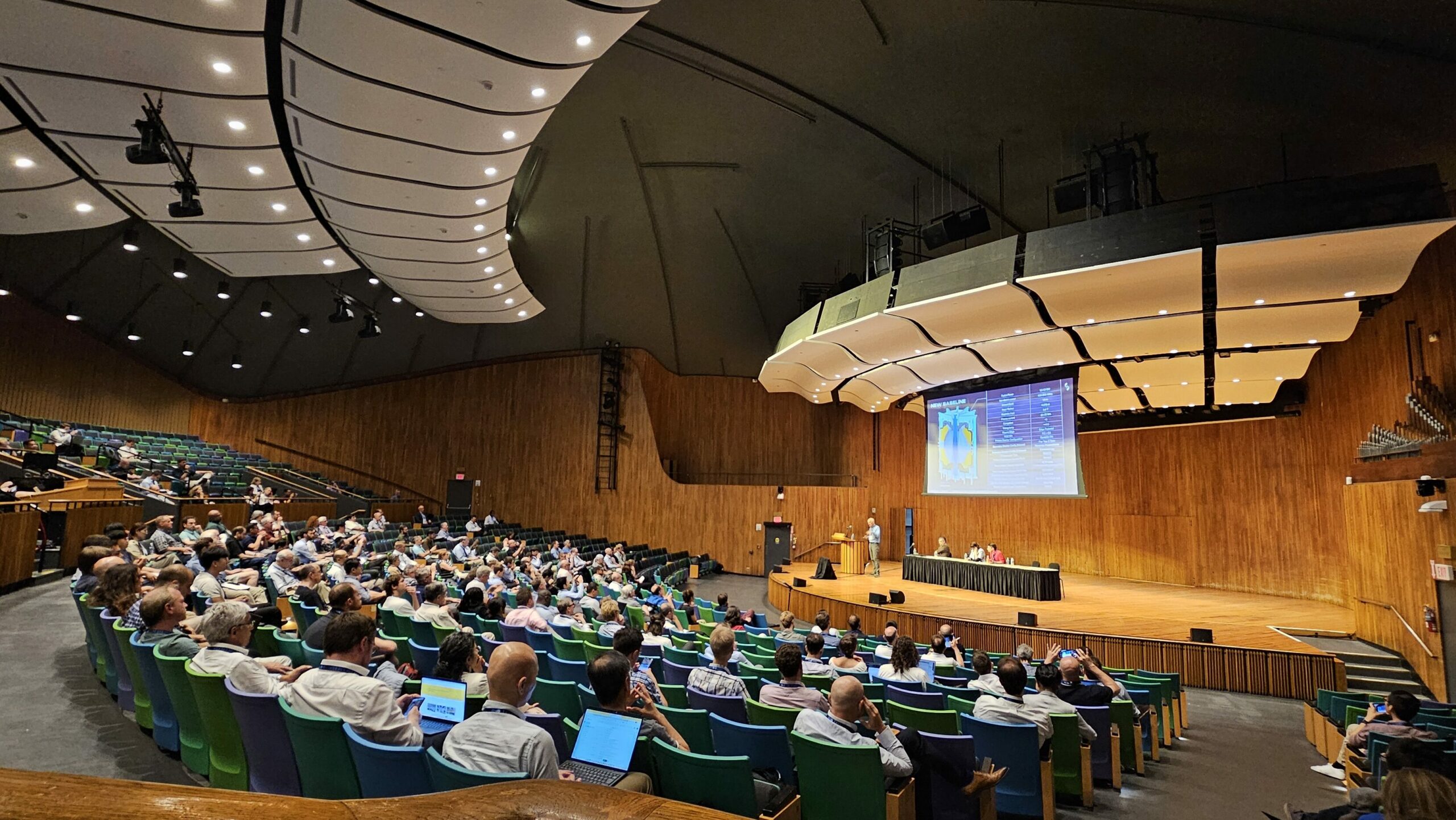
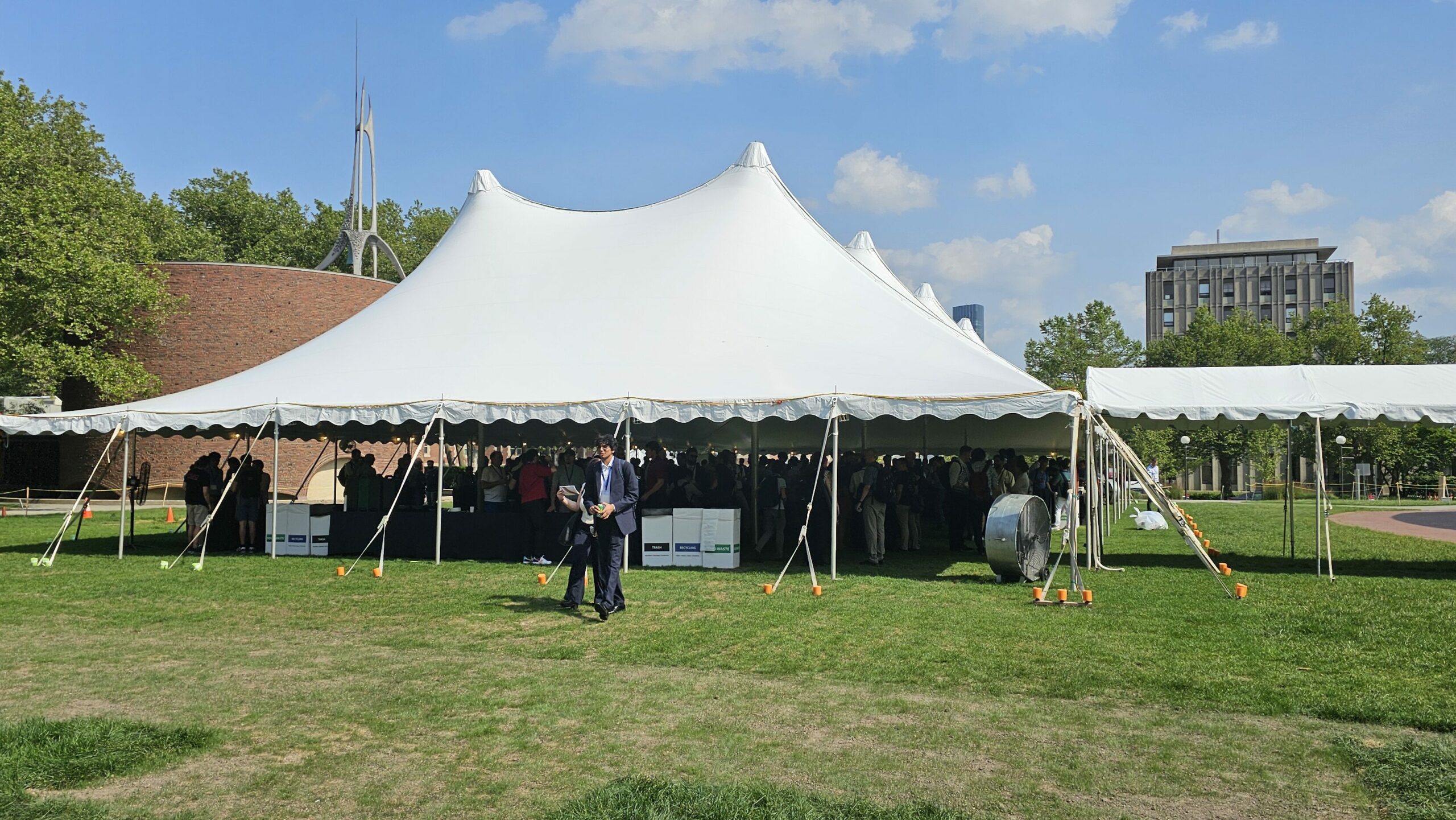
In Boston, our focus turned to fusion energy at the Symposium on Fusion Engineering (SOFE), where we were warmly welcomed by familiar faces. All of the fusion industry leaders were present, UK Industrial Fusion Solutions (UKIFS), Commonwealth Fusion Systems, Tokamak Energy, and Proxima Fusion, just to name a few. A highlight was a bespoke tour given by Rémi Delaporte-Mathurin (MIT) who showed us around the cutting-edge LIBRA tritium breeding experiment. We expressed our thanks with a limited-edition Cerberus Nuclear mug and Yorkshire Tea, essential provisions for any fusion scientist.
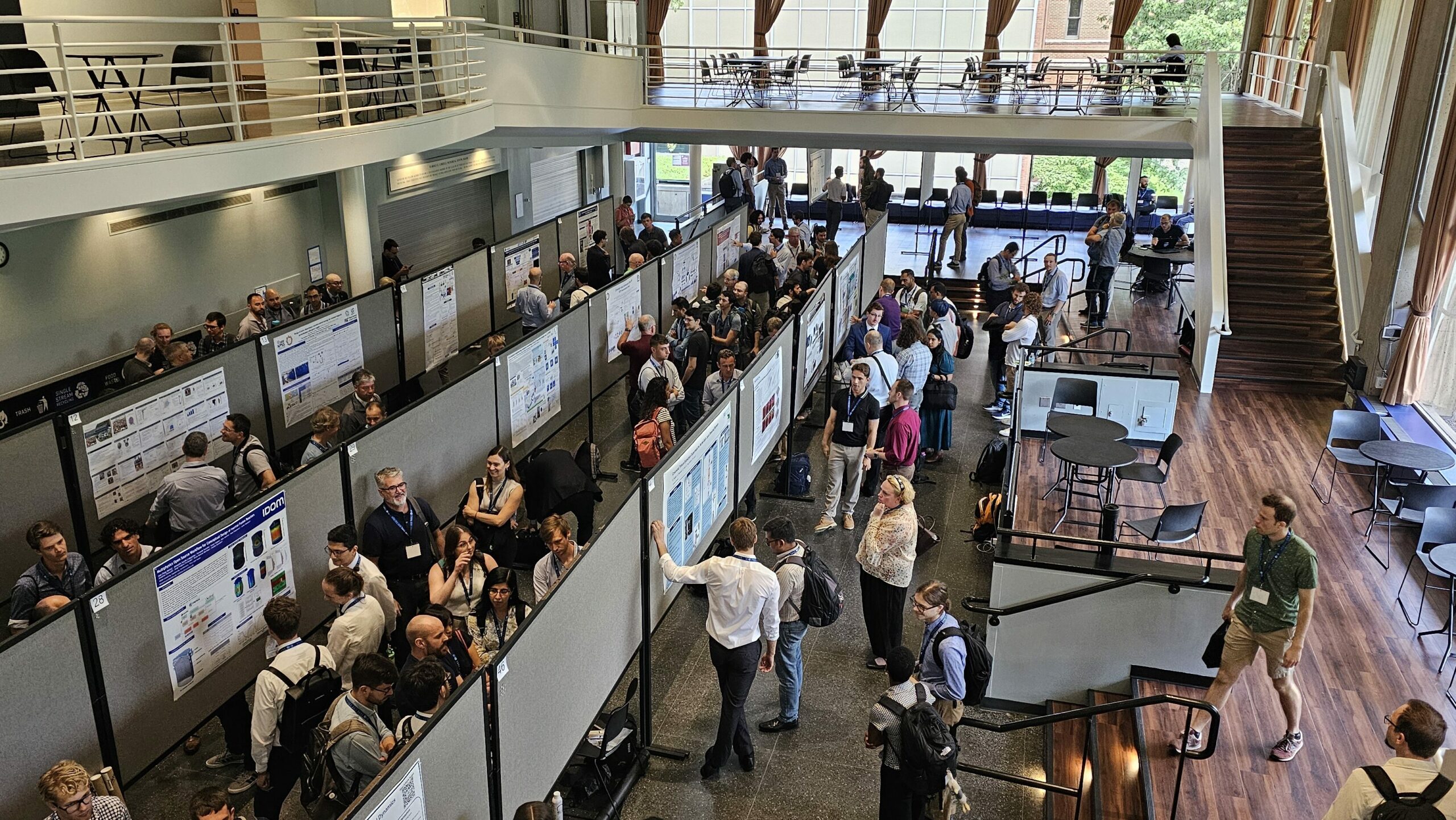
Our poster session promoting Cyclone and Cyclone Sage for fusion neutronics analysis was very well attended. The level of engagement was fantastic; both John and I nearly lost our voices from the sheer number of people we spoke to.
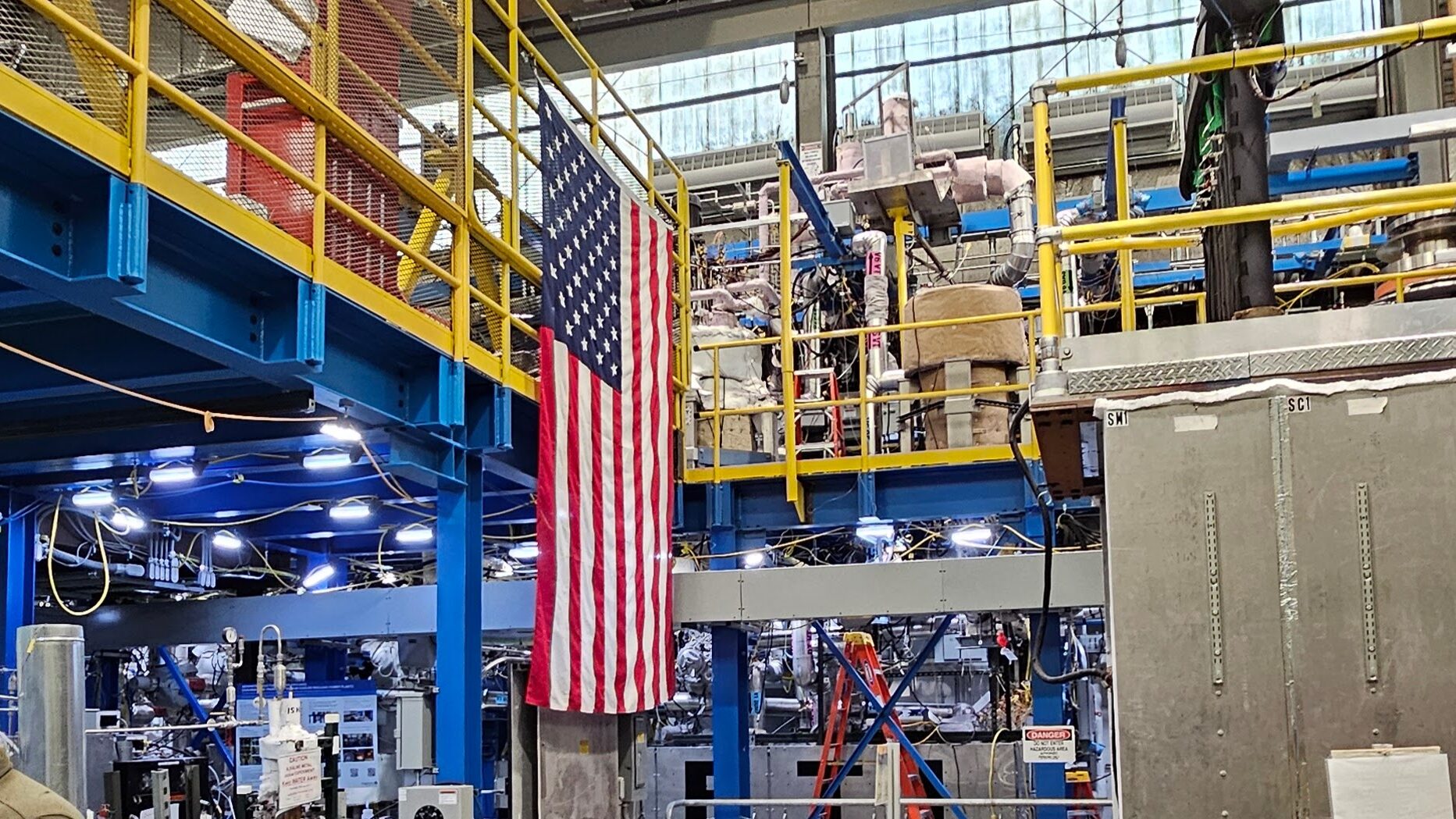
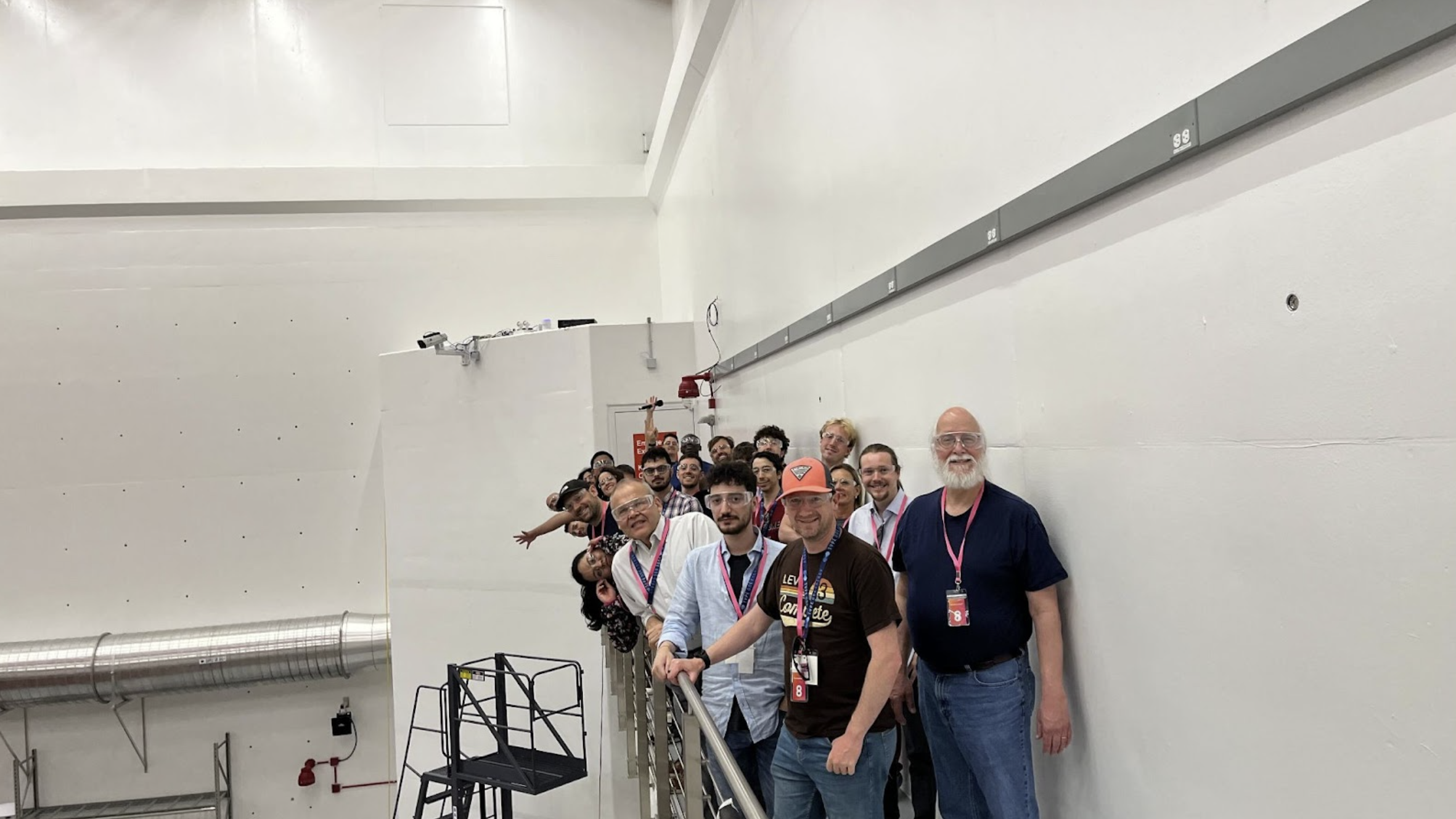
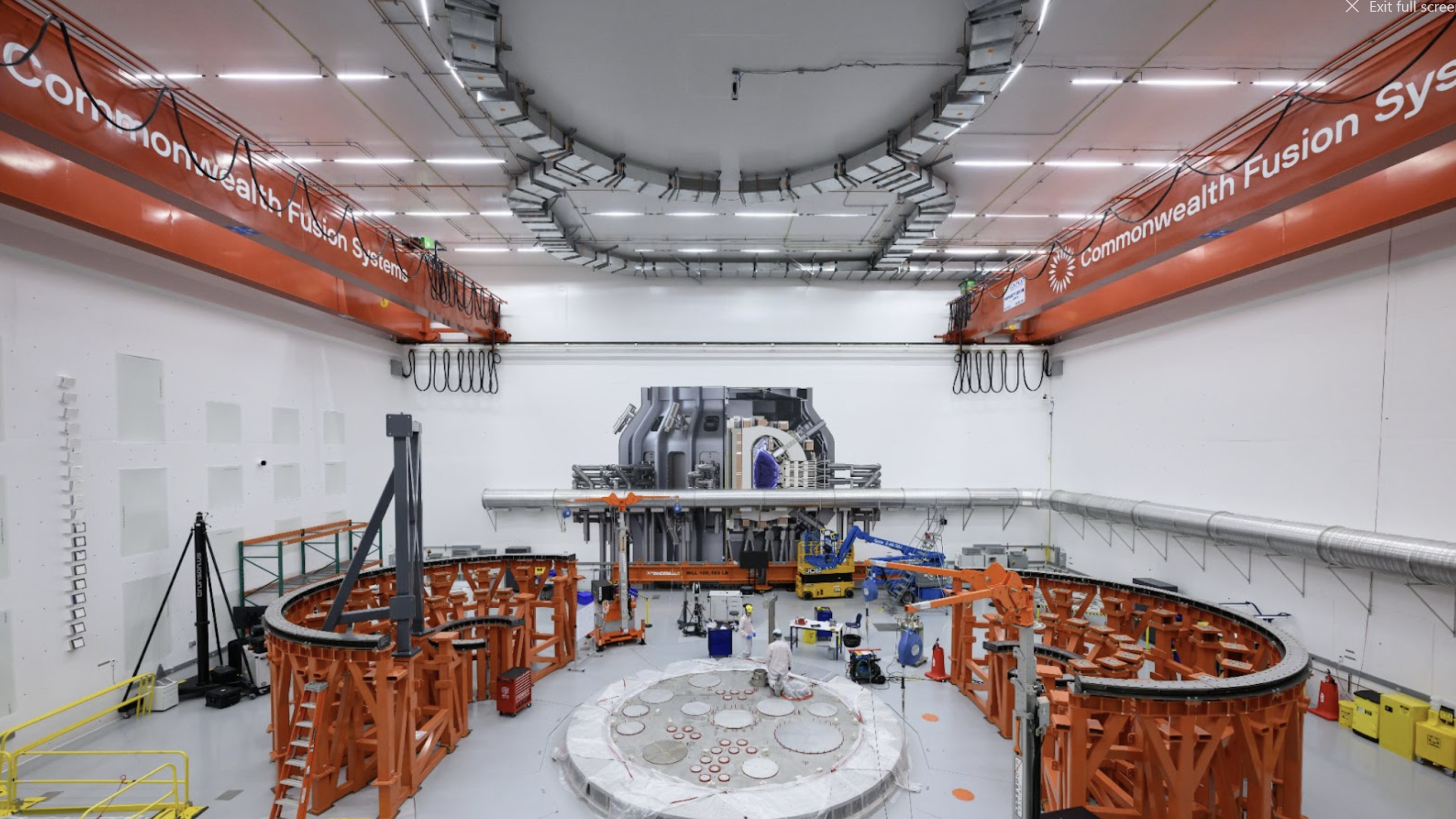
Visiting Commonwealth Fusion Systems’s SPARC was genuinely impressive. The rapid progress made has only heightened our excitement for fusion energy’s potential. Lookout from them in 2027 when its due to be turned on.
Thank you CFSProvided by CFS (Commonwealth Fusion Systems)
It's a long way from Chicago to Boston
Of course, we couldn’t leave Boston without visiting where Smoot’s story began, it turns out I’m slightly taller than one Smoot! Most visitors who walk across the Harvard bridge rarely notice the marks that are repainted every year, making it a fascinating hidden piece of MIT knowledge.
So how far is it from Chicago to Boston? Well, it's about 1005 miles, or 1,061,280 smoots +- 1 ear, and probably quite a bit more if you include how many steps we did! With that, our journey across the USA came to a close.
After all this it’s easy to forget that this whole adventure was about Cyclone and Cyclone Sage. So if you’re curious what Orthrus Software are up to, drop them an email (support@orthrussoftware.com) or check out orthrussoftware.com.
OpenMC Internal Training
Last week, John Billingsley from our Radiation Shielding team ran a full-day internal training session on OpenMC - a Monte Carlo particle transport code used for simulating neutron and photon transport.
OpenMC is a community-developed, open-source code that has gained popularity for its flexibility, active development, and integration with Python. It is widely adopted in the fusion energy sector, where its ability to perform high-fidelity simulations makes it a valuable tool for design and analysis. Increasingly, OpenMC is also being adopted in other areas of the nuclear industry as interest in modern, open-source tools continues to grow.
The training was well attended by members of both the shielding and criticality teams and was structured as a mix of short lectures and hands-on exercises. John introduced the main concepts of building models with OpenMC, including using its Python API to define geometries and materials, set up source terms, and run transport simulations. Attendees had the chance to follow along with practical examples and try building their own models themselves throughout the day.
The informal workshop format encouraged plenty of discussion, and it was a great opportunity for colleagues to explore how OpenMC might be applied in future projects. It was also a valuable chance for Cerberus to build upon our existing experience and expand our capabilities in the use of modern Monte Carlo transport codes.
Thanks to John for putting together such an informative and engaging session and for helping more of the team get familiar with OpenMC.
OSSFE Conference 2025
Last week, our shielding consultant, John Billingsley, had the opportunity to attend the Open Source Software for Fusion Energy (OSSFE) Conference – a first-of-its-kind event dedicated to advancing the development of open-source tools within the fusion energy community. The conference brought together researchers, developers, and enthusiasts from around the world to share exciting open source developments designed to accelerate progress in one of the most complex scientific challenges of all time.
Throughout the day, there was a wide range of engaging sessions and discussions, including technical talks, poster presentations, software demos, Q&A panel sessions, and informal meetups. Researchers presented on a broad range of topics including plasma physics, neutronics, tritium transport, and materials science, and showcased new tools in practical software tutorials.
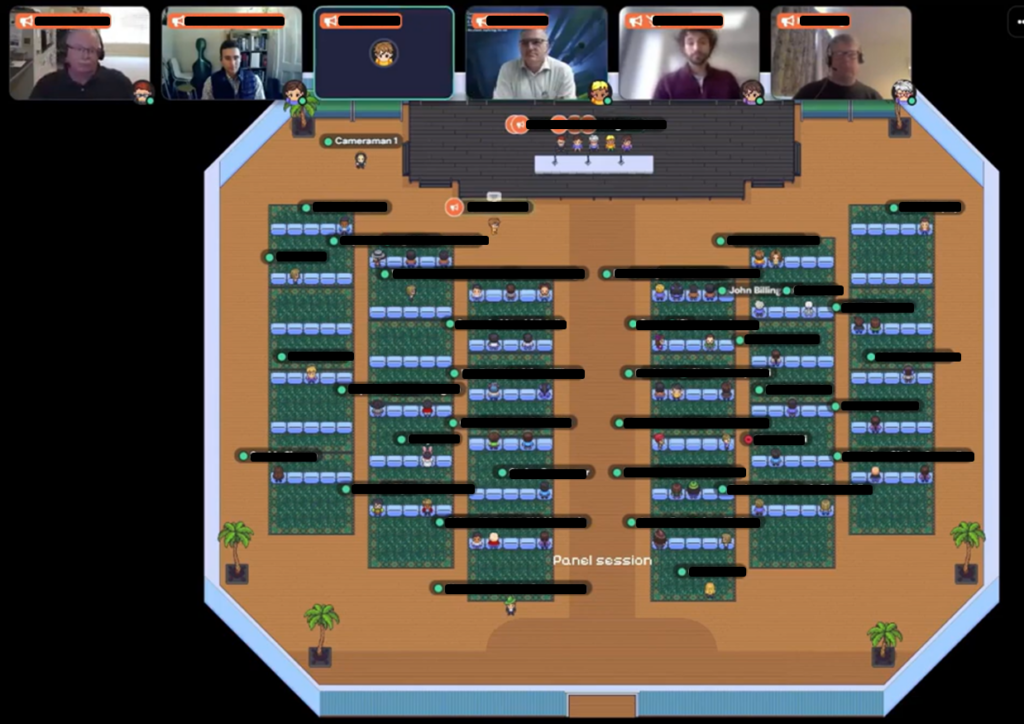
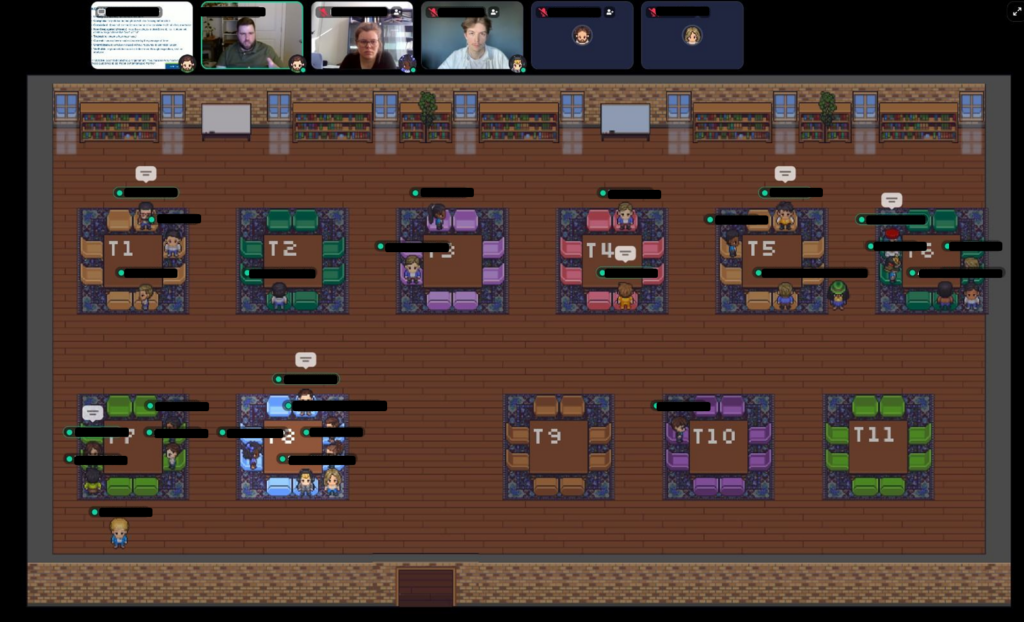
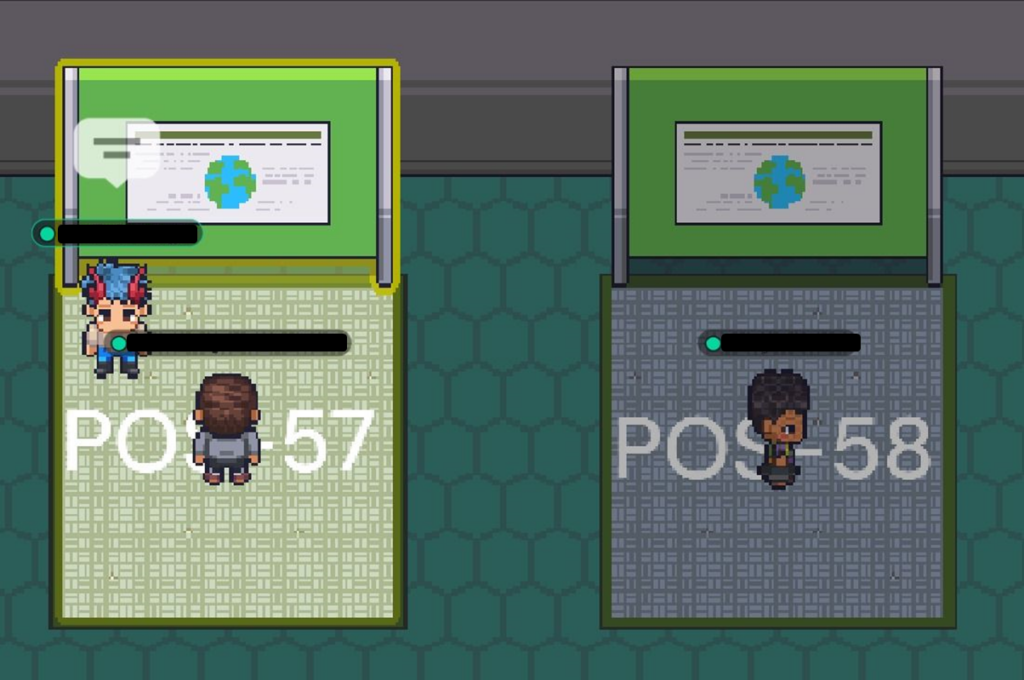
The event was hosted through Gather in fully customized virtual platform which had been designed to replicate a real-world conference space. This wasn’t something we’d used before and was an interesting new environment to explore. You could navigate the space just like a real conference – dropping into rooms where presentations where happening or using proximity chat to strike up conversations with other attendees as you “walked” past. It brought a surprisingly authentic feel to an online event.
A huge thank you to the organising committee - Rémi Delaporte-Mathurin, James Dark, Jonathan Shimwell, Nick Murphy, Patrick Shriwise, Samuele Meschini, Ethan Peterson, and Julien Hillairet – for putting together such a well-organised and engaging event. We are looking forward to attending again in 2026.
Cerberus Nuclear at the 55th Shielding Forum Meeting
Earlier this week, Cerberus Nuclear was delighted to once again participate in the 55th Shielding Forum Meeting, hosted by Nuclear Transport Solutions at Birchwood Park, Warrington. This meeting is an important event in the calendar for radiation shielding professionals, offering a chance to learn about recent advancements in the field, share knowledge, and network with others.
As an active contributor to the forum, Cerberus played a key role throughout the day with John Billingsley delivering a presentation on the latest developments of Cyclone Sage – a state-of-the-art AI tool integrated with Cyclone, currently being developed in collaboration with Orthrus Software.
Sage is designed to revolutionize radiation transport simulations, offering the ability to generate full, accurate, and hallucination-free MCNP input decks from natural language prompts. This functionality is a game-changer for Monte Carlo simulations, simplifying workflows and significantly reducing errors in calculations. For new shielding analysts, Sage accelerates their training by helping them familiarize themselves with MCNP syntax and perform error-free calculations quickly. For seasoned practitioners, it will help significantly speed up the production of complex MCNP inputs.
We were thrilled to receive very positive feedback on Sage from attendees throughout the day, with many eager to become early-release testers and explore its capabilities firsthand. It was clear to us that the nuclear sector recognizes the potential of a tool like Sage to enhance the efficiency and accuracy of shielding calculations.
Throughout the day, we also saw a variety of other insightful presentations showcasing innovative approaches and advancements in shielding methods and technologies. A huge thank you to Anton Murfin (UKNNL) and the committee for hosting another excellent TSF event.
If you would like to learn more about Cyclone, check out Orthrus Software’s website, and look out for exciting updates on Sage on our website and LinkedIn. If you are interested in becoming an early-release tester of Cyclone Sage, please get in touch via support@orthrussoftware.com.
Cyclone Sage at RPSD 2024
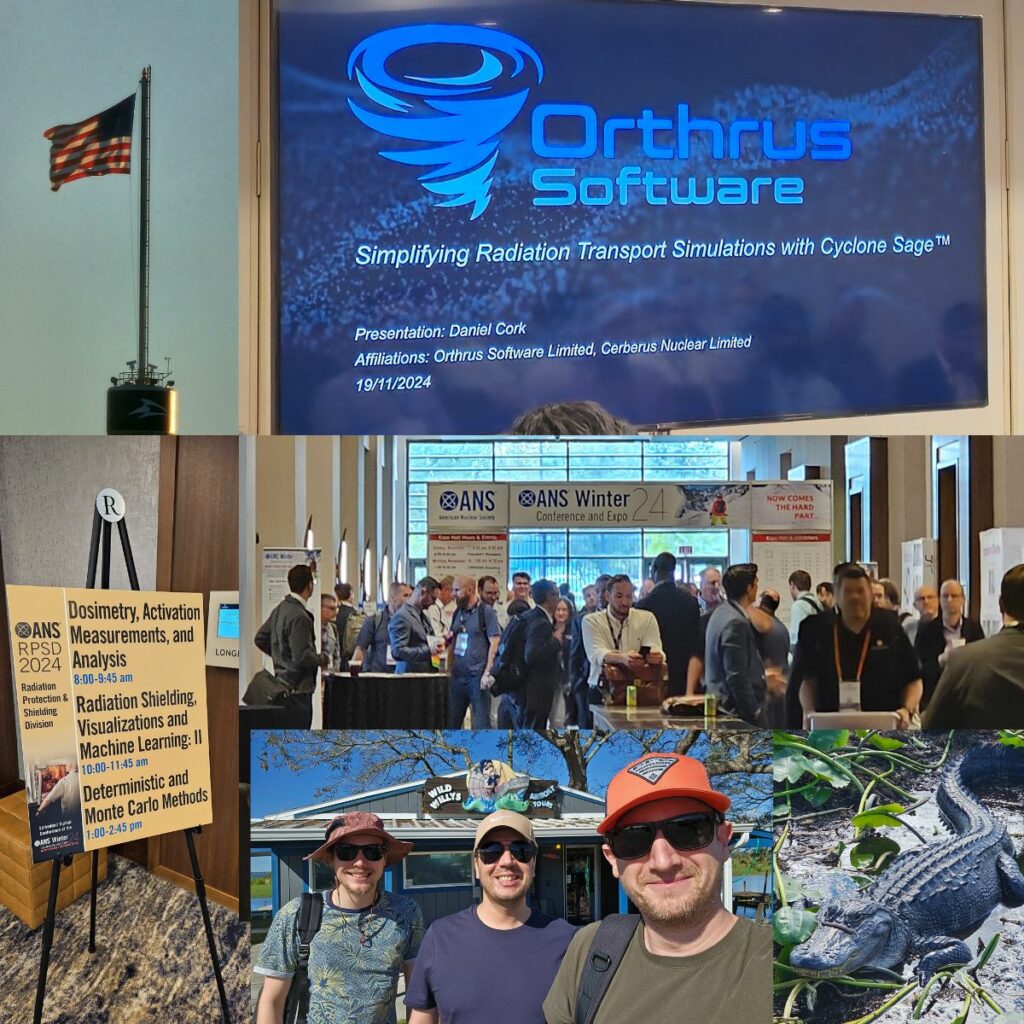
Cerberus Nuclear were proud to support Orthrus Software at the ANS Winter Conference 2024 hosted at Sea World, Orlando, running from 17th to 21st Nov. This prestigious event brings together experts from across the nuclear industry, offering a platform to share progress, showcase projects, and discuss advancements in the nuclear sector. We were thrilled to connect with experts in the Radiation Protection and Shielding Division (RPSD) and attend a variety of interesting technical sessions.
Orthrus Software presented a talk on Cyclone Sage – a cutting-edge AI assistant designed to revolutionise MCNP input deck creation. Cyclone Sage stands out by delivering precise, hallucination-free inputs seamlessly integrated within Orthrus’ Cyclone UI. It’s an exciting step forward in the world of AI and Monte Carlo simulations, and we’re thrilled to see the positive response from the community. We look forward to continuing our support of the development of Cyclone Sage and trying out its exciting new features.
A huge thank you to the organisers of the conference and to everyone who put on such a great event. We look forward to coming back soon.
Our delegates, Dan, John and Pete (Orthrus Software) also managed to squeeze in some Florida sights, including an airboat tour – complete with lots of alligators!
Nuclear Modelling 2024
Last week, Cerberus Nuclear had a fantastic time attending the 7th Modelling in Nuclear Science and Engineering Seminar in Manchester. The event was hosted by the Nuclear Institute and was an excellent chance for Andrew and Carl to network and learn about recent developments in the field of nuclear modelling.
There was a large focus on the implementation of AI within the nuclear industry. This related to the creation of both more accurate assessments and more user-friendly programs. We were particularly interested in developments relating to nuclear safety cases, as well as other aspects of nuclear modelling that are applicable to the work carried out at Cerberus on a day-to-day basis.
This seminar was a great opportunity to see a variety of different ideas that the rest of the industry has for the use of AI in nuclear modelling ahead of Orthrus Software's presentation on Cyclone Sage at RPSD 2024 in Orlando next week. Cyclone Sage is an integrated AI assistant within Cyclone, which can aid in the creation of MCNP input decks
Seminars like these inspire us at Cerberus Nuclear to continue our mission to provide high quality technical solutions with an emphasis on creativity and innovation. The development of tools for use in nuclear modelling and data science at Cerberus helps the industry to optimise its workflow, while allowing us to excel in the fields of radiation shielding, criticality safety and nuclear characterisation.
We look forward to attending similar events in the future! Make sure to look out for our blog post about RPSD 2024 in the next few weeks and definitely say hello to us in Orlando if you'll be attending in person!
Cerberus Nuclear to Expand Expertise with FLUKA.CERN
Cerberus Nuclear is on a continuous path of improvement, and we are thrilled to announce our participation in the upcoming FLUKA.CERN course at the INTA, the National Institute for Aerospatial Technologies in Madrid, hosted by CERN. Participating in the course is a testament to our commitment to stay at the forefront of advancements in high-energy physics.
Delving into FLUKA: A Comprehensive Tool
FLUKA is a highly regarded high-energy physics Monte Carlo code used for the simulation of high energy particles. The history of FLUKA traces back to the 1960s at CERN, evolving through several iterations to become the robust high energy physics modelling tool it is today. The application range of FLUKA is broad, encompassing areas such as accelerator design, beam line design, particle physics, and medical applications. This versatility underscores FLUKA's use in advancing research in the field of radiation physics.
Cerberus Nuclear's Forward Step with FLUKA
Our radiation shielding team's engagement in the FLUKA.CERN course underscores our dedication to enhancing our capabilities in specialised areas. It’s about more than just acquiring new skills; it’s about enriching our team's knowledge base and fostering a culture of continuous learning.
A Vision for the Future
As we look forward to participating in the course, our team is keen on the prospect of integrating this advanced knowledge into our workflow. We believe that staying up to date with the latest advancements in our field is crucial for our growth and success. As such, we’re eager for our clients and partners to benefit from our knowledge from this course. By enhancing our technical capabilities with this educational endeavour, we are reinforcing our position as a leader in our industry, committed to delivering cutting-edge solutions.
Our Radiation Shielding Consultants Sam, Zac and John will be attending the course next week in Madrid. We invite you to keep a look out for updates to see how they get on!
Cerberus Nuclear attend ANSWERS Seminar
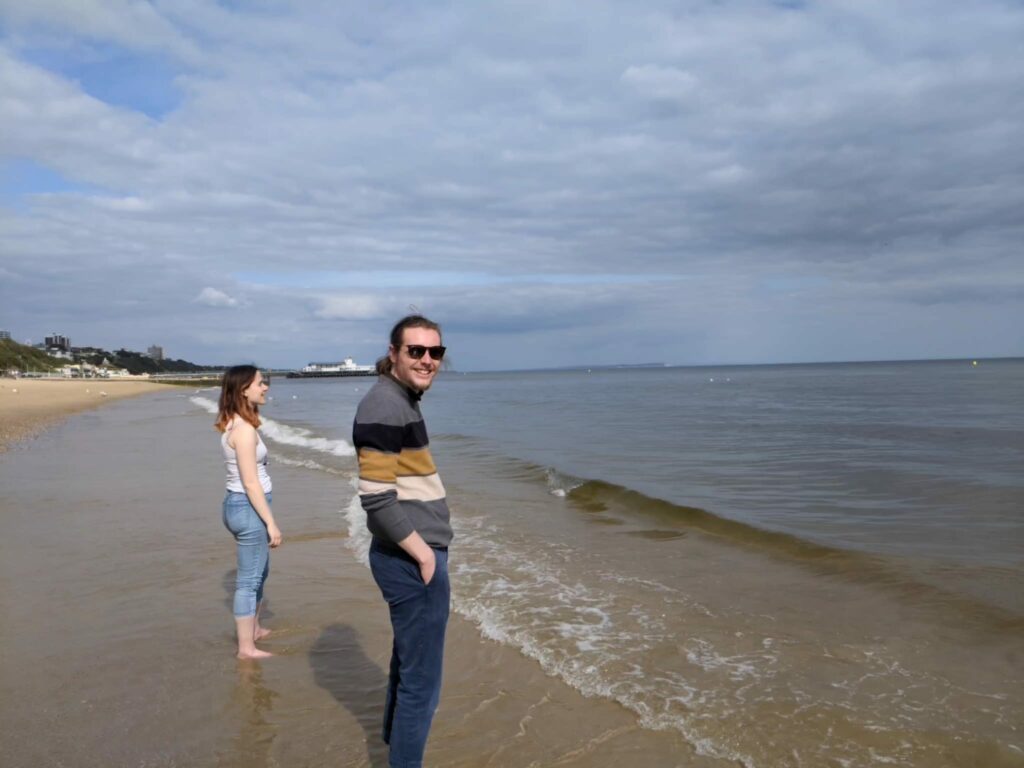
Cerberus Nuclear recently had the privilege of attending the 57th Meeting of The Shielding Forum and the 103rd Working Party on Criticality (WPC) meeting during the annual ANSWERS seminar held in Bournemouth. Over the course of three days, professionals from the nuclear sector gathered to discuss key topics such as radiation shielding, reactor physics, and nuclear criticality, as well as recent developments and applications of ANSWERS software.
A few members of the Cerberus Nuclear criticality team also had the opportunity to attend the criticality day of the ANSWERS seminar. The forums were a gathering of industry experts from a range of different companies and licenced sites, all sharing an interest of growth and innovation within industry.
We would like to extend a massive thank you to the team at Jacobs for hosting the conference in sunny and beautiful Bournemouth, and the Hilton for its fantastic facilities. The team left feeling excited for the challenges ahead and a renewed sense of motivation for our in-house innovation work. Here’s to many more inspiring conferences and memorable times!
The WPC is a formal sub-group of the Safety Directors Forum, with a focus on criticality safety issues, promoting co-operation nationally and internationally. Cerberus was delighted to attend the semi-annual WPC meeting, which is an invaluable platform to learn from industry experts while gaining insights into the latest advancements. There were engaging group discussions on key issues facing UK criticality and exciting potential solutions. Some members delivered fantastic presentations speaking about new advancements and future possibilities in the criticality sphere.
It was great to see Katrina Christaki in a key role as the WPC secretary, and we look forward to Cerberus Nuclear’s continued active participation in the group and sub-groups. A big thank you to the dedicated WPC Chair Fred Winstanley for ensuring a thought provoking and productive event.
The Shielding Forum plays a major role in the event schedule, aiming to promote industry good practice and provide authoritative advice on all matters related to radiation shielding. As long-time supporters of TSF, Cerberus Nuclear were delighted to participate and benefit from the expertise shared by industry leaders. The presentations covered a wide range of topics, including the shielding design basis, fusion, and technical discussions on the latest analysis codes used in industry.
With continued support, TSF promotes the training and development of radiation shielding practitioners to ensure that the UK is, and continues to be, a centre of excellence for radiation protection. Thank you to Anton Murfin, the chair of TSF, for organising an engaging and informative meeting. We look forward to maintaining our involvement with TSF in the future.