What Riding in a Waymo Made Me Think About Trust and AI

After coming back from WM2026 in Phoenix, AZ, I found myself reflecting on something slightly unexpected from the trip.

John and I had a good week collaborating with Lucideon and presenting our Gamma-Crete™ work, which led to some useful discussions around shielding performance in radiation transport and the potential for more efficient packaging approaches.

Alongside that, we also used the time away to continue developing Cyclone Sage, the AI assistant we are building for Cyclone at Orthrus Software. So by the time we were heading home, I was already thinking quite hard about AI systems, how people respond to them, and what sort of trust we should be asking of them.

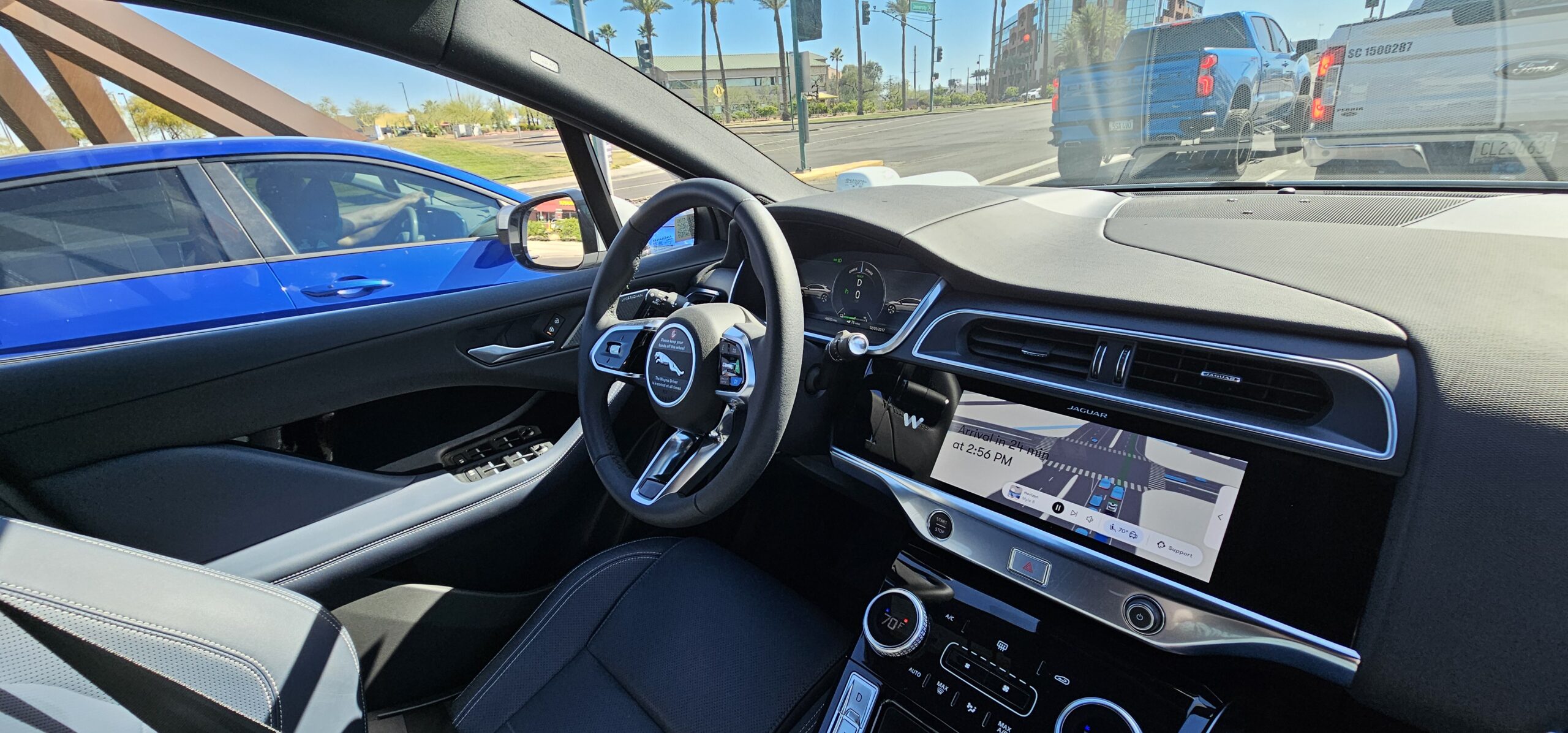
While we were in Phoenix, we used a Waymo. As it was John’s first time in one, he got the full “wow” factor straight from the airport. That reaction is easy to understand. Sitting in a car with no driver still feels rather strange for the first few minutes. The steering wheel moves, the vehicle slows for traffic, people cross the road ahead, and some part of you still expects to see someone in the front taking control. But what struck me was how quickly that feeling wore off. The ride became normal far quicker than you might expect.

That was probably why my mind drifted back to an earlier Waymo trip I had in Austin during the ANS NCSD conference. What stayed with me from both experiences was the system behaviour rather than the novelty. The vehicles were cautious in a very deliberate way. If it wasn't sure whether someone was about to cross the road, it would come to a full stop rather than force the judgement. You quickly realise that the system is operating with a different logic to a confident human driver. From a safety point of view, that caution makes complete sense, even if it does not always feel natural in the way human driving often does.

There is obviously lots of rigorous testing, measurement, and assurance that is required to get to this point, but it does highlight that this alone is not what people ultimately respond to. Trust is shaped just as much by how a system behaves in context as by how it is validated on paper.

What was just as interesting was the way people around them reacted. In Austin, at our hotel, the concierge tried to shoo one away as it pulled in, despite the fact that it had positioned itself perfectly to pick us up. That moment stuck with me because it showed that the question is not only whether the vehicle can do the job, but how people feel about it doing the job. A system may be operating properly, but that does not always mean people welcome it. In fact, some of the locals did not seem to like them at all. So the trust issue is not only technical, it is fundamentally social as well.
Trust, Behaviour and People's reactions


At the airport pick-up and drop-off in Phoenix it was very busy. Human drivers were everywhere, Waymos moved through the same space, and there was the usual airport chaos where nobody hangs around and everyone is in their own world. However, John and I both noticed that Waymos still behaved in a very algorithmic way. You could see they were making predictions about what other cars were doing, but their predictions were not human in the way an experienced taxi driver’s instincts are. There were moments when I found it was easier read the behaviour of other drivers than the system.

At the same time, our Waymo handled the situation very well. It had clear 360-degree spatial awareness, and you could see that it knew exactly where it could and couldn't fit. So although its judgement did not feel human, and although its behaviour was still recognisably algorithmic, it was still very effective. That, to me, is much more interesting than simply saying the technology is impressive. Comparing Waymo trips in Austin and Phoenix, its also clear the technology is improving, but it is improving in its own way rather than by becoming more like a "human driver".

This highlights an important point, human beings are far more complex than these systems. A good taxi driver can read tone, body language, local driving habits and all sorts of context while simultaneously having a conversation with a passenger. In many situations, a good human driver is still much better at judging what is really going on. But human beings can also be distractible, inconsistent, tired, impatient, and sometimes wrong, which is when accidents can happen. The more useful design question is what kind of trust an autonomous system should earn, and on what basis?

In Waymo’s case, trust works a little different from many other AI systems because the vehicle is not just advising you. It is acting in the world on your behalf, and everyone around it has to respond to that behaviour in real time. What people react to is not the underlying model or training data, but how the car behaves. Does it feel safe, predictable, and cautious? In other words, the challenge is not just making the system capable, but making it trustworthy.
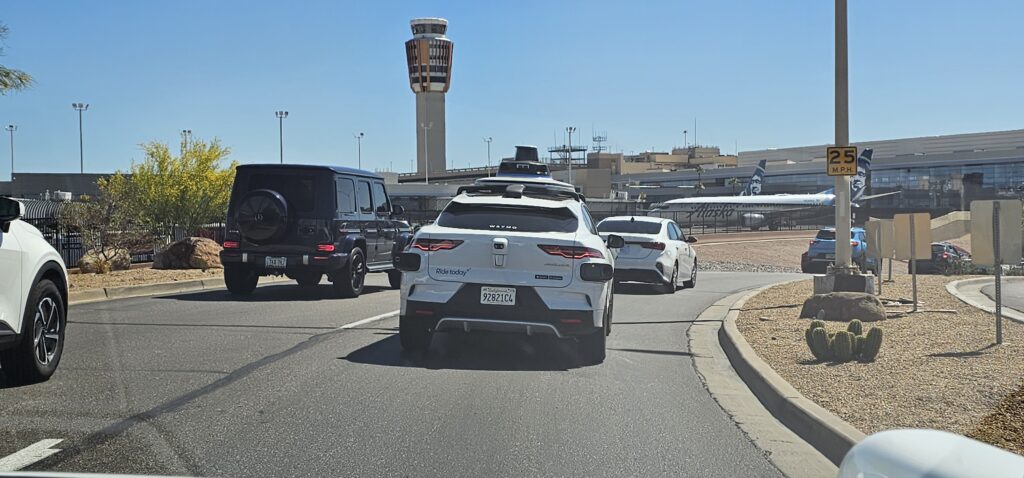
Waymo driving off on its way to pick up another passenger

Why it made me think about Cyclone Sage


That is what brought me back to Cyclone Sage. Waymo and Sage clearly do very different things. One is an autonomous system operating in the physical world, while the other is an AI assistant intended to support engineers working with MCNP. The domains are very different, and in some ways the challenge for Sage is even less tidy because an MCNP input is highly complex and open-ended. Its not a bounded control problem involving simple inputs, i.e., steering, braking, acceleration, and indicators.

Despite the obvious differences, I have found myself thinking about a related design issue, which is how you build a system for humans to use and trust without encouraging the wrong kind of trust. In the world of radiation shielding and criticality, trust matters enormously because the consequences of getting things wrong can be significant. That does not mean Sage is like an autonomous vehicle, but it does mean the mindset around safety, visibility, and responsibility has to be taken seriously.

This mindset has shaped how we are developing Cyclone Sage. The aim is not to hide complexity or replace engineering judgement with something that sounds fluent. It is to support the workflow in a way that gives engineers more time to make the right decisions. MCNP model building and QA can be slow and cognitively heavy. Input decks are text-based and fragile, and small errors in geometry, materials, sources or physics settings can have significant consequences. In practice, engineers often work from previous inputs, inherit assumptions, and spend a lot of effort in checking.
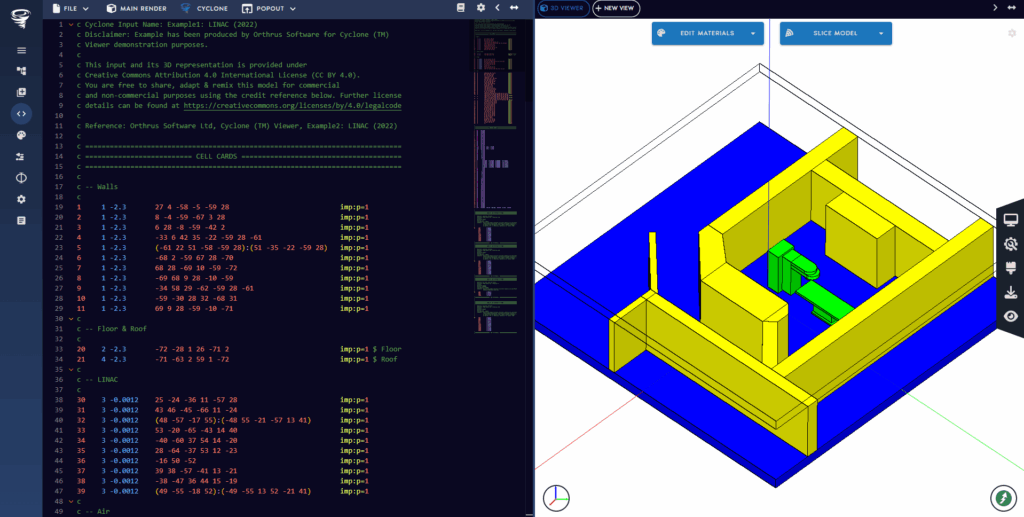
Cyclone Version 3 by Orthrus Software

Keeping the Engineer in Control


Cyclone Sage is currently being designed and built with that balance in mind, keeping human oversight firmly in view. We have not hidden the syntax from the user, and we are not treating the system as a black box. The design is built around guided authoring, visible outputs, constrained generation, and traceability, with the user remaining firmly in control rather than the system quietly taking over.

That is also why I do not see AI as a means of removing the engineer from the process. Instead, it creates space to explore broader design options, reduces set-up burden, and allows more focus on the judgements that matter. Used properly, this leads to better decisions, more efficient workflows, lower cost, and safer outcomes. However, this ultimately depends on establishing trust in the system from the outset.

So that is what riding in a Waymo brought back to me after WM2026. What became clear is that a shared design challenge is emerging across very different fields. As systems become more capable, the important question shifts away from whether they can do something impressive. It becomes about how they fit around human judgement, how they behave when the world gets messy, and what sort of trust they are really asking people to place in them.

For me, that is a far more useful way to think about AI in engineering. The goal should not be blind faith in capable systems, it should be systems that earn trust in the right way, while leaving responsibility, visibility, and judgement exactly where they should be.


If you have thoughts on this or would like to continue the conversation, feel free to get in touch.

You can email us at nuclear@cerberusnuclear.com with the subject line “Trust and AI.”

Thanks for reading.
ECSN Tour of Dounreay

Haleema recently attended the Early Careers Criticality Safety Network (ECSN) site tour of Dounreay in Scotland.

The trip included presentations about Criticality at Dounreay NRS and the history of the Dounreay Site, visits to the Waste Receipt Assay & Characterisation Super Compaction Facility, the iconic globe housing the Dounreay Fast Reactor and the attached Breeder Fuel Removal Facility. The site tour gave a real appreciation for the scale of work involved with nuclear decommissioning, with the visit showing the importance of collaboration across the nuclear sector in addressing challenges of legacy sites.

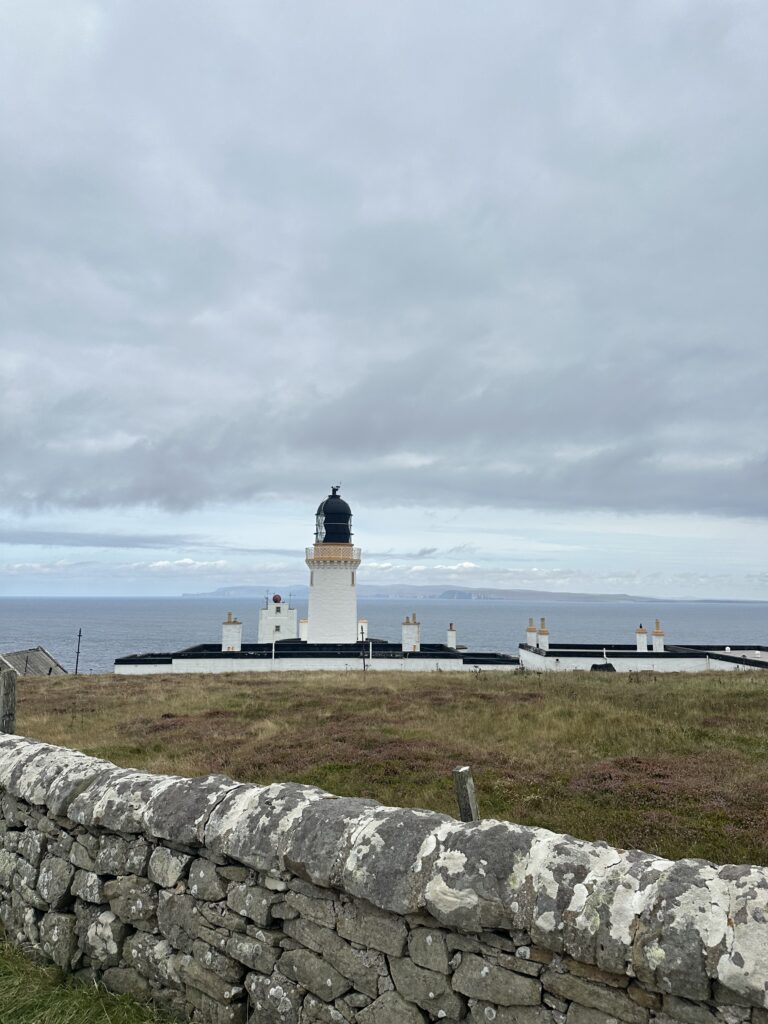
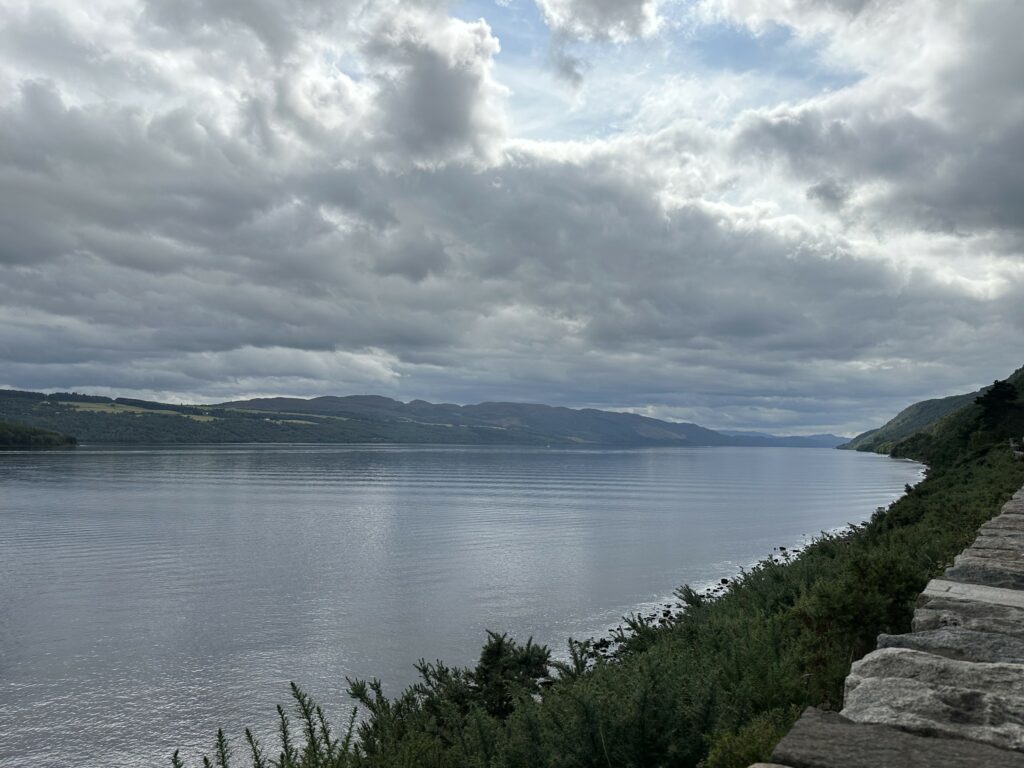
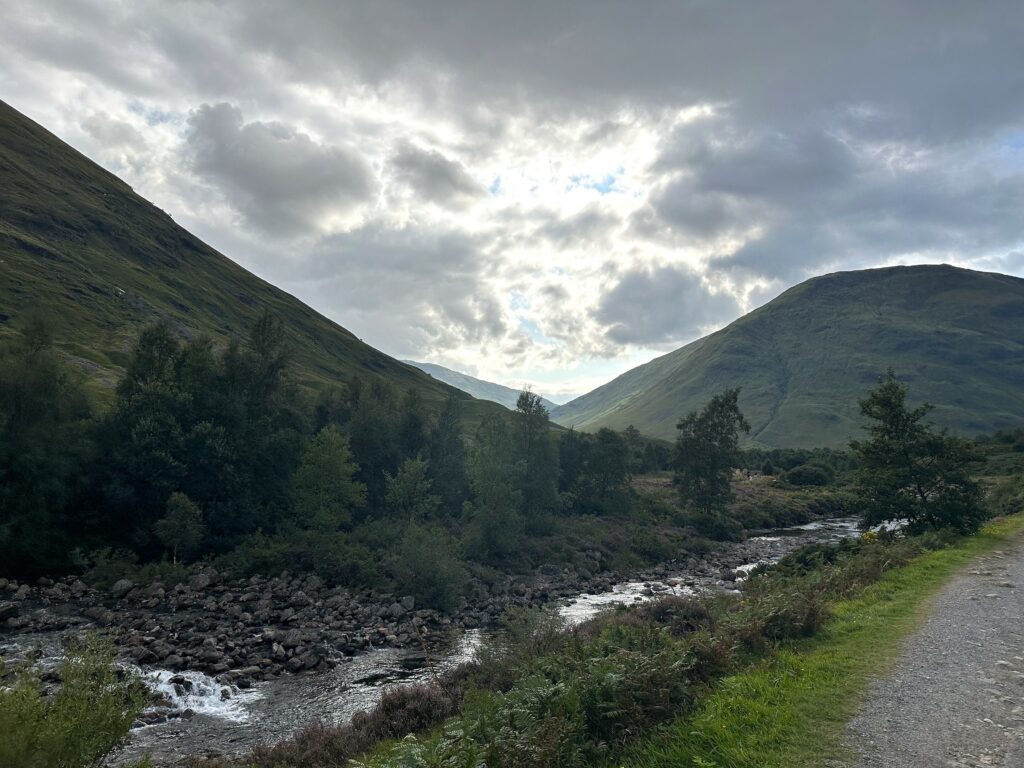
Haleema’s trip also included a road trip from the north of England to the highlands and back, she made the most of this on her return by starting at the most northern point of the mainland and then travelling down through the dramatic Scottish Highlands visiting Loch Ness (no sightings unfortunately) and Urquhart Castle, then making a stop amongst the beautiful landscapes of Glencoe and Loch Lomond before a stop in vibrant Glasgow.

OpenMC Internal Training

Last week, John Billingsley from our Radiation Shielding team ran a full-day internal training session on OpenMC - a Monte Carlo particle transport code used for simulating neutron and photon transport. 

OpenMC is a community-developed, open-source code that has gained popularity for its flexibility, active development, and integration with Python. It is widely adopted in the fusion energy sector, where its ability to perform high-fidelity simulations makes it a valuable tool for design and analysis. Increasingly, OpenMC is also being adopted in other areas of the nuclear industry as interest in modern, open-source tools continues to grow. 

The training was well attended by members of both the shielding and criticality teams and was structured as a mix of short lectures and hands-on exercises. John introduced the main concepts of building models with OpenMC, including using its Python API to define geometries and materials, set up source terms, and run transport simulations. Attendees had the chance to follow along with practical examples and try building their own models themselves throughout the day. 

The informal workshop format encouraged plenty of discussion, and it was a great opportunity for colleagues to explore how OpenMC might be applied in future projects. It was also a valuable chance for Cerberus to build upon our existing experience and expand our capabilities in the use of modern Monte Carlo transport codes. 

Thanks to John for putting together such an informative and engaging session and for helping more of the team get familiar with OpenMC. 

PTNR Industrial Lecture 2025

Cerberus Nuclear returned to the University of Birmingham to deliver an industrial lecture for the Physics and Technology of Nuclear Reactors (PTNR) masters course. Katrina, Toby, and Zac are all alumni of the PTNR course and were excited to return to campus for this presentation.

Katrina opened the presentation, introducing the students to Cerberus Nuclear and the work we do in radiation shielding, criticality safety, as well as nuclear characterisation and innovation.

Zac then discussed radiation shielding in more detail, talking to the students about the different areas of the shielding design process, the importance of these areas, and examples of how an assessment is carried out for each of these areas. The radiation shielding section of the presentation was capped off with a discussion of shielding verification techniques.

Toby delivered the criticality safety section of the lecture, engaging the students with quickfire questions about the factors affecting criticality. He also discussed his experience working as a criticality safety assessor, and introduced the students to criticality safety training resources including CARTA, Cerberus Nuclear's VR criticality training tool.

Katrina closed the presentation with a discussion of career opportunities in the nuclear industry, shining a spotlight on the Working Party on Criticality (WPC) and The Shielding Forum (TSF). It was a fantastic day and was great to catch up with Professor Paul Norman and meet the new cohort of PTNR students.

We would like to thank Paul for inviting us back and wish the current PTNR cohort the best of luck in the future!

Cerberus Nuclear Return to Support NTEC Radiation Shielding Module

Cerberus Nuclear were pleased to once again support the NTEC Radiation Shielding module at the University of Liverpool, marking another consecutive year of involvement. Our consultant, Nick Seibt, delivered a lecture on the Shielding Design Process in collaboration with The Shielding Forum (TSF), which outlined the industry’s best-practice approach to designing effective radiation shielding for facilities handling radiation sources.

We are proud to continue supporting this aspect of the course and to provide students with valuable insight into the practical challenges and considerations of shielding design in industry.

In addition, our consultant, John Billingsley, provided support throughout the day, guiding students in the use of MCNP. It was also great to see so many students working with Cyclone, a state-of-the-art MCNP model viewer developed by Orthrus Software, which significantly streamlined the modelling of the students' experimental setups. The positive feedback on its usability and impact was especially rewarding to receive.

A big thank you to Professor Andy Boston and the NTEC course team for inviting us back again this year. We look forward to continuing our support in the future.

WPC Workshop on Criticality Safety Assessment Methods

Cerberus Nuclear recently attended the WPC Workshop on Criticality Safety Assessment Methods, which brought together nuclear industry experts, regulators, and professionals to discuss criticality methodology. The event was hosted at the Pride Park Stadium in Derby and focused on regulatory perspectives, foundational methodologies, and practical applications relevant to the nuclear sector.

The workshop began with the regulatory bodies emphasising aligning safety assessments with evolving nuclear standards and maintaining a proactive approach to risk management through early engagement. It was followed by a series of presentation on different Safety Assessment Methods including Design Basis Analysis (DBA), Design Basis Accident Analysis (DBAA) and Double contingency Principle (DCP). Test case assessment methods were presented. A consideration of conditioning factors applied to Initiating Event Frequency within DBA methodology was introduced, as well as a systematic approach to the analysis of double fault methodology within DBA. The workshop concluded with an introduction to Barrier Analysis and Transport Safety Assessment and a relevant exercise.

In conclusion, the workshop highlighted the importance of collaboration among regulators, designers, and operational teams within the nuclear industry, with case studies showcasing effective cross-disciplinary solutions. We would like to thank Rolls Royce for hosting the event and the WPC for organising the workshop.

Cerberus Trip to the Black Country Museum

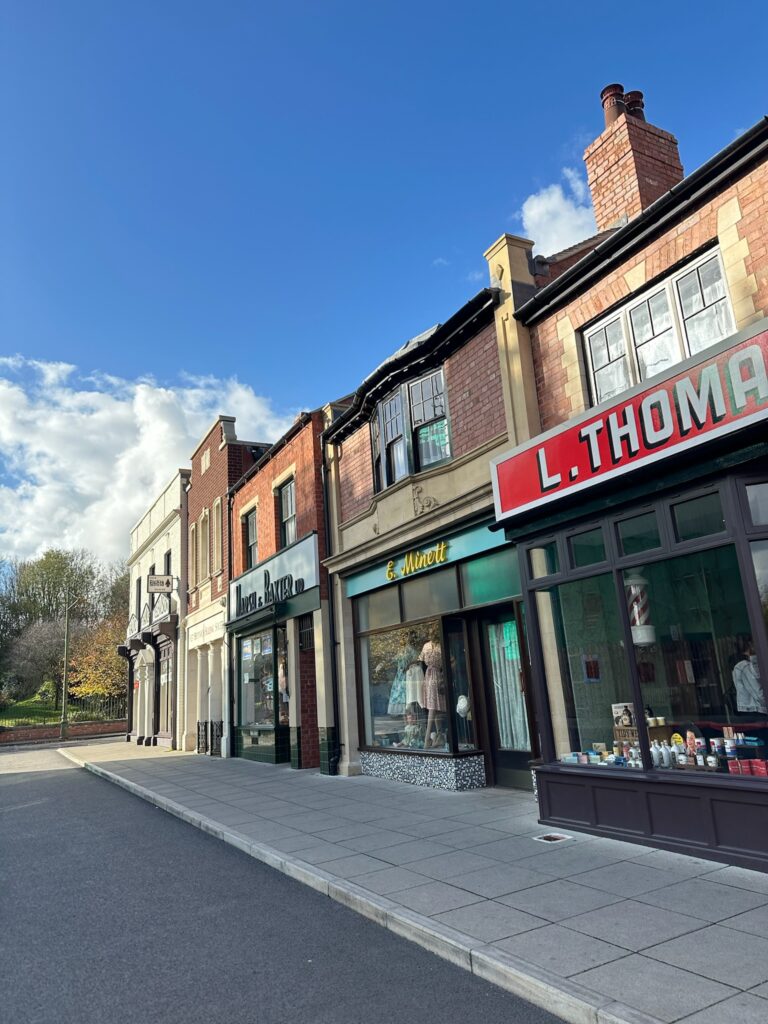
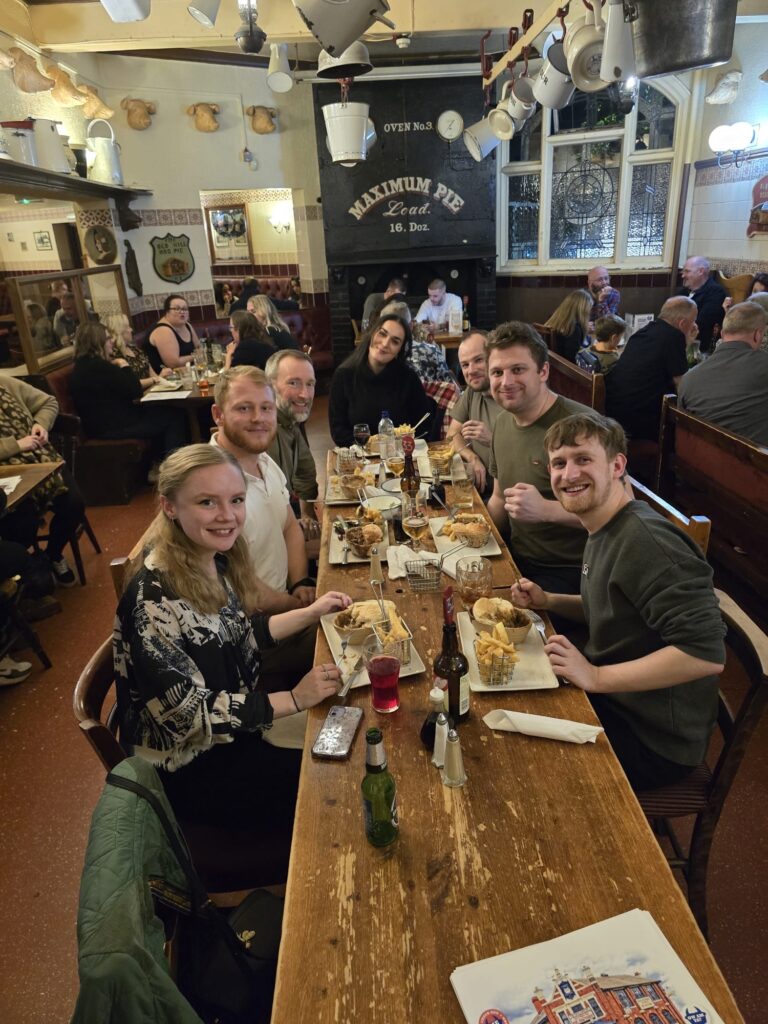
A small group from Cerberus Nuclear recently took a trip to the Black Country Living Museum, an award-winning open air museum set across 26 acres in the heart of the Black Country. They had a fantastic day exploring over 250 years of history and treating themselves to lots of chips!

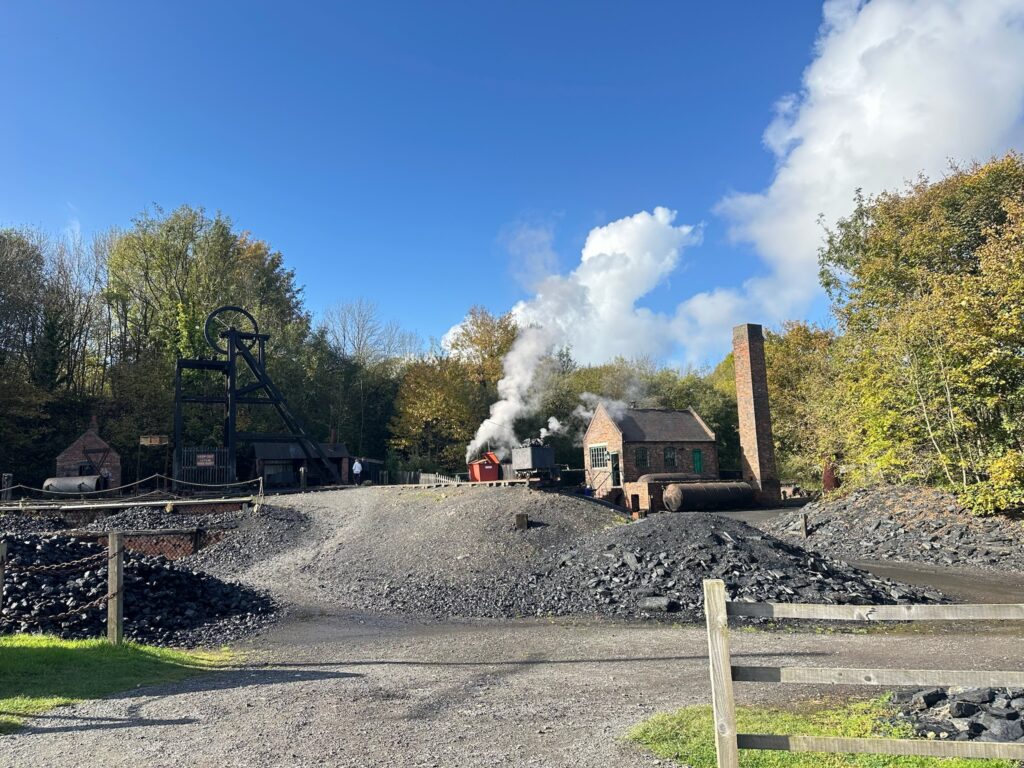
The day started off with a fascinating tour of a 19th century drift mine with incredibly low ceilings and only the equivalent of candlelight to guide them through the darkness. They were given a rundown of various roles within the mine and the treacherous conditions people had to work in.

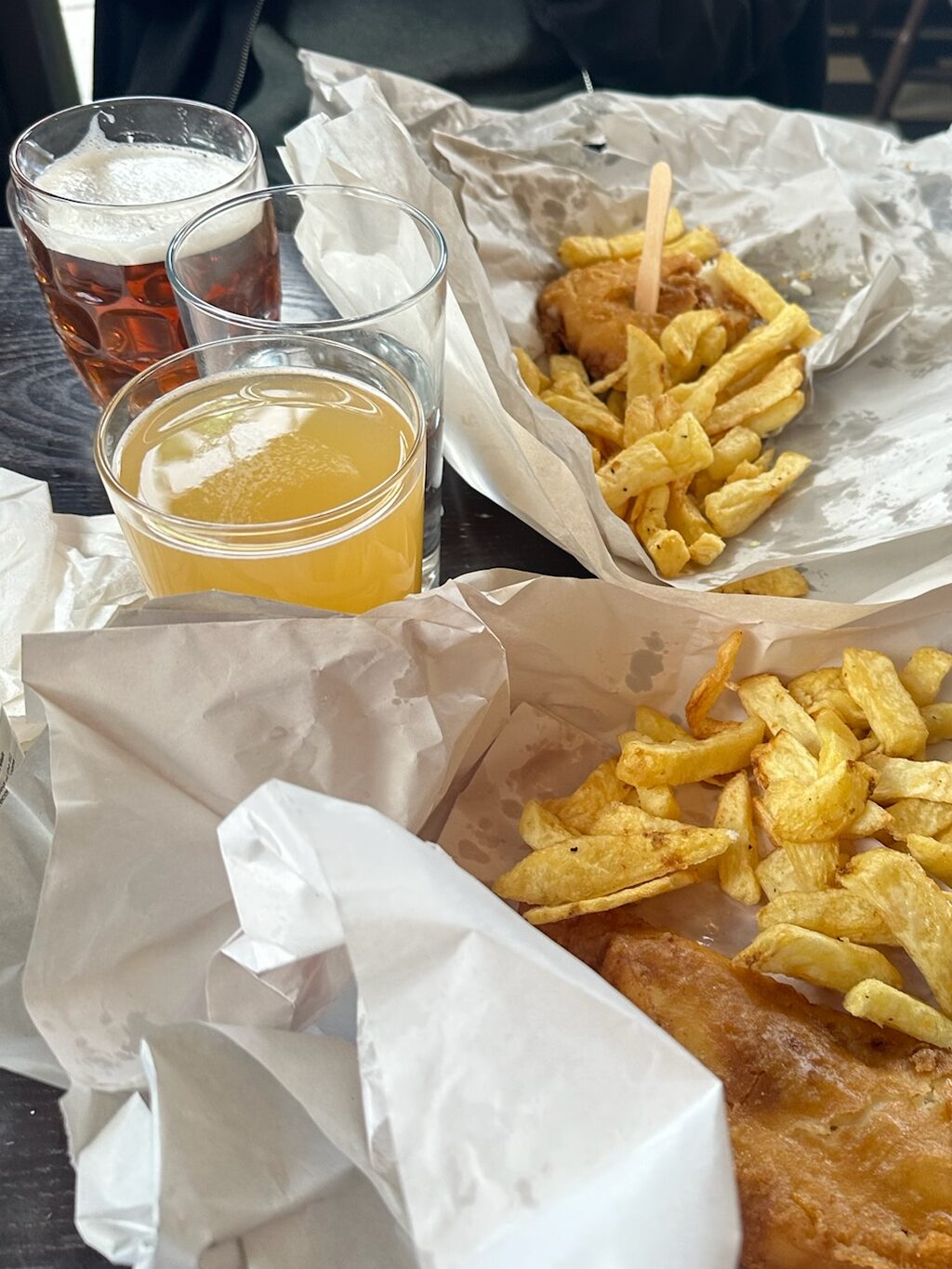
This experience left the group a bit peckish so they got themselves some world famous fish and chips and set up base in the Elephant and Castle pub located within the grounds of the museum.

Following this little pit stop, they took part in an authentic school experience. This included practising their times tables and reciting the alphabet, as well as receiving some outdated forms of punishment if they misbehaved.

They rounded off their exciting day out with a trip to Mad O'Rourkes Pie Factory, where they enjoyed even more chips and some outstanding pies! It was a very successful trip and a great opportunity for the team to spend some quality time together outside of the office.

First Aid Training

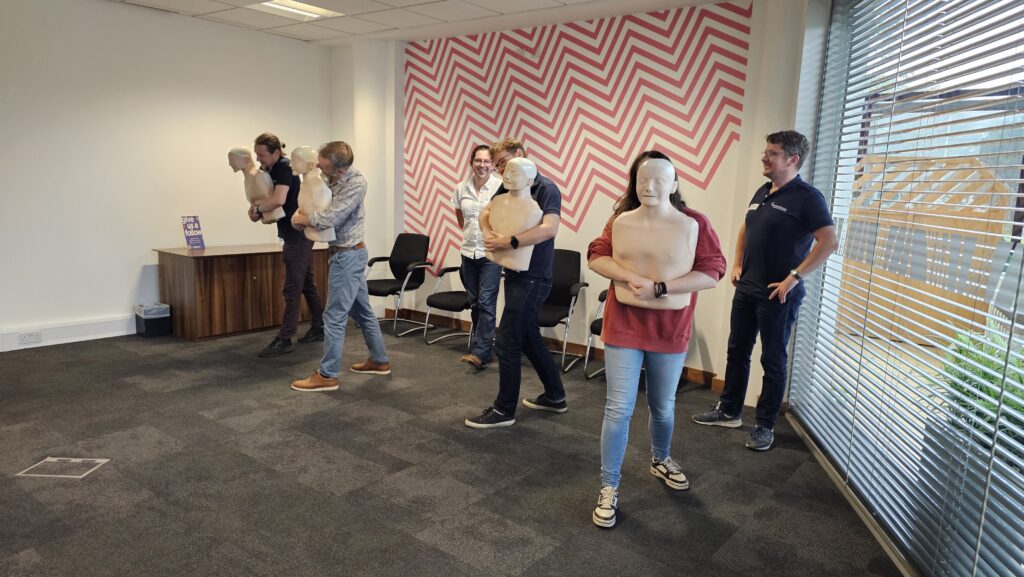
Cerberus Nuclear recently took part in First Aid Training delivered by the team at St. John Ambulance.

Debbie took the team through the training for the "Emergency First Aid at Work" certificate, in what was an interesting and engaging day. Training covered a range of areas such as the use of first aid kits, health & safety regulations, how to remain safe, and active skills someone may need to be an effective first aider. These included situations such a choking, severe bleeding, shock, unresponsiveness, and someone not breathing.

The training was received very positively by the team, with first time first aiders and those renewing their training learning from the most up-to-date recommendations and advice. Many thanks to Debbie and the team from St John Ambulance for the day and we would highly recommend the course to other organisations.

Tour of INTA Technology Campus

Earlier this year, our Radiation Shielding Consultants John, Sam, and Zac visited INTA, the National Institute for Aerospace Technologies in Madrid while attending a FLUKA.CERN course.

They had the opportunity to tour multiple areas of the INTA campus and learn from experts working at the cutting edge of the international aerospace industry.

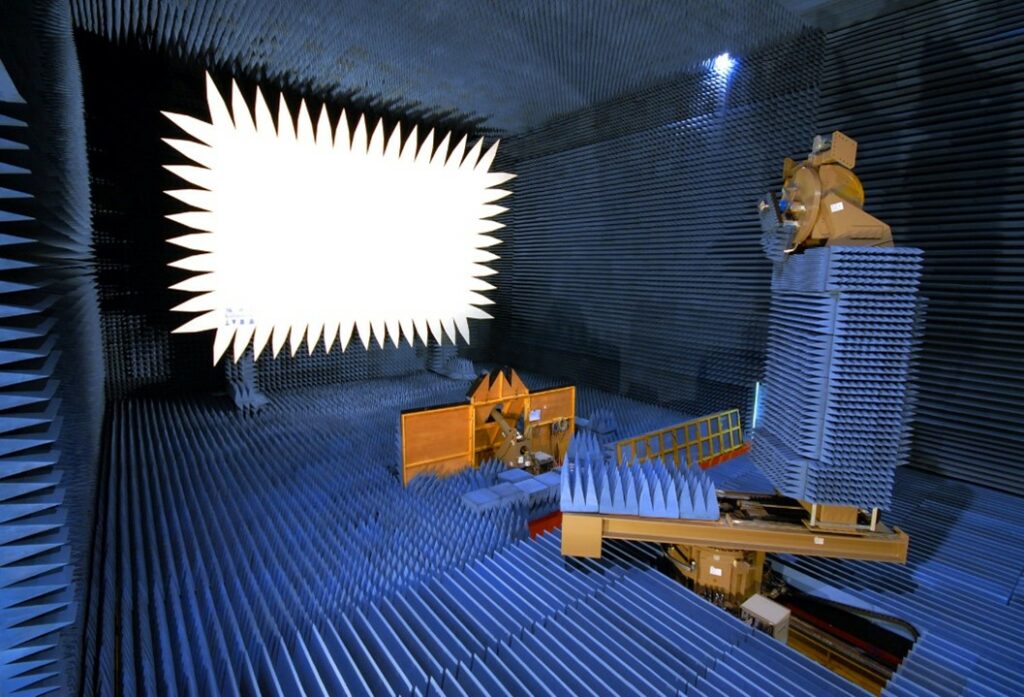
They visited an anechoic chamber where satellites and aircraft undergo a variety of tests. This includes but is not limited to the study of electromagnetic absorption measurements of materials, electromagnetic characterisation of materials in free space, and measurements of the effect of coatings on radiation or scatter patterns.

Credit: INTA Website

They were also shown round the turbojet test centre (picture at the top of the article), where engines are put through rigorous testing to ensure they are suitable for commercial use.

Finally, they explored the astrobiology department and received a lecture on the history of our solar system, as well as some exciting updates regarding ongoing projects at INTA.

Thanks to all those at INTA for providing these opportunities for our team while they were visiting for the FLUKA.CERN course.

Cerberus Nuclear have consolidated our capabilities in a broad range of high energy physics disciplines through our access to the FLUKA code. We are excited to have the opportunity to use FLUKA as a key tool in a variety of projects across the industry.

YGN Introduction to Safety Case, Criticality and Shielding Seminar

For the second year running, Cerberus Nuclear have sponsored the Nuclear Institute (NI) Young Generation Network (YGN) “Introduction to Safety Case, Criticality and Shielding” seminar. This is one of a series of “Intro to” events which aims to give YGN members and early career professionals a valuable insight into different specialisms within the nuclear industry. 

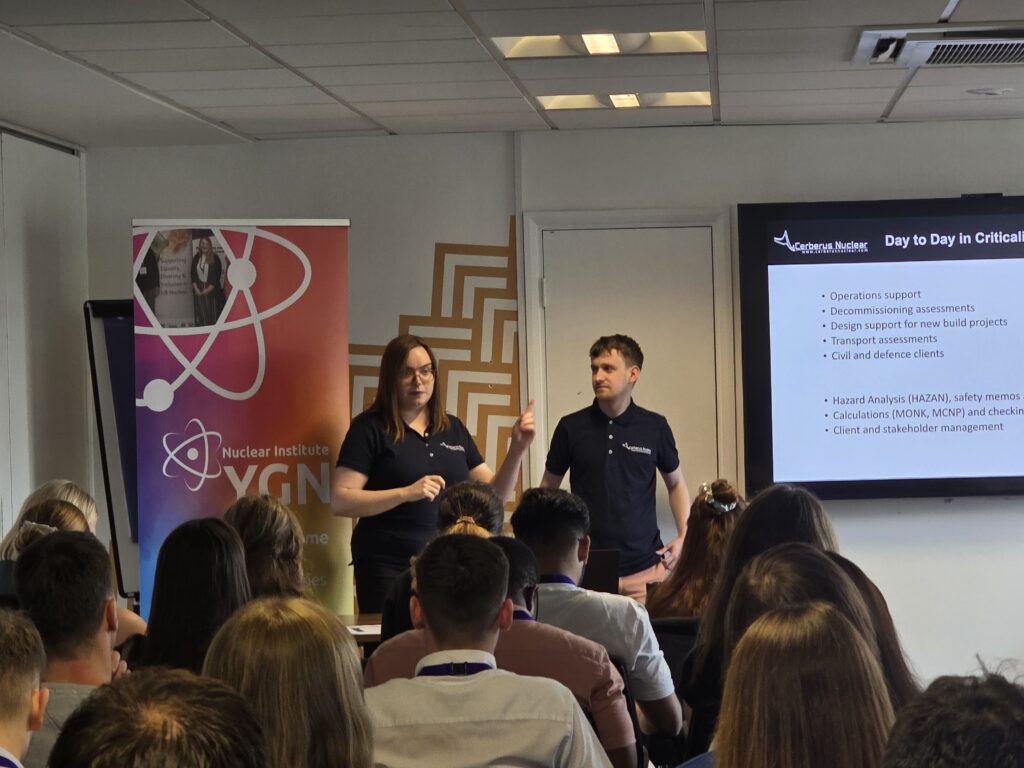
The day featured an array of talks covering topics on radiation safety assessment, safety case procedure, shielding and criticality, and the Cerberus Nuclear team were involved throughout the day! Tom, a Cerberus Nuclear director, started the day with an introduction to our company history and capability. Daniel gave a lecture on what a criticality is, covering the underlying physics and the factors affecting criticality. Sarah and Zac gave an overview of interesting applications of both criticality and shielding that Cerberus has been involved in. This showcased our virtual reality criticality training tool CARTA, our recent Game Changers project for Sellafield Ltd in collaboration with Jacobs, development work in shielding for fusion reactors and previous shielding verification work.  

The day concluded with a Q&A panel, with Sarah and Tom helping the panellists to provide insight and advice on careers in criticality, shielding and safety cases. There was plenty of opportunity for discussions with delegates, who all had very thoughtful and inquisitive questions and we also had some exciting networking conversations with the other speakers, so expect upcoming collaborations and future events!

Thank you to Ellie Ford and the NI YGN for organising a successful event!